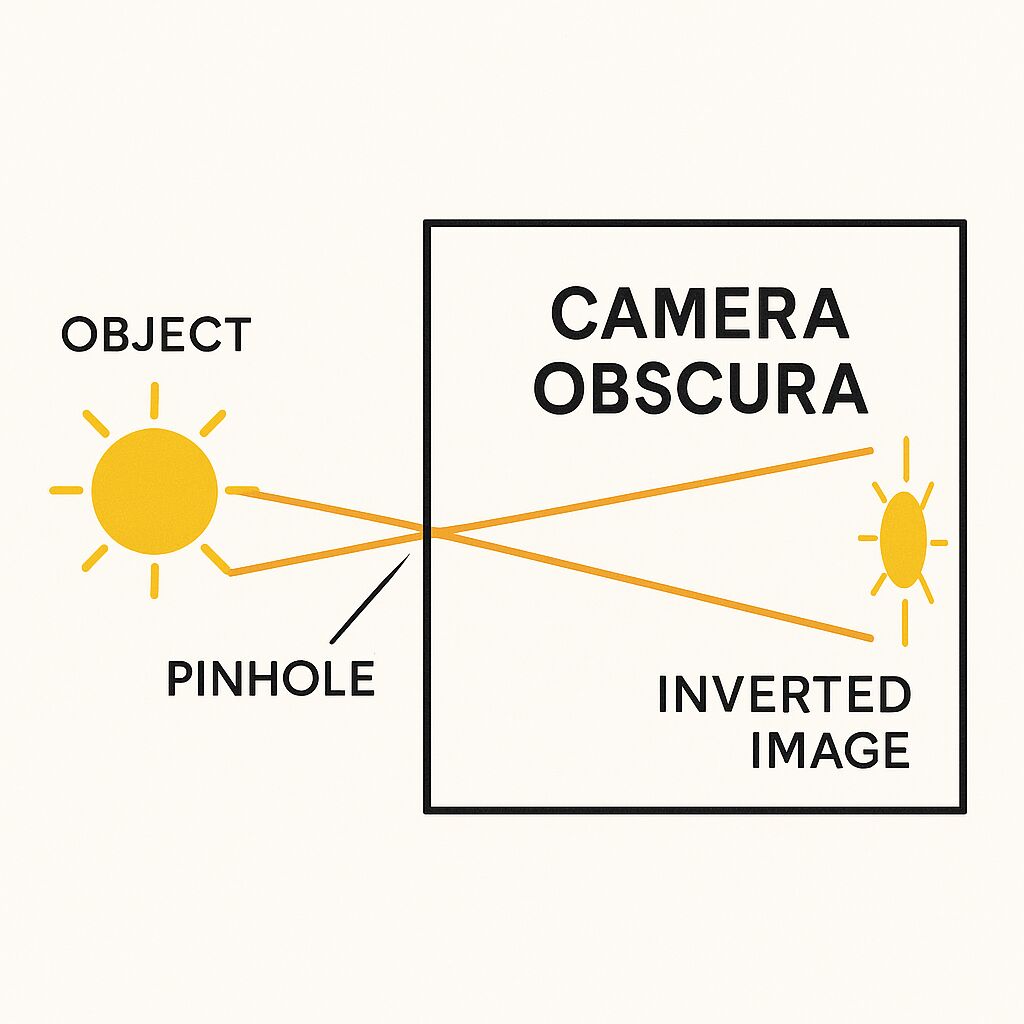
I still remember the first time I stepped into a camera obscura. Not the kind built into a museum with clean lines and well-behaved shadows, but a makeshift one—something improvised out of necessity and curiosity. It was in an abandoned shed behind my grandfather’s house, a place meant for tools and leftover wood, not revelation. The air smelled of dust and time. The windows were blocked with cardboard, and a single pinhole—punched with the tip of a rusted nail—let the daylight tremble its way inside. I didn’t know what to expect, and maybe that was the gift. Because when the image appeared, inverted and shy upon the far wall, I felt as though I had stumbled into the world’s oldest secret.
The trees outside swayed upside down, as if gravity itself had turned contemplative. The sky hovered near the floor. A bird drifted past, its silhouette floating like a slow confession. It was as though the world had paused at the threshold of that tiny hole, taken a breath, and whispered itself into the dimness.
In that moment, I realized that photography did not begin with film, or chemistry, or even mechanics. It began with light entering darkness, with a room willing itself to become a witness. The camera obscura wasn’t invented so much as it was discovered—an inevitable consequence of light’s nature, a quiet truth waiting for someone patient enough to notice.
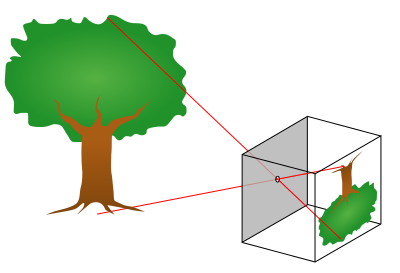
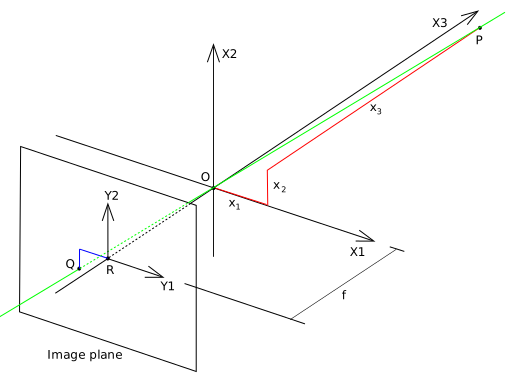
And perhaps that is what moves me still: the way a simple phenomenon can contain centuries of wonder, carrying within it the earliest heartbeat of the photographic imagination.
People often think of the camera obscura as a relic, something primitive or obsolete, but I see it as the soul of photography—the place where the craft first learned what it meant to look, and to translate seeing into something that could be shared.
For as long as there have been curious minds, there have been darkened rooms with small openings. Around 400 BCE, philosophers in ancient China described an inverted image appearing through a pinhole. Later, Aristotle noticed sunlight slipping through gaps between leaves, painting small, round suns on the ground. These early hints were not explanations; they were invitations. Eventually, thinkers like Alhazen, a scholar of light and vision in the medieval Islamic world, approached the phenomenon with clarity and precision. He understood that light traveled in straight lines, that the image reversed because the rays crossed paths at the opening—insights that made the camera obscura not just a spectacle but a foundation.
Still, I imagine those early experiments not as moments of triumph, but as quiet revelations. Someone sits in a shadowed room. A beam of light enters. The world appears—diminished, delicate, yet astonishingly accurate. It must have felt like a conversation with something larger than oneself, a dialogue with the invisible laws that shape reality.
There is something profoundly human about wanting to hold onto what we see. The camera obscura made that longing visible long before it made it possible. Artists in the Renaissance used its projections to trace landscapes and architectures with newfound precision. Explorers carried portable versions—sometimes little more than wooden boxes—so they could pin down the unreliable memories of distant horizons. And as lenses and mirrors were added, the image brightened, sharpened, gained intention. But it was always the same idea at its core: a dark space, a point of light, and the world revealing itself gently inside.
Whenever I think of it, I imagine how a painter must have felt, kneeling before the glowing outline of a cathedral, or a winding coastline, or a portrait slowly blooming on the interior wall of a box. The image wasn’t captured—not yet. It was ephemeral, a visitor made of light. You couldn’t keep it, only follow its lines before it dissolved back into brightness. And maybe that ephemeral nature made it more precious, like catching a reflection in water just before the surface breaks.
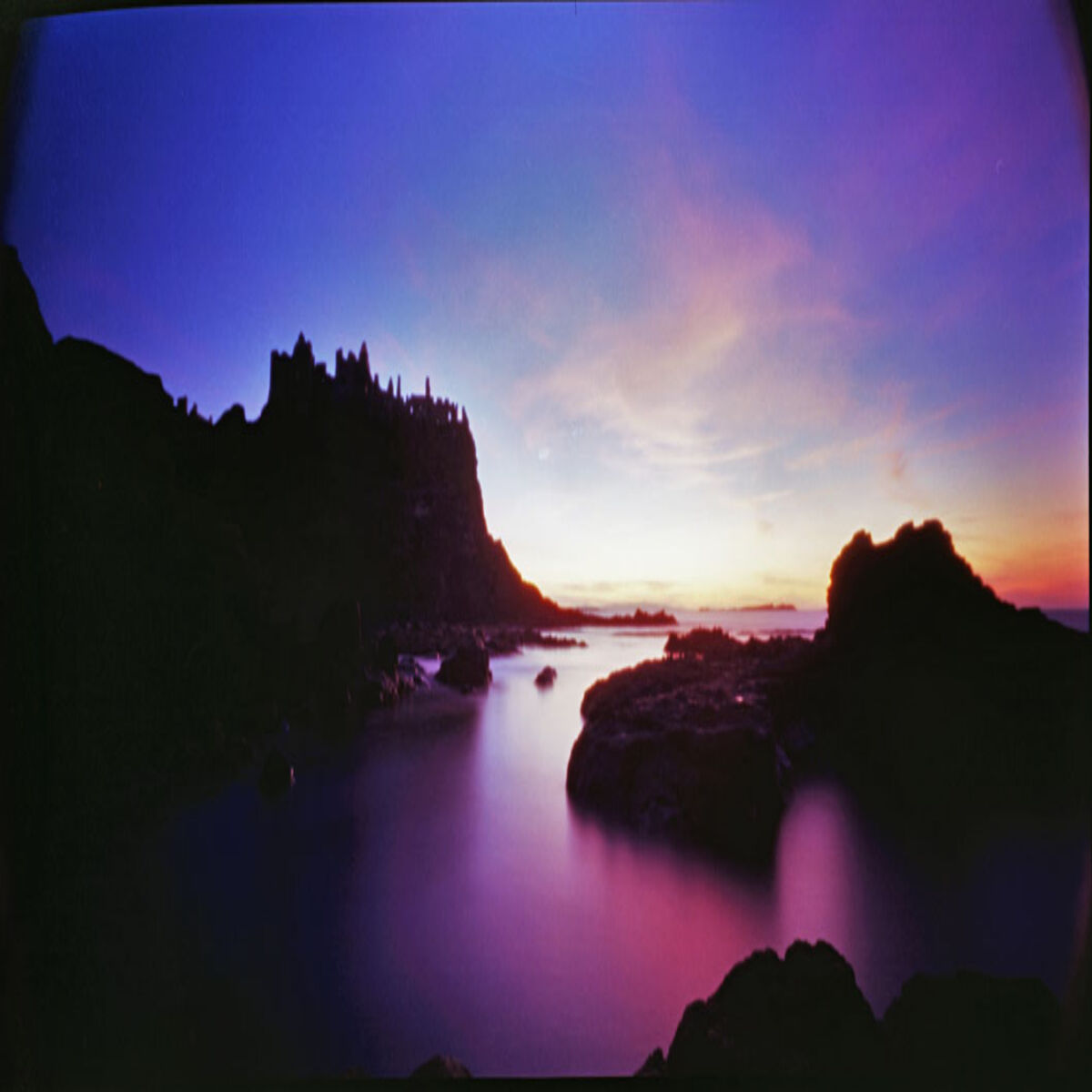
There is a kind of honesty in the camera obscura that modern devices sometimes obscure. Digital sensors give us control, immediacy, mastery. But the camera obscura offers a different gift: surrender. It teaches you to accept the world as it arrives, inverted and imperfect yet faithful. It slows you down. It asks you to sit in the dimness and simply watch.
I often think that if every photographer spent one afternoon inside a camera obscura, their relationship with light would change forever. You begin to understand how patient light is, how quietly it works, how faithfully it carries the shape of things wherever it goes. You realize that the world is always painting itself—you only need to offer a surface willing to receive the image.
There is a tenderness in that realization, a recognition that photography is less about command and more about invitation. The camera obscura doesn’t impose itself on reality; it opens itself to it. It allows the world to wander in, unhurried, unfiltered, uncorrected.
And in that simplicity lies an entire philosophy of seeing.
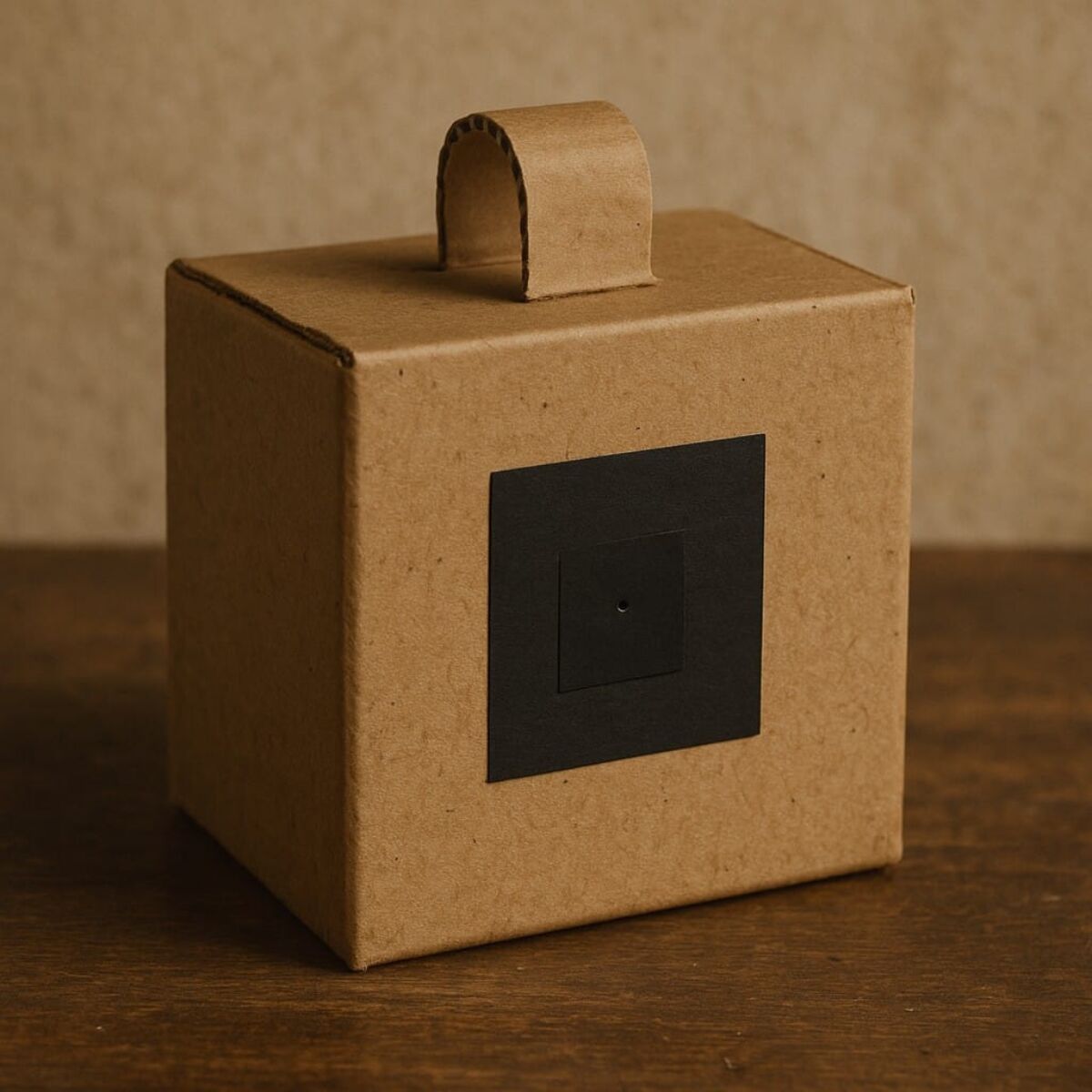
The first time I tried building a pinhole camera of my own—a direct descendant of the camera obscura—I remember feeling both foolish and hopeful. Using cardboard and tape, I crafted a little chamber of darkness, punched a pin-sized opening, and loaded it with a single piece of photographic paper. I felt like I was participating in something ancient, repeating a gesture made by hands centuries before mine. When I finally developed the paper and saw the faint, ghostlike image emerge, I understood something essential: photography is not about precision; it is about participation. The world gives, and you meet it halfway.
The camera obscura reminds us that photography began not with technology but with wonder. Every pixel, every frame, every immaculate digital exposure traces its lineage back to that trembling projection on a wall in a shadowed room. Every modern camera is a more elaborate version of the same simple truth: light reveals what darkness allows.
When I walk through cities now, or stand in open fields, or sit near a window on a quiet afternoon, I sometimes imagine how the scene would appear inside a camera obscura. Upside down, softened, delicate. A reminder that what we see is never the whole story—only one orientation of it. There is always another way the world might look, another angle from which the truth unfolds.
That, perhaps, is the most beautiful legacy of the camera obscura: it teaches humility. It teaches curiosity. It teaches that seeing is not passive but participatory, that the world is not waiting to be captured but waiting to be noticed.
Even today, in an age where images multiply endlessly, where phones carry more optical power than early photographic laboratories, the camera obscura still stands quietly at the beginning of everything—simple, unassuming, infinitely profound. A room where light dreams. A space where vision begins.
Photography owes its existence to that small, miraculous pinhole—an opening through which light told its first story. And in that story is the reminder that sometimes the most extraordinary things begin with darkness, a little patience, and a willingness to let the world write itself onto your walls.
In the end, the camera obscura is not just a device. It is a lesson. It is a metaphor. It is a way of understanding that images are not taken—they are received. And if we are gentle enough, quiet enough, and curious enough, the world will continue to offer itself through even the smallest openings.

- Panasonic LUMIX 40mm f/2 S Lens and S9 Special Edition Announced at NAB 2026 - April 21, 2026
- How to Shoot Alone Without Losing Motivation - April 14, 2026
- How “Community” Became a Marketing Strategy - February 15, 2026