It is easy to believe that concern about manipulated pictures began in our own time. Many people blame software, filters, or machine learning for turning photographs into something that can be bent or twisted without effort. But the fear is much older. Photographers and viewers started debating honesty in images almost as soon as cameras left the hands of inventors and entered the hands of ordinary people.
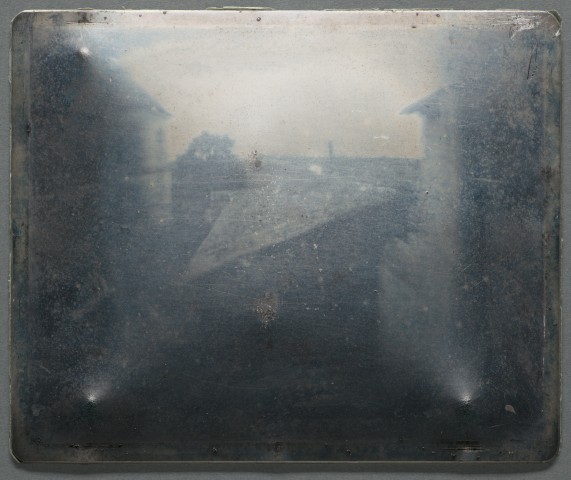
In the nineteenth century photography felt like both a marvel and a mystery. People sat in front of large cameras with metal plates and took portraits that felt close to magic. But even in this early period photographers were already experimenting with illusions. They played with exposure, blended plates to bring together scenes that never existed, and built small stories by arranging objects in ways that would fool or delight the viewer. Ghostly figures drifted through spirit photographs. Decapitated heads appeared balanced on laps. Sometimes families knew it was a trick. Other times they believed the ghostly blur really was a loved one returning for a visit.
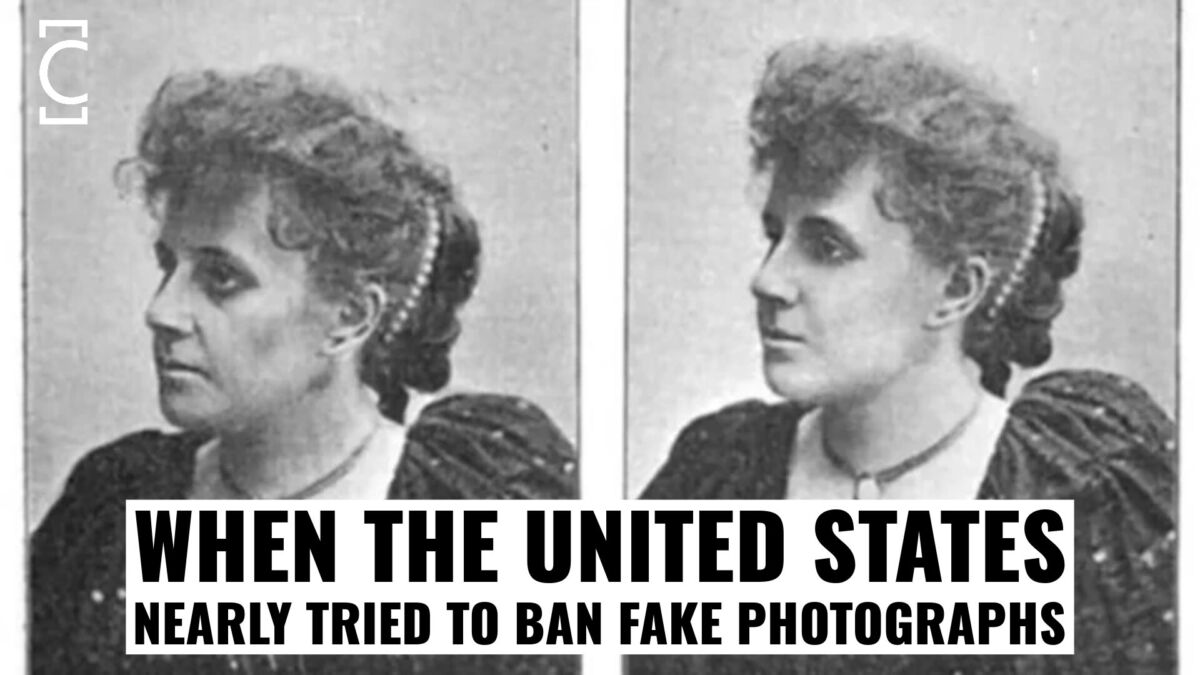
These early tricks planted a seed of doubt. If a camera could show something that looked real but was not, then how far could a photographer push that line. As portrait studios spread through cities and towns, retouching became part of the daily craft. A studio might brighten eyes, smooth wrinkles, or narrow a waist with the gentle scrape of a tool across a negative. Customers often asked for it. They wanted to look their best. But with every adjustment the belief that a photograph spoke only truth grew weaker.
By the time the new century arrived newspapers were already warning the public. Writers pointed out that cameras had gained a reputation for honesty, yet that honesty was being chipped away by skilled hands working in darkrooms. Editors told readers that photographs were being shaped to please the client rather than to reflect the world. Some even worried that the public would lose faith in images altogether if the trend continued.
Alongside these public warnings came reports of photographs used for darker purposes. Cases of blackmail began to surface. In some cities criminals created forged indecent pictures of wealthy families and used them to demand money. In other cases they blended negatives to make a person appear in a place they had never visited. These stories spread quickly and gave a new edge to the argument. If a fake image could ruin someone’s life, then perhaps there should be rules to protect the innocent.
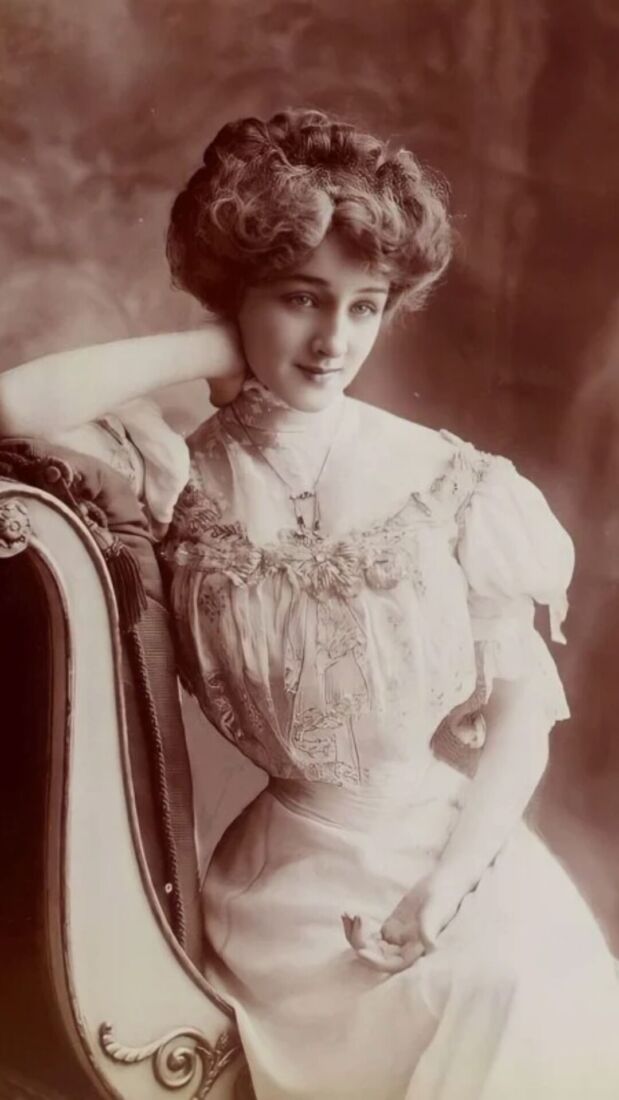
The issue became impossible to ignore when it reached Washington. In the early nineteen hundreds novelty shops in the capital had started selling souvenir photographs that placed tourists next to President William Taft. The pictures were meant as light hearted keepsakes. Families loved bringing them home. But federal officials felt uneasy. They worried that the president’s image was being misused, even though the intention was harmless. A government attorney eventually ordered the shops to stop. When the business owners asked the White House to reconsider, the request was denied. The operation closed, and the simple souvenir suddenly became part of a larger national conversation.
The following year the concern deepened. Authorities discovered a doctored photograph of President Taft in the belongings of a man wanted for human trafficking. Reports said he used the fake image to gain trust and convince victims that he held powerful connections. Once this story reached Washington the matter could no longer be treated as a novelty. It became an urgent question about safety and deception.
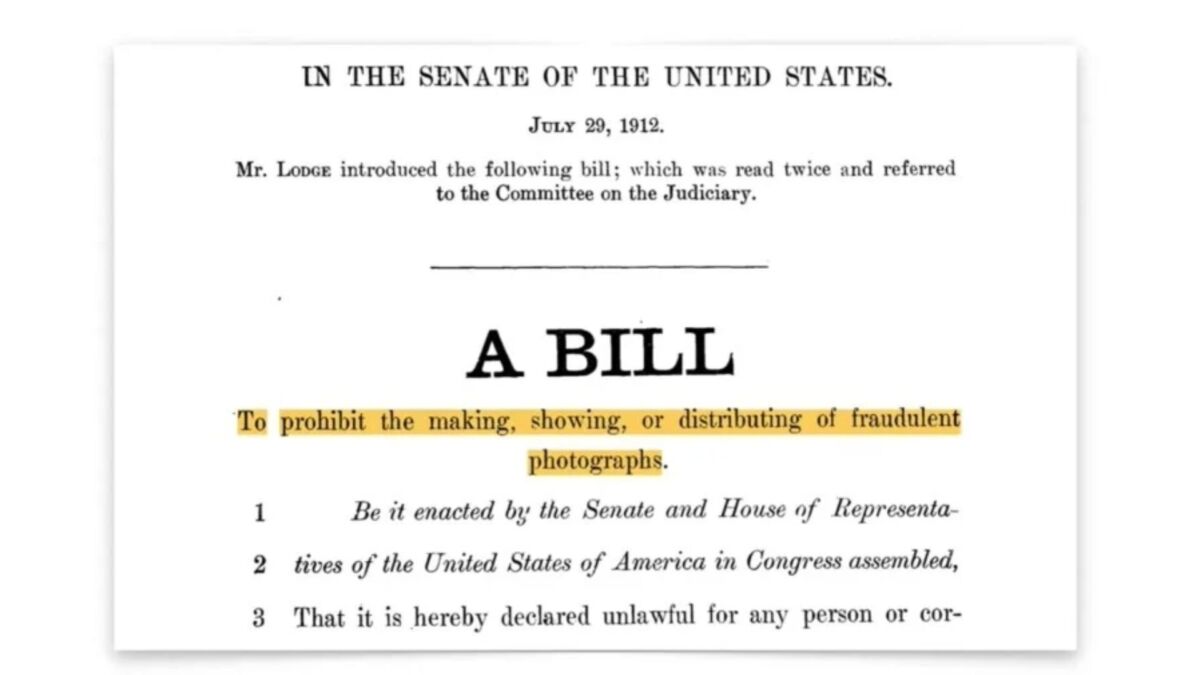
At this point the Justice Department drafted a proposal that would attempt to control the spread of fake photographs. Senator Henry Cabot Lodge agreed to support it. According to accounts from that time he had received an altered image of himself standing beside a person he had never met, which left him troubled. On a summer day in nineteen twelve he presented a bill that would make it a crime to create or distribute an untrue photograph of any person without their permission. Violators could face months in jail or a heavy fine. Newspapers all over the country covered the announcement. Some praised it, calling fake photographs a miserable business that needed proper limits. They described photography as a beautiful art that deserved to be protected from abuse.
But many in the photography community disagreed. They feared that normal editing would suddenly become dangerous. A simple adjustment meant to improve light or remove dust might accidentally fall under the new rule. Photographers argued that the bill was too broad and might encourage lawsuits that could hurt honest professionals. A few publications even said the plan would open the door to blackmail, because angry clients could claim harm from any small change.
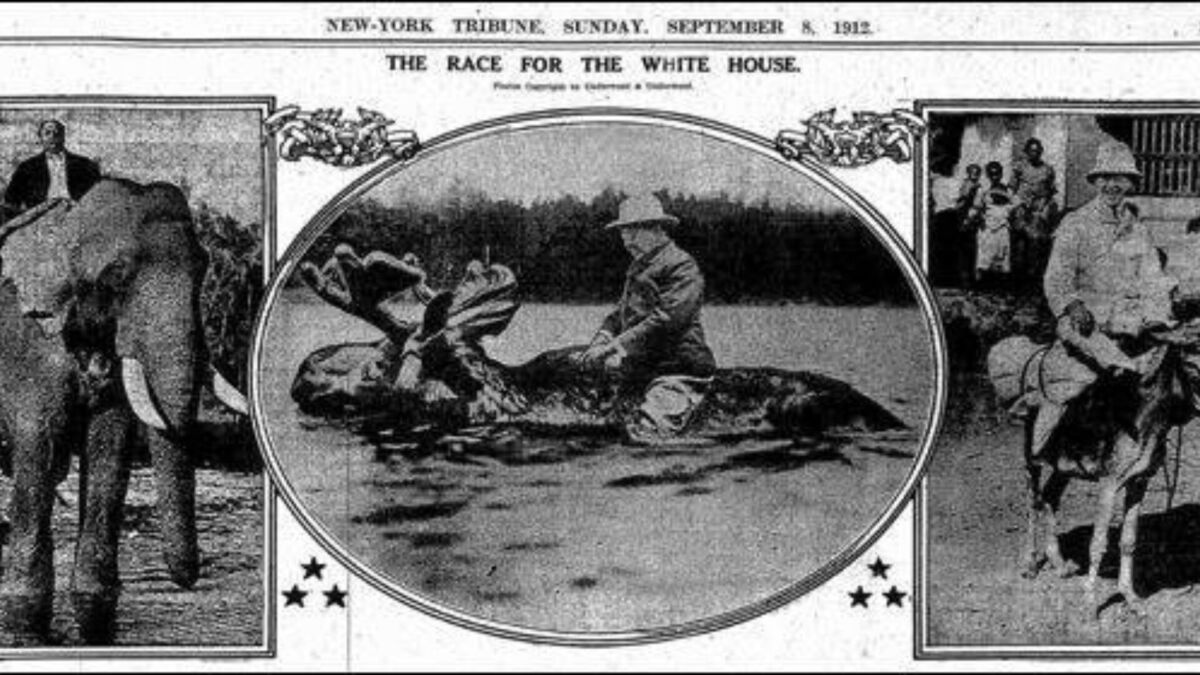
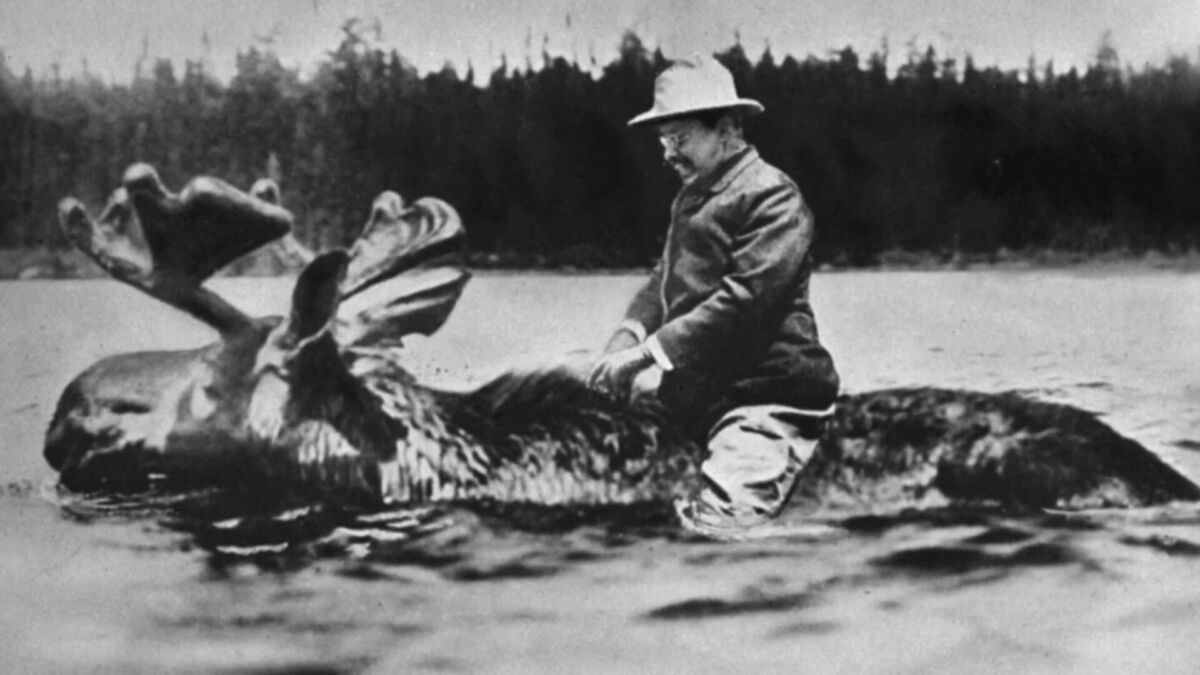
The argument reached its highest point just two months before the presidential election of that same year. A newspaper published three playful photographs that showed the candidates riding animals associated with their political parties. The images were jokes. Everyone understood they were made in good fun. But they also reminded people just how easy it was to bend a photograph into something that never happened. If harmless humor could look that real, then dangerous lies could look even more convincing.
In the end the bill faded from attention. It was discussed, debated, and then quietly abandoned. It never turned into law and slipped into history as a curious moment when the country nearly tried to legislate honesty in photographs.
Looking back now the entire episode feels strangely familiar. We live in a time when technology can change an image with a few taps or commands. People argue about what is real and what is false every day. Yet the United States asked these same questions more than a hundred years ago. That old debate shows that our fear is not new. The tools have changed but the human worry has stayed the same. A photograph is powerful because it looks like truth. When that truth becomes flexible, even slightly, people react with alarm.
The story of the nineteen twelve proposal reminds us that every generation struggles with the same feeling. We want pictures to reflect the world as it is, yet we also want photographs that flatter us, entertain us, and sometimes allow us to escape reality. Photographers sit in the middle of this tension, shaping light and shadow while carrying the weight of public trust.
The bill that never passed has faded from memory, but its spirit still hangs over the conversations we have today. It stands as proof that the worry about fake images has been with us since the earliest days of photography. And it reminds us that every time we look at a picture, whether old or new, the same quiet question rises in the back of the mind. Is this real, or is this something someone wanted me to believe.