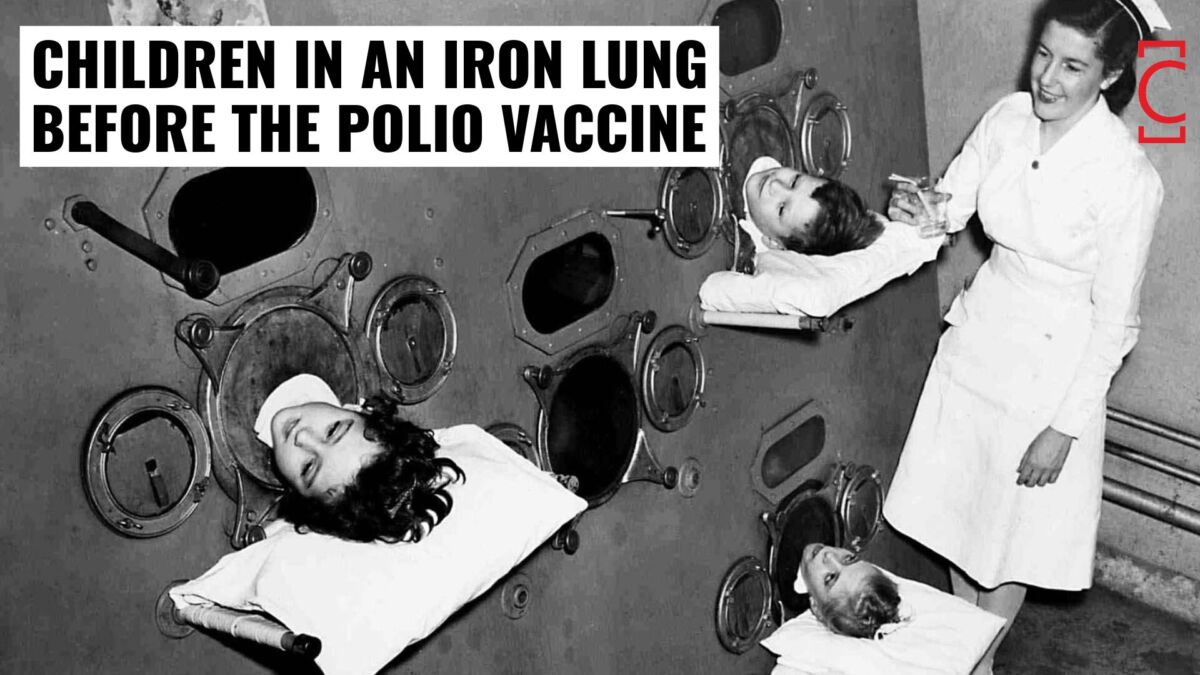
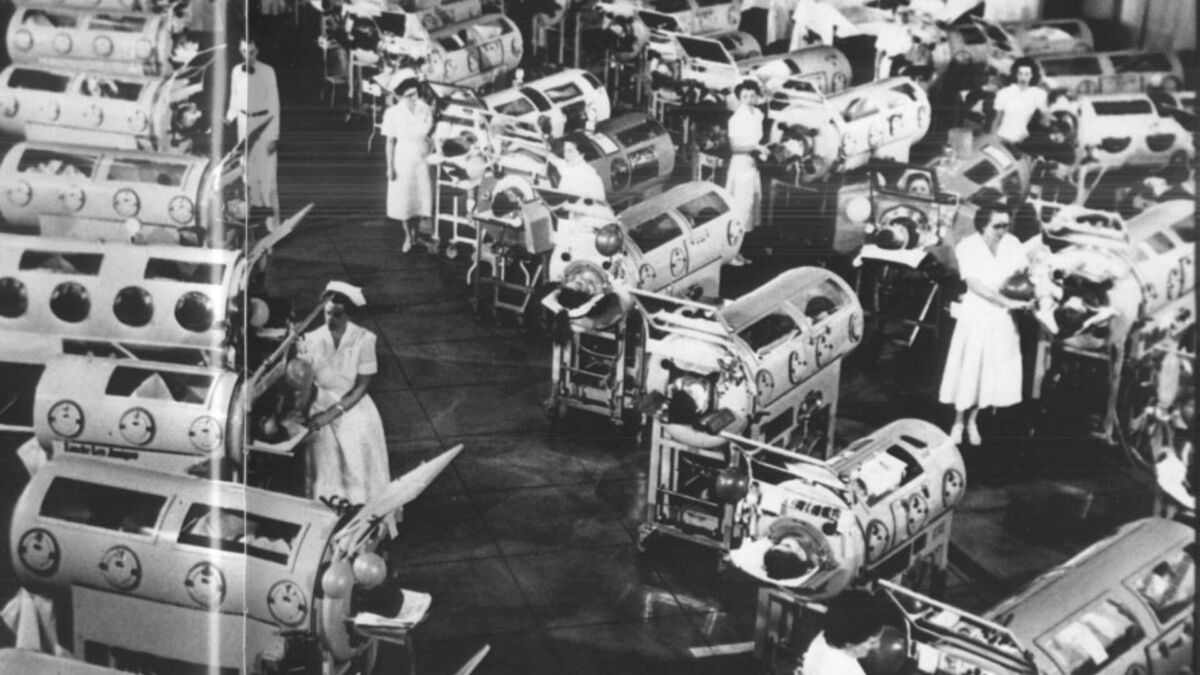
In the early 1950s, hospitals across many countries had rooms filled with rows of iron lungs. A multi person ventilator from that time looked almost unreal. The machines were long metal cylinders with small openings for a child’s head, and every few seconds the walls moved with a steady rhythm that kept the children alive.
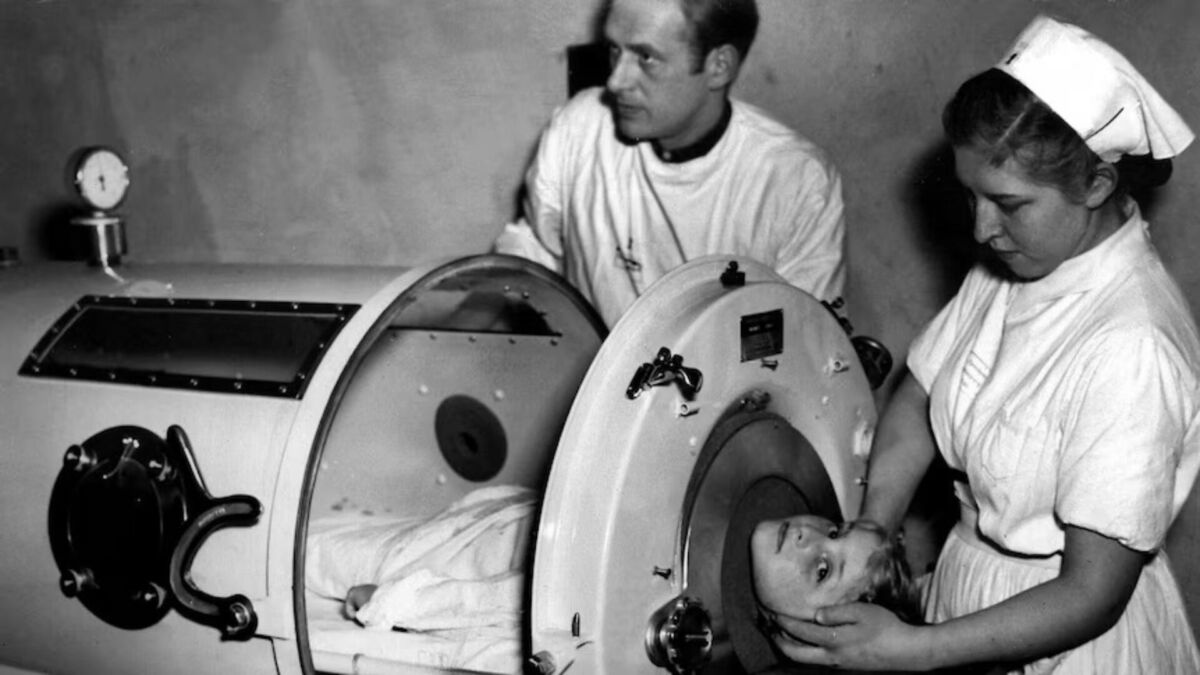
The iron lung, officially known as a negative pressure ventilator, helped people breathe when their own muscles could no longer do the job. The machine created a gentle pull around the chest, lifting the rib cage and drawing air into the lungs. For many children with severe polio, this machine was the only reason they survived each night.
Polio often took away the body’s ability to control important muscles, including the diaphragm. When the diaphragm failed, a child could not pull air into the lungs. The iron lung stepped in and created the pressure changes the body could not. It was simple in design but vital for survival.
One of the most well known survivors is Paulo Henrique Machado of Brazil. He was struck by polio as a small child and ended up spending most of his life inside a hospital. During his early years he lived in a machine the staff called a torpedo. It wrapped around his body and became the space where he slept, dreamed, and tried to make sense of the world. He learned how to create an inner life made from imagination and curiosity. His earliest memories are of rolling through long hospital corridors in his wheelchair, moving from one ward to the next and visiting rooms where other children lay in their machines.
Paulo and his friend Eliana grew up side by side. The two of them watched as many other children lost their fight with the disease. Doctors never understood why Paulo and Eliana survived while so many did not. The loss shaped their bond. Paulo once described it as feeling like parts of himself were being torn away each time another friend died. Today only the two of them remain from their childhood group. Because the risk of infection is high, they rarely leave the hospital even as adults.
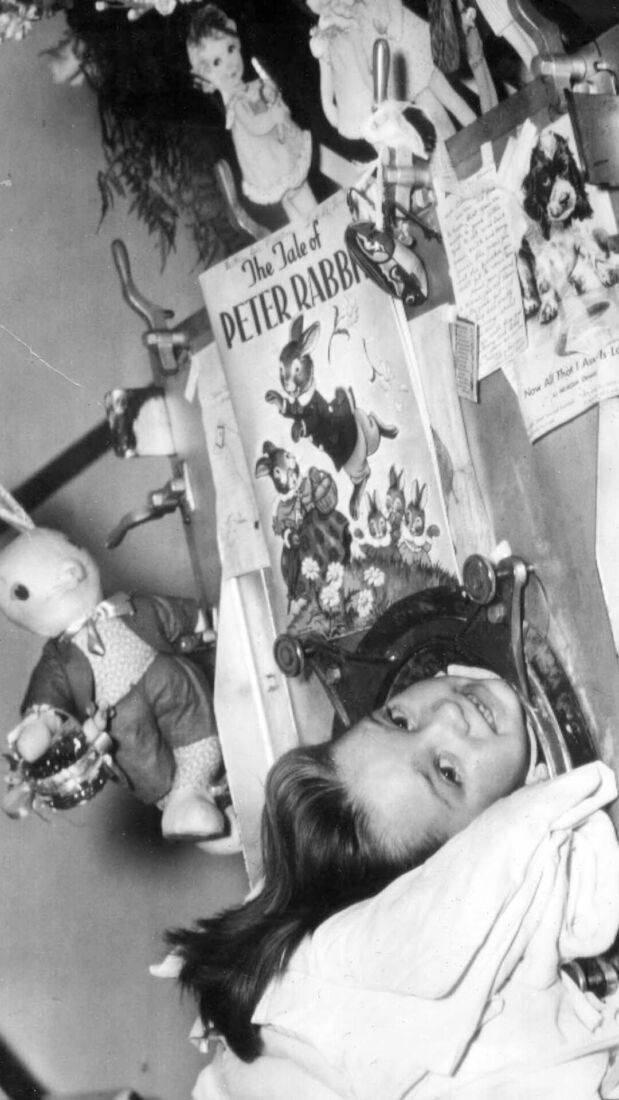
There is another story from an earlier time, the story of a girl named Mary Virginia. She was born in 1930 to a family that had a comfortable life. Her childhood changed during the summer of 1937 after a simple day at the neighborhood pool. By that night she felt feverish. Within hours she could not control her legs. Within two days she was placed inside an iron lung. She was only seven.
She later told her granddaughter that the hospital used a large communal iron lung called an Emerson. Several children were placed inside it at the same time. She remembered rows of patients throughout the hospital. Some children stayed only a short time. Many never left. During her first six months she saw most of the children around her pass away. She stopped counting when the number reached twenty four because she did not know how to count any higher. The number stayed with her for the rest of her life.
Mary Virginia spent three to four years in the machine. Nurses helped her move her arms and legs so she would not lose all muscle strength. Her parents visited whenever they could, but long train journeys were costly and exhausting. Her mother always felt guilty about not being able to come more often, though the family visited more than most. Her mother also brought small gifts for the children, such as knitted hats, simple toys, and books. Books meant a great deal to the children who lived with nothing but time and the sound of the machine.
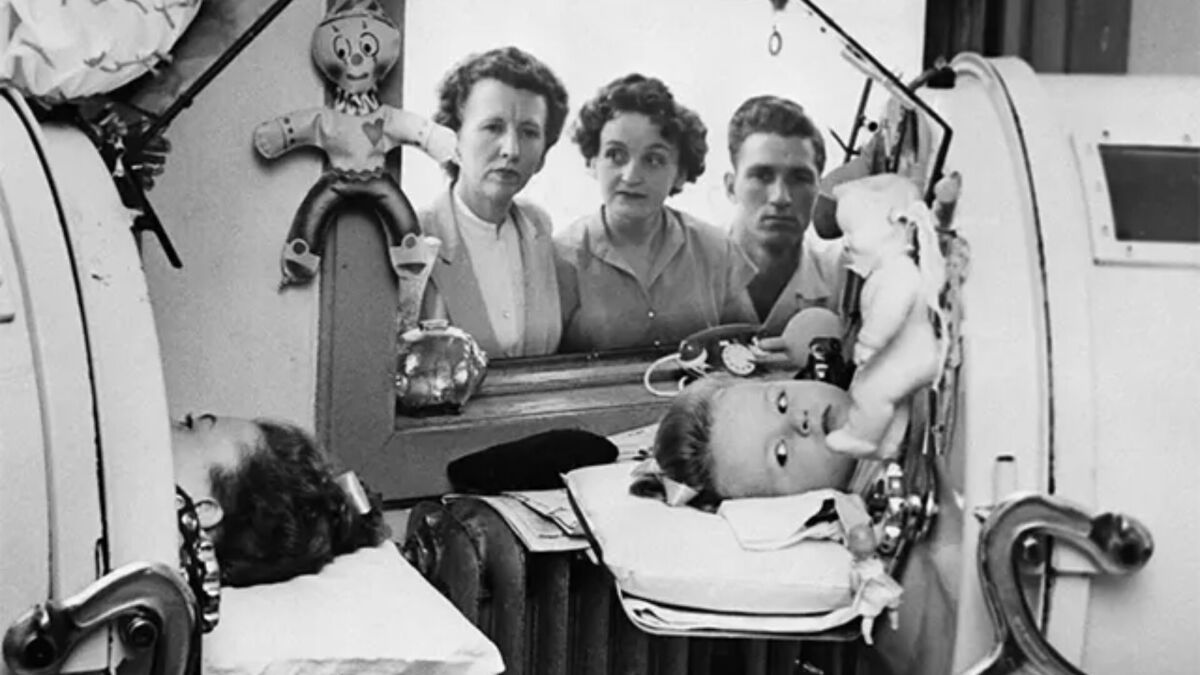
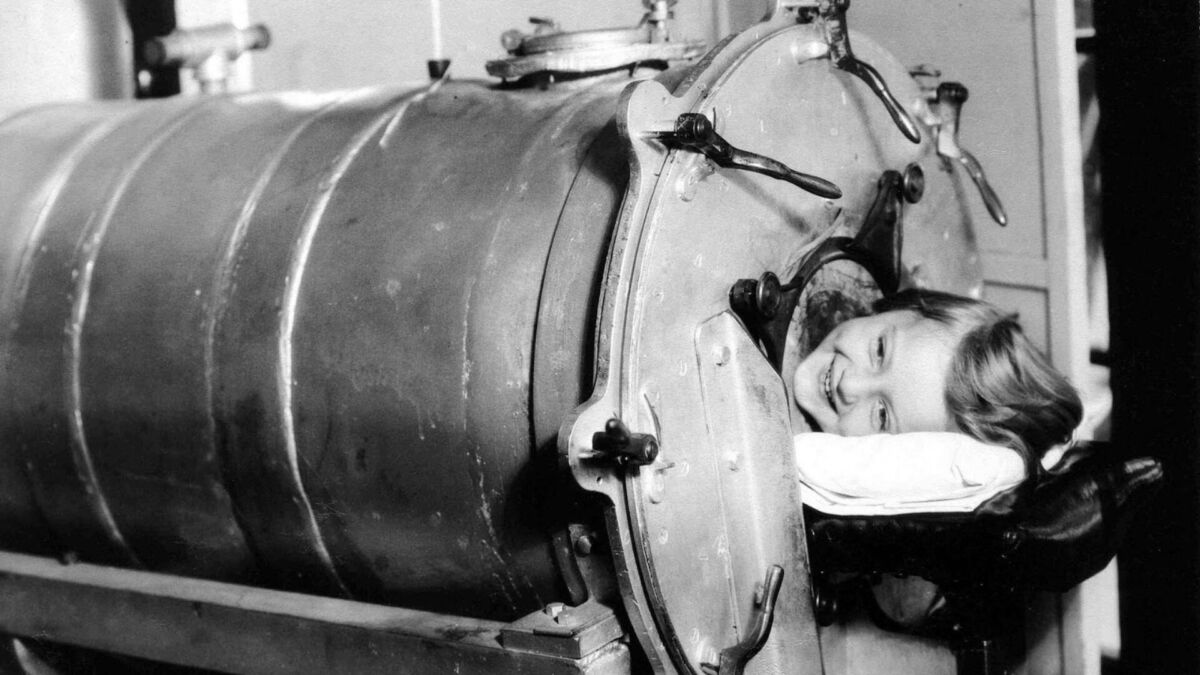
Daily life inside an iron lung raised many questions, even something as basic as how the children used the bathroom. The staff followed a simple routine. The front part of the machine, where the child’s head rested, could be opened. A nurse would lift the patient just enough for a bedpan to be placed under them. Then the child would be lowered again and the machine would close and continue its cycle. The process was done again when the pan had to be removed. It was slow and careful work.
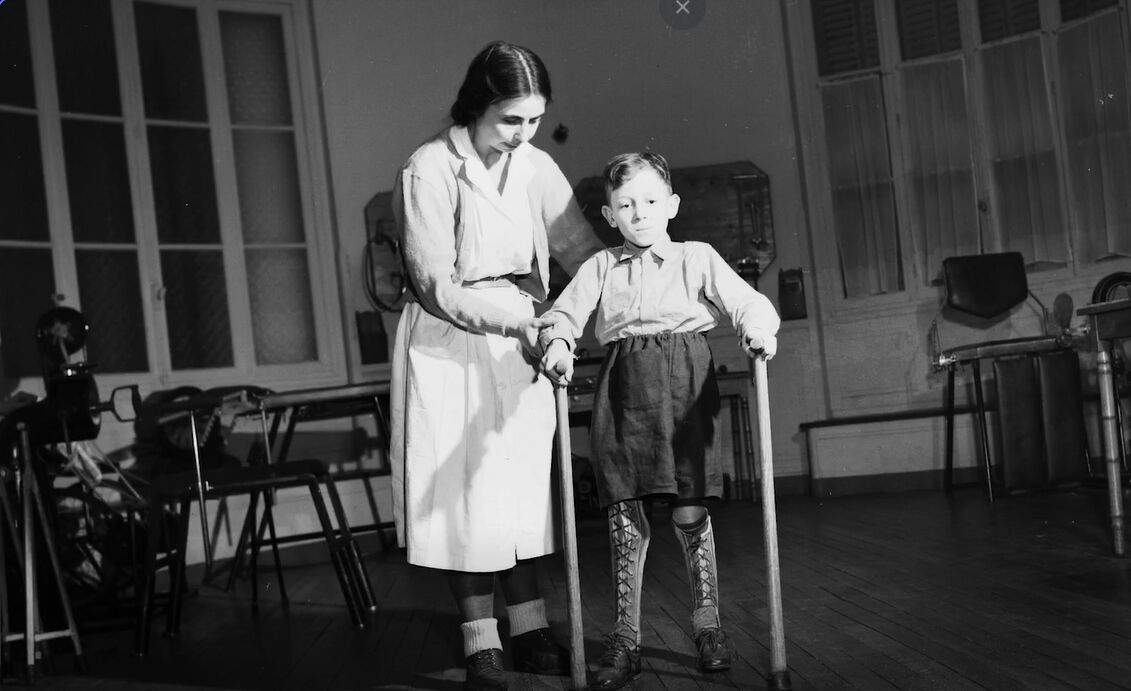
Before the polio vaccine, the disease was one of the most feared illnesses in the world. It attacked the nervous system, caused paralysis, and often left permanent weakness. Many children who survived the first infection faced new symptoms decades later, including fatigue, muscle loss, and pain.
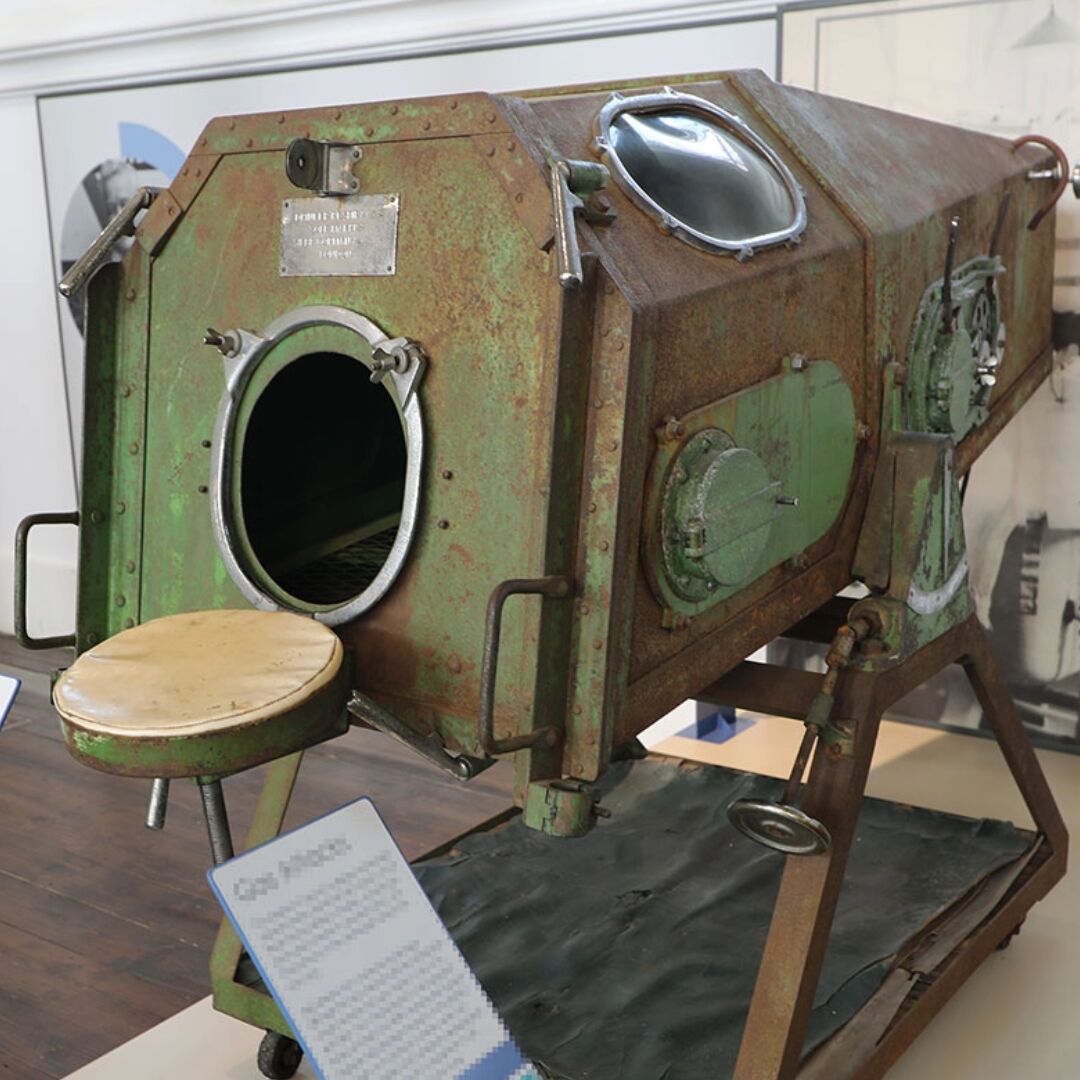
The iron lung became one of the most important medical inventions of that era. It kept children alive long enough to recover some function or at least survive until their bodies settled into a new normal. Everything changed when vaccines became widely available in the 1960s. The disease disappeared from most developed countries. Today polio remains a concern only in a few regions, such as Nigeria, Afghanistan, and Pakistan, where vaccination efforts continue.
Looking back, the photographs from those hospital wards show something that is easy to forget today. Behind the machines and the metal frames were real children who played, imagined, struggled, and waited. Their stories remind us that the fight against polio was not only scientific but also deeply human.