He owned the land, the law, and the title. The villagers owned only their silence — and that was enough to erase him from history.
In the autumn of 1880, after four straight years of failed harvests in County Mayo, Ireland, the tenant farmers of Lord Erne’s estate were starving. They asked for a 25% reduction in their rent. Lord Erne offered 10%. They refused. So his land agent — a stiff-backed retired British army captain named Charles Cunningham Boycott — was sent to evict eleven families from their homes.
He expected pleading. He expected shouting. He even expected violence.
He did not expect what came next.
Days earlier, an Irish leader named Charles Stewart Parnell had stood before a crowd in the town of Ennis and offered a strange new idea. Don’t shoot the landlords, he said. Don’t burn their houses. Instead — pretend they don’t exist.
“Shun him on the roadside. Shun him in the shop. Shun him in the place of worship. Treat him as the leper of old.”
The villagers of Mayo took the words home with them.
When Boycott walked into Ballinrobe, the shops would not sell to him. The blacksmith — knowing the captain’s love of horses — refused to shoe a single hoof. His farmhands walked off in the middle of the harvest. His stable boys vanished. The boy who delivered his mail simply stopped coming. His own laundress would not wash a shirt for him. Even the priest’s neighbours crossed the street.
Boycott was untouchable, but in the worst possible way. The fields full of potatoes and turnips sat rotting because no human hand would pull them from the ground.
In desperation, he wrote a furious letter to The Times of London — and accidentally made his own situation famous worldwide. Newspapers from Dublin to New York sent reporters. A relief fund was raised. Fifty Protestant labourers from Ulster eventually marched into Mayo under the protection of cavalry and a thousand armed police, just to harvest one man’s vegetables. The operation cost £10,000. The crops were worth £500.
Boycott fled Ireland in disgrace before Christmas.
But here is the strange part — the part nobody expected. A local priest, Father John O’Malley, sat with a journalist and said the word “ostracize” was too hard for the villagers to remember. “Just say boycott him,” the priest suggested.
Within weeks, the word was in The Times. Within a year, it had crossed into Russian, French, German, Dutch, and Japanese. Gandhi would later use it against the British Empire. Martin Luther King would use it against segregation in Montgomery. Anti-apartheid activists would use it against South Africa.
A small, hungry village in the west of Ireland had handed the world a weapon that needed no gunpowder.
Captain Boycott died in 1897. His estate is gone. His grave is barely visited. But every time someone, anywhere on earth, refuses to buy something out of conscience — they say his name.
He spent his life trying to be remembered as a powerful man. He is remembered instead as the man who learned that silence, when shared, is louder than any army.
What’s the most powerful boycott you’ve ever heard of — or taken part in?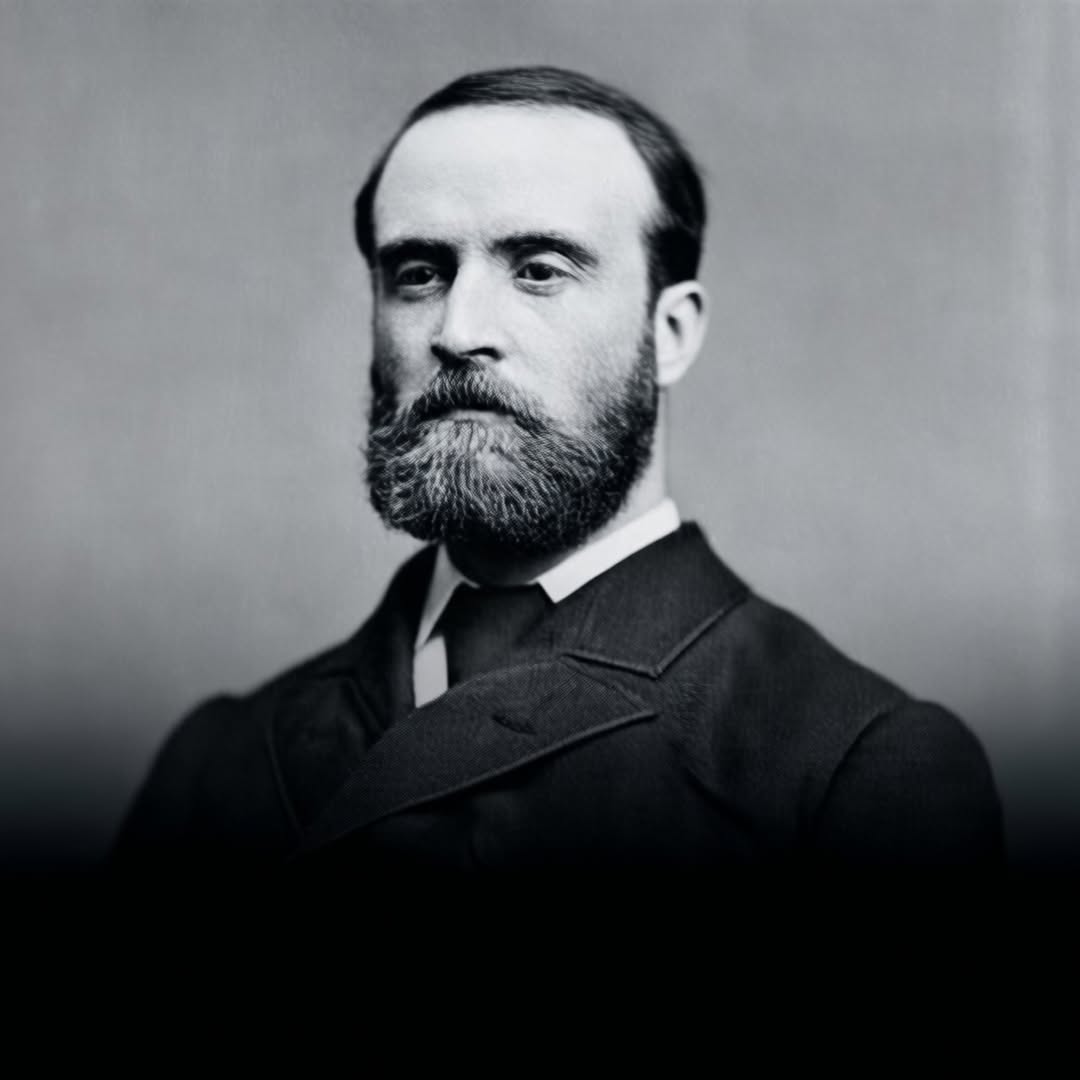
Source
Categories
Stories
He owned the land, the law, and the title. The villagers owned only their silenc…