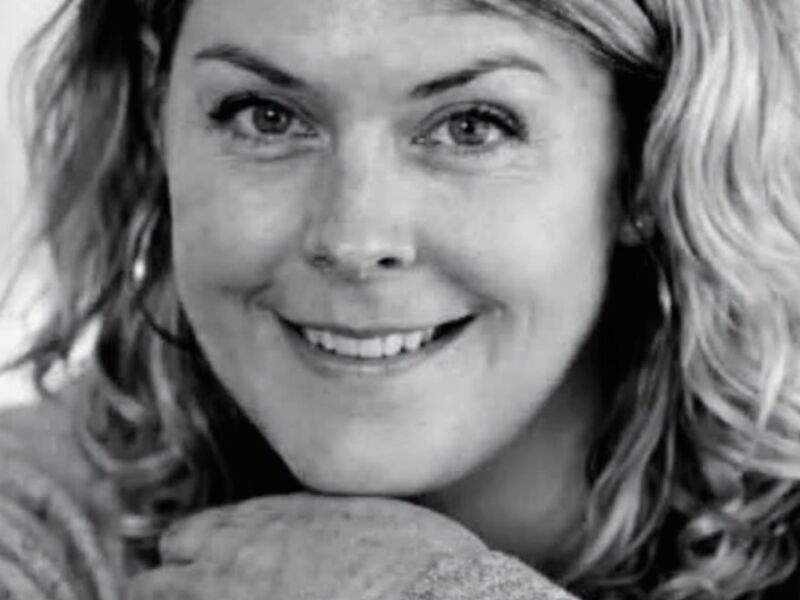
In 1990, HBO aired a documentary that stopped America cold.
On screen sat a small, soft-spoken little girl with pigtails and a sweet voice. Her name was Beth Thomas. She was six years old. And in a quiet, matter-of-fact tone, she was describing to her therapist exactly how she thought about hurting her adoptive parents, her little brother, the family’s pets.
The country could not look away.
What viewers didn’t yet understand was how she had become this way. Beth’s mother had died when she was around a year and a half old. What followed, before she was even old enough to form full sentences, was severe abuse at the hands of her biological father — abuse so damaging that by the time she and her baby brother Jonathan were rescued, the emotional foundation most children take for granted had never formed in her at all.
She was eventually adopted by a loving couple, Tim and Julie Tennant, who poured everything they had into helping her. But the damage ran deeper than love alone could reach. Beth didn’t know how to bond. She didn’t feel guilt. She didn’t seem to feel fear. The Tennants eventually had to put a lock on her bedroom door — not to keep her in, but to keep the rest of the family safe.
It was a psychologist named Dr. Ken Magid who finally named what was happening: Reactive Attachment Disorder. A rare condition that develops when the earliest, most critical window for emotional bonding is shattered by neglect or abuse. Beth’s brain had learned, before she could talk, that other people were not safe. That love was not real. That survival was the only rule.
What followed was years — not weeks, not months — of painstaking, structured, round-the-clock therapeutic care. Relearning how to trust. Relearning how to feel for another person. Relearning how to be a child.
There is no magic in this part of the story. No moment of cinematic breakthrough. Just time. Consistency. People who refused to walk away. And a little girl whose capacity for empathy, once buried, had not been destroyed — only frozen.
Slowly, piece by piece, she began to thaw.
She was eventually adopted a second time, by Nancy Thomas, a woman who dedicated her life to helping children like Beth. She went to public school. She graduated from high school. She went to college. And she decided, of all things, to become a nurse.
Today, Beth Thomas is a registered nurse at Flagstaff Medical Center in Arizona. She works in the neonatal intensive care unit — caring for the tiniest, most fragile humans on earth. The newborns in her care are often premature, sometimes the size of her palm, sometimes fighting for every breath.
The little girl who once couldn’t feel empathy now spends her nights holding babies who cannot yet speak for themselves.
Beth has co-authored books about her recovery. She speaks openly about what early trauma does to a child’s developing brain, and about how long — how patient, how consistent — the road back really is. She’s become a quiet reminder that the window for healing is wider than we think, if the right people show up and keep showing up.
Her story isn’t a fairy tale. It’s something harder, and something better.
It’s proof that a human being is never only the worst thing that ever happened to them.
(Word count: 912)
—
*Viral ~100-word engagement comment:*
At age 6, Beth Thomas told a therapist she wanted to kill her family. Severe early abuse had left her with Reactive Attachment Disorder — unable to bond or feel empathy. Years of intensive therapy, love, and consistency slowly rewired her brain. She grew up, went to college, and became a neonatal ICU nurse — caring for the most vulnerable babies.
The child who once had no capacity for love now spends her nights saving lives.
No one is only the worst thing that ever happened to them. Healing is possible. But it takes time, courage, and people who refuse to give up.
Source