The years following the Second World War were marked by a strong desire for stability and certainty. Societies that had lived through disruption wanted structure again, and fashion mirrored that need. Women’s clothing became deliberate and controlled, favouring clean lines and sharply defined shapes. Undergarments were no longer invisible layers but essential tools that determined how a woman appeared in public. Dresses and sweaters relied entirely on what was worn underneath, and few items shaped that outcome more aggressively than the bullet bra.
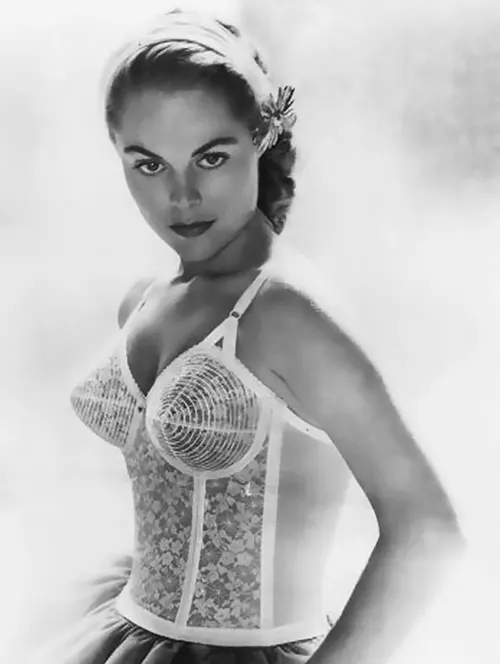
Introduced in the late nineteen forties and embraced widely throughout the nineteen fifties, the bullet bra was designed with intention rather than subtlety. Its stiff conical cups projected forward, creating a pointed outline that could not be ignored. Spiral stitching often radiated from the centre of each cup, reinforcing both the structure and the visual focus. This was not a bra meant to blend in. It was meant to define the body and draw attention to a very specific ideal.


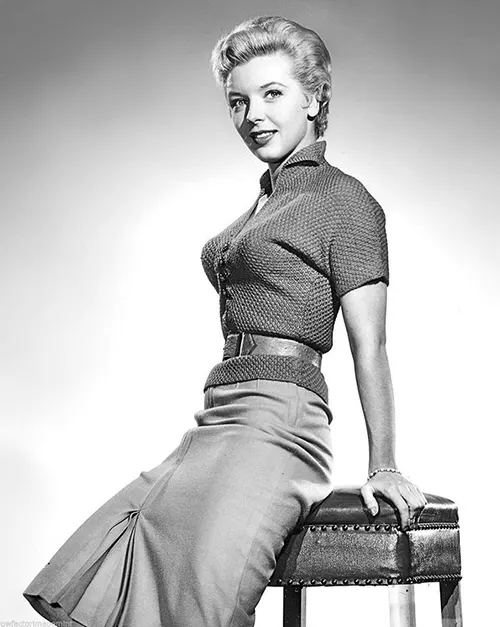


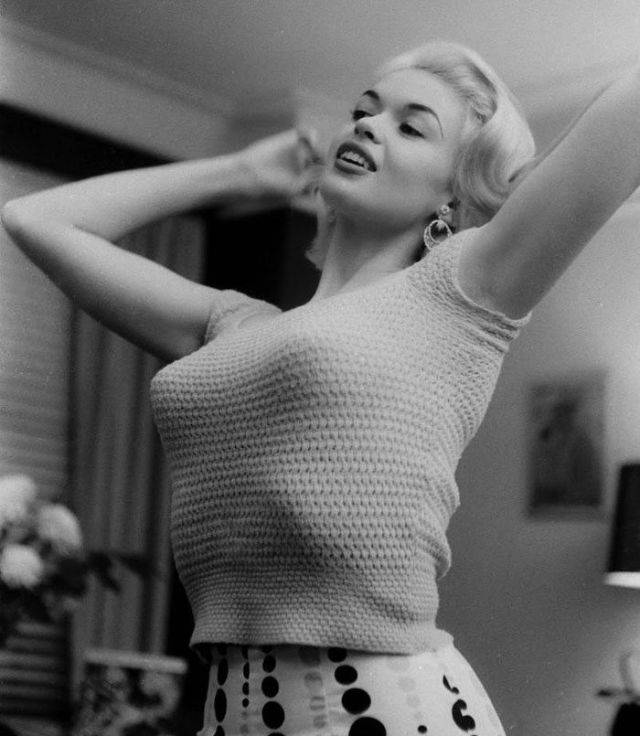
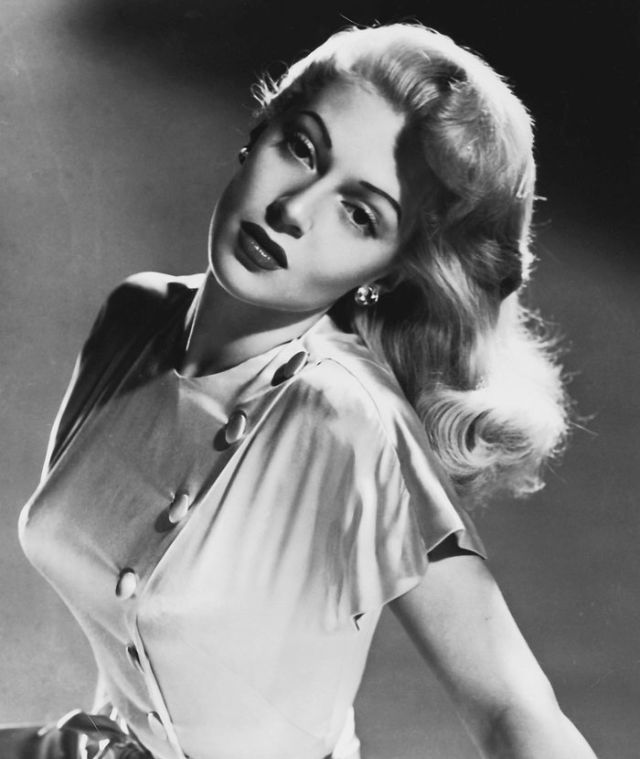

That ideal was the exaggerated hourglass figure. As women were encouraged to leave wartime labour and return to domestic roles, fashion responded by emphasising traditional femininity. A narrow waist and prominent bust became expectations rather than personal traits. Achieving this look often required engineering rather than nature. The bullet bra offered a solution, promising transformation through design.
Comfort was rarely part of the equation. Built with rigid materials and reversed underwires, these bras prioritised shape over movement. Wearing one could feel restrictive, but discomfort was widely accepted as part of presenting the correct appearance. In a culture that valued visual conformity, the body was expected to adapt to fashion rather than the other way around.
Advertising reinforced this attitude. Promotional language borrowed heavily from military and industrial themes that still dominated the cultural imagination. Words suggesting power, strength, and precision were common. Some designs were even named after weapons or machinery, reflecting how deeply postwar thinking influenced everyday life. The message was clear. This was lingerie that controlled and disciplined the body.
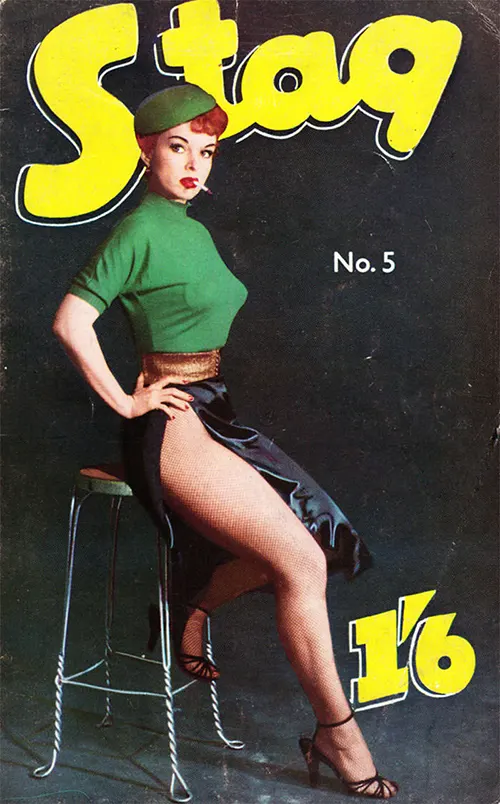
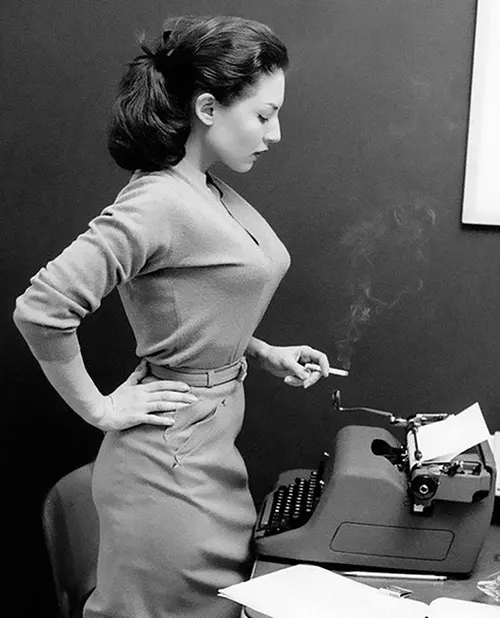
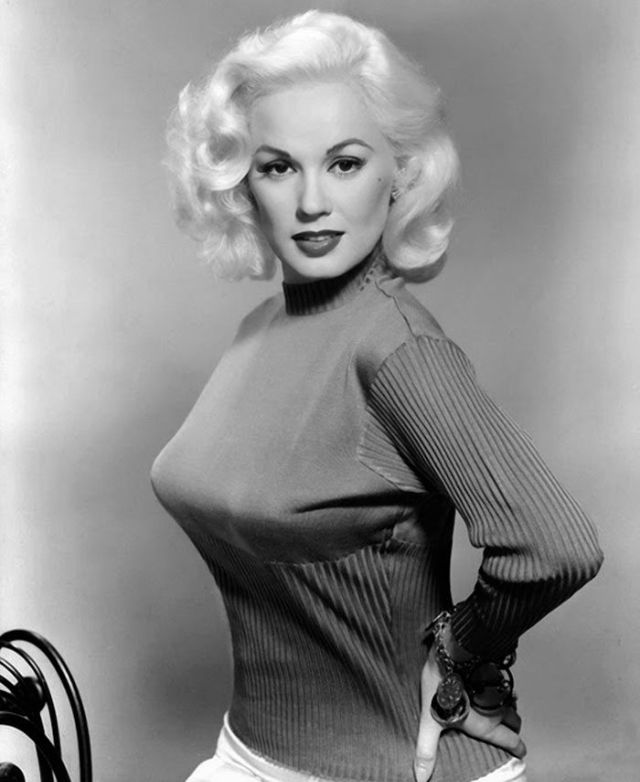
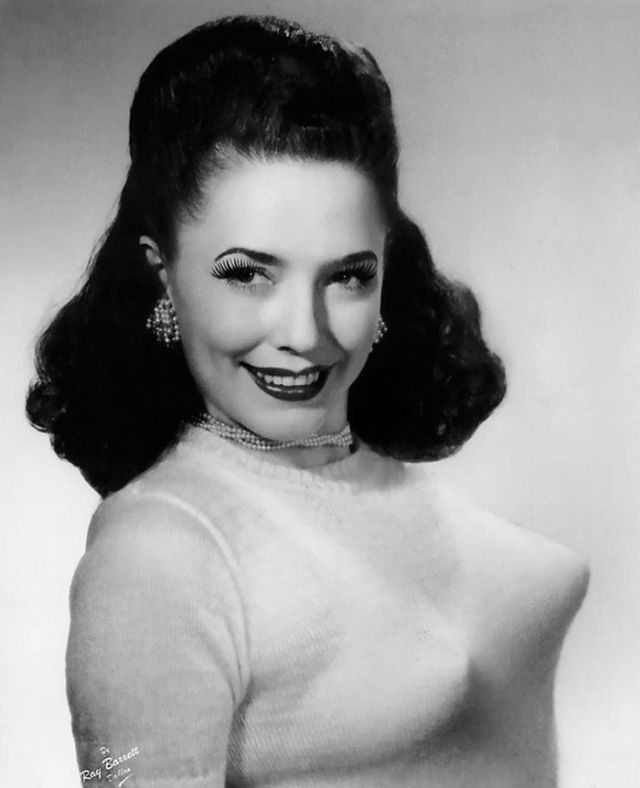
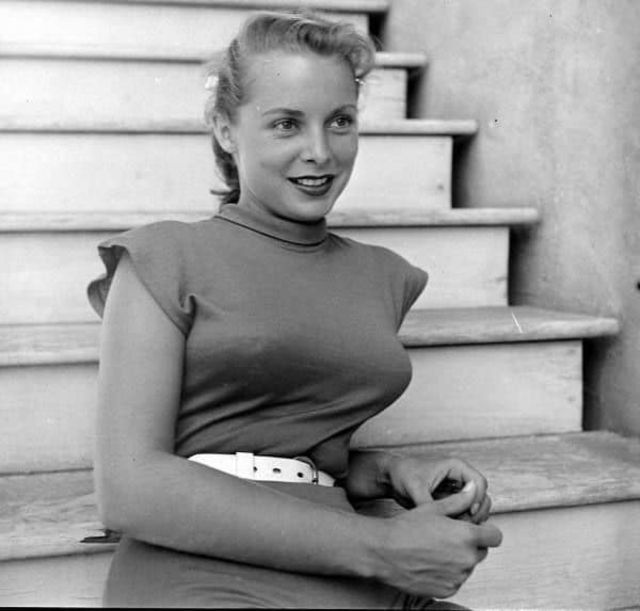
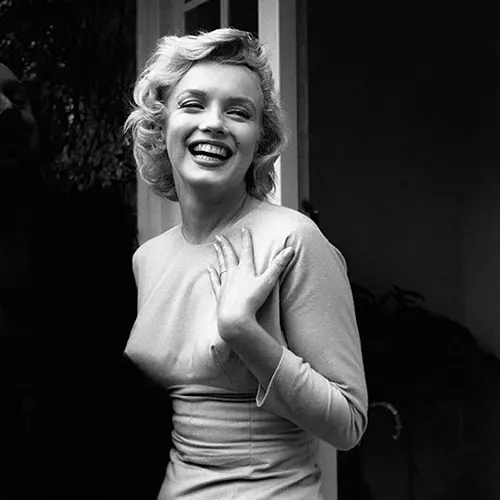
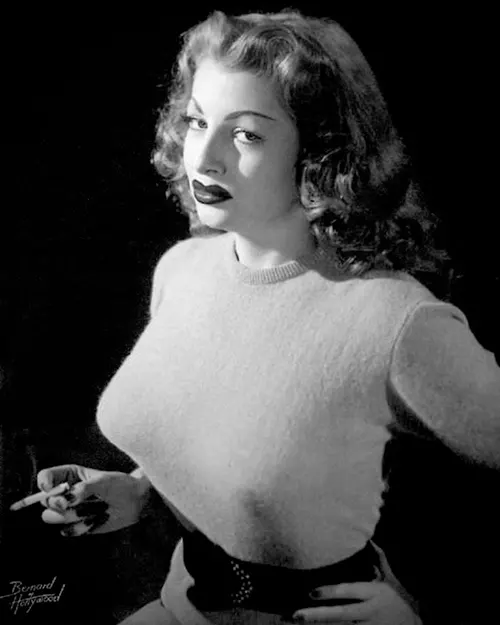
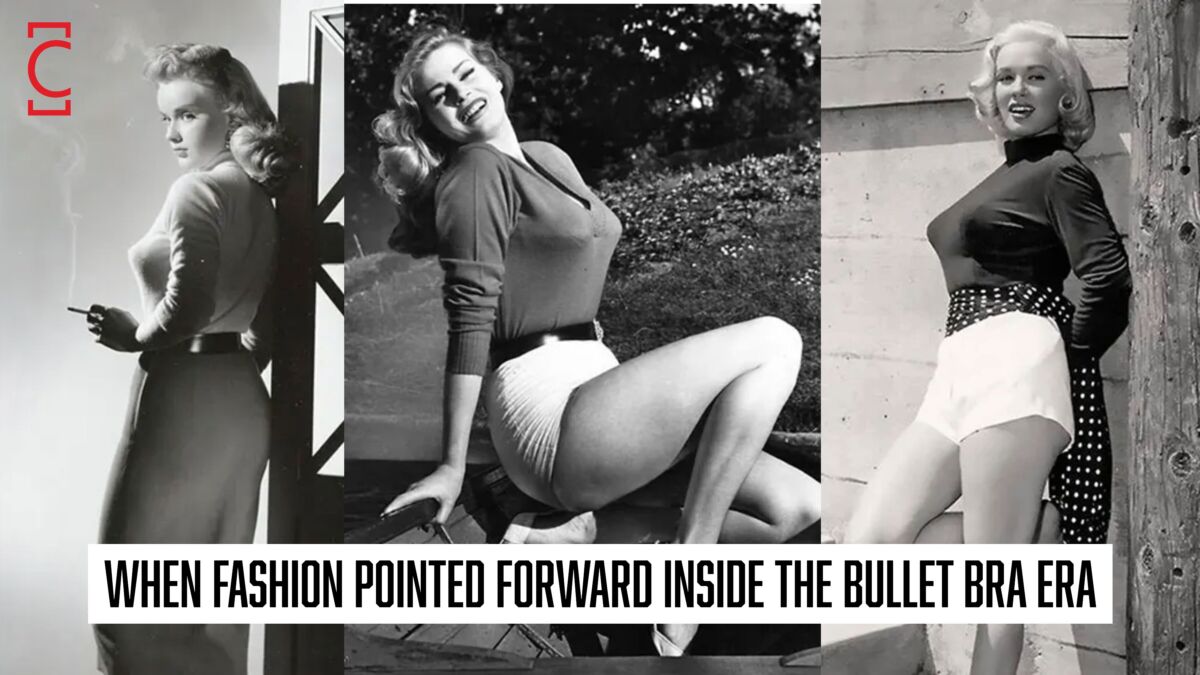
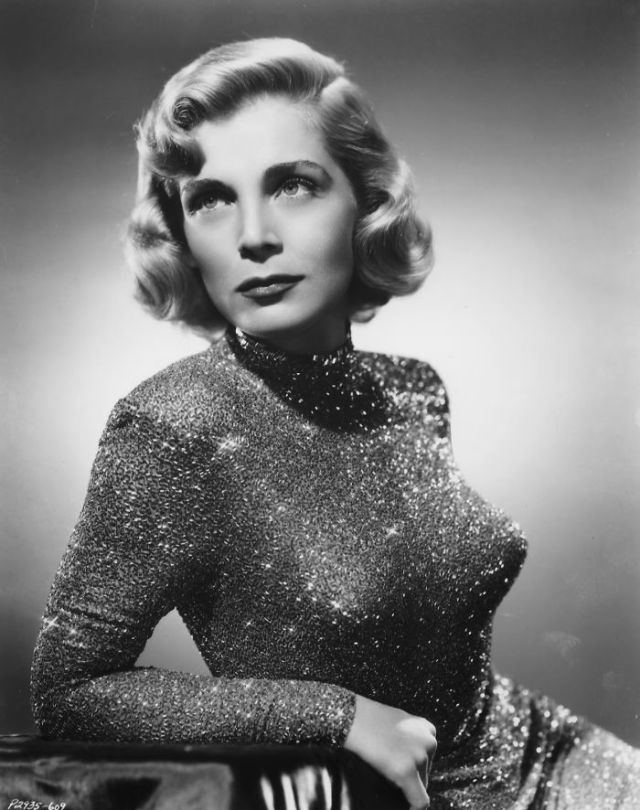
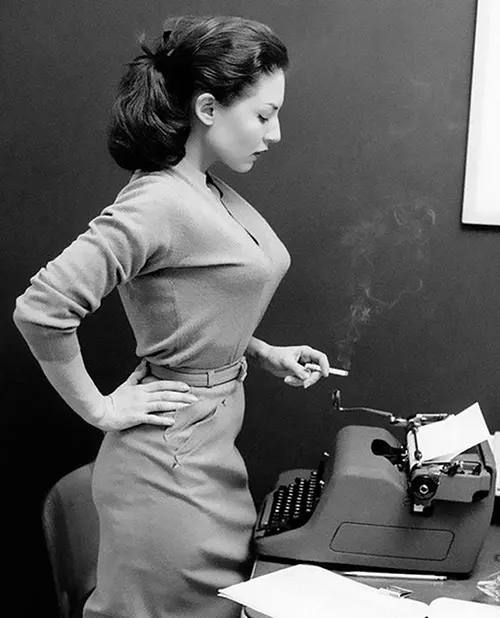
Cinema and popular media helped cement the bullet bra’s place in fashion history. Actresses and pin up models appeared in photographs wearing tight sweaters and fitted dresses that clearly revealed the pointed shape beneath. These images circulated widely, creating what later became known as the sweater girl look. Lingerie and outerwear worked together to create a highly stylised image of glamour, one that quickly became aspirational.
What is often overlooked is how broadly this style was marketed. The bullet bra was promoted to ordinary women as a tool for self improvement. It suggested that beauty could be constructed with the right garments, regardless of natural shape. The body was presented as something to be corrected and refined rather than accepted. Fashion offered not expression, but compliance.
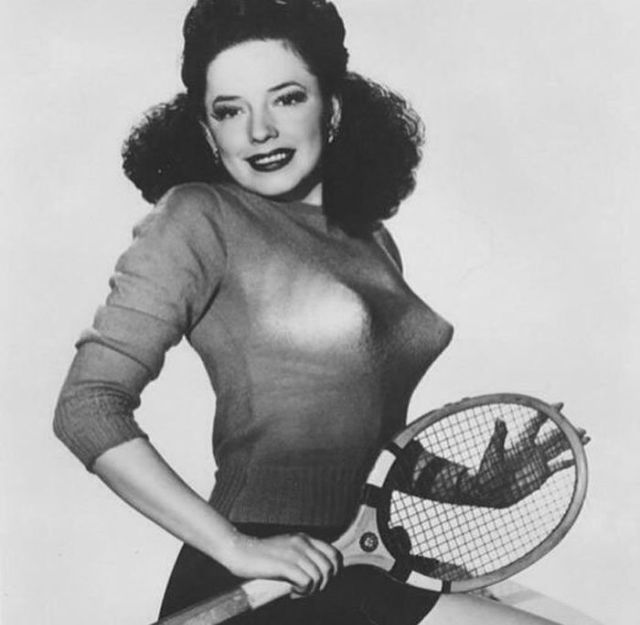
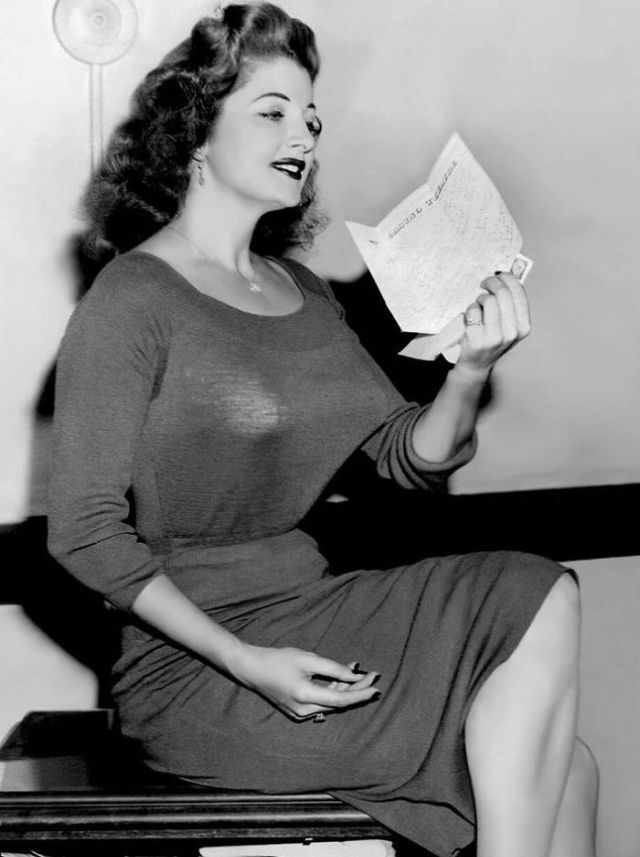

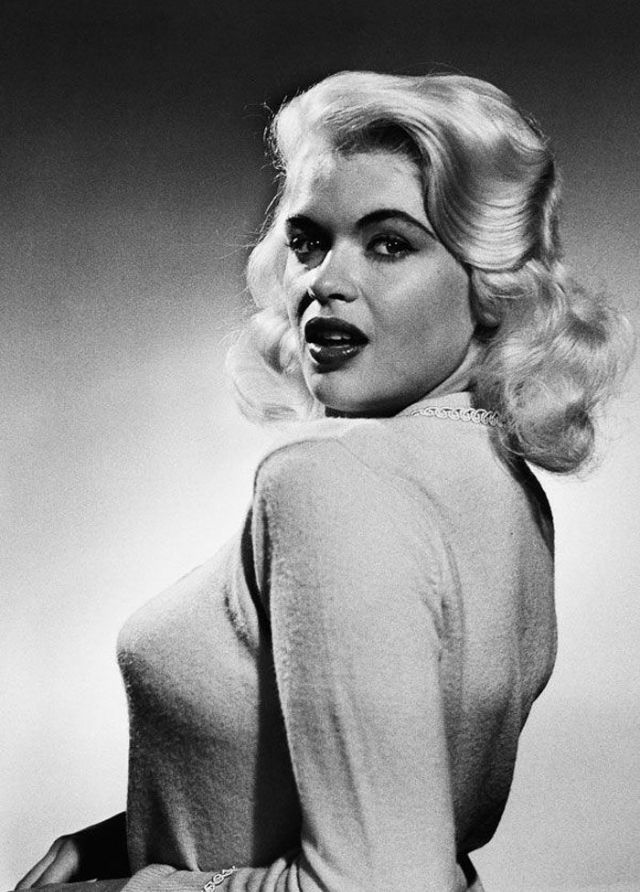
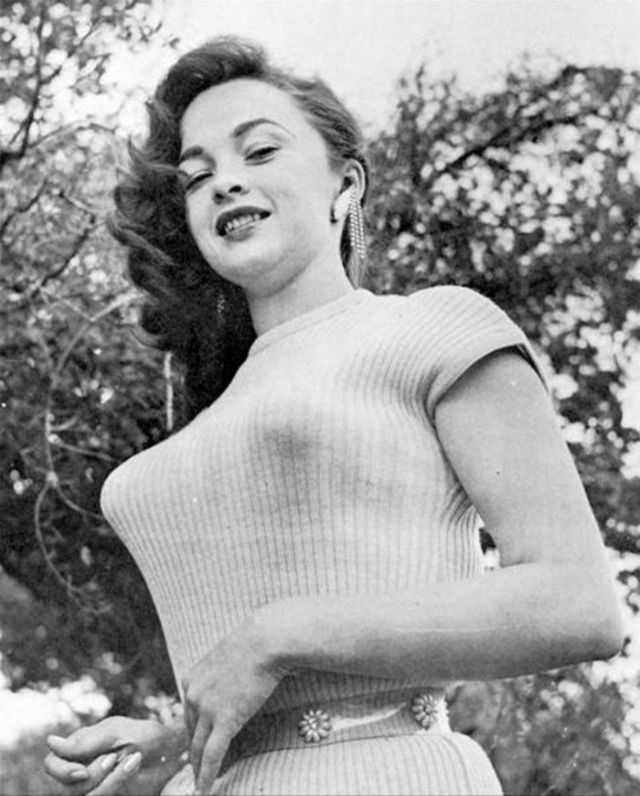
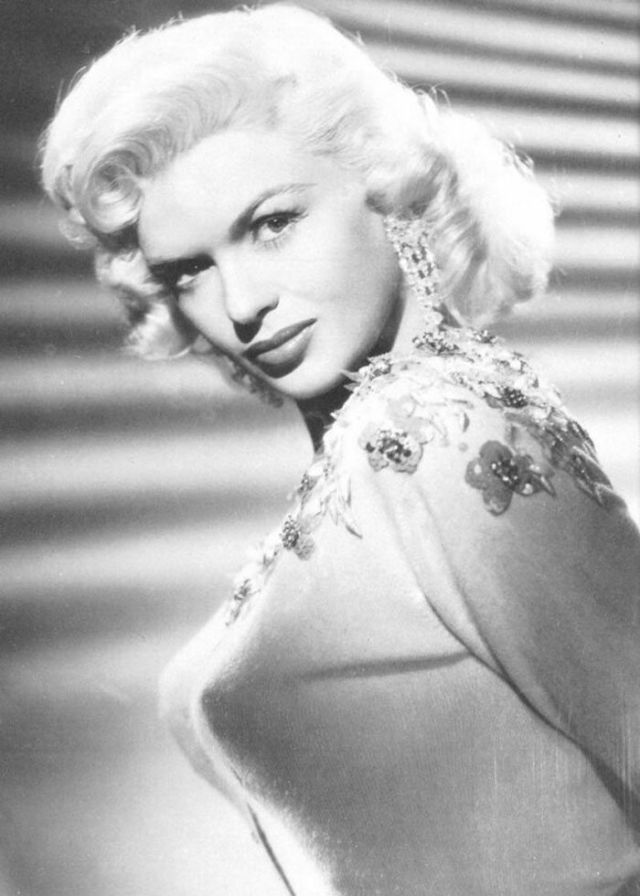
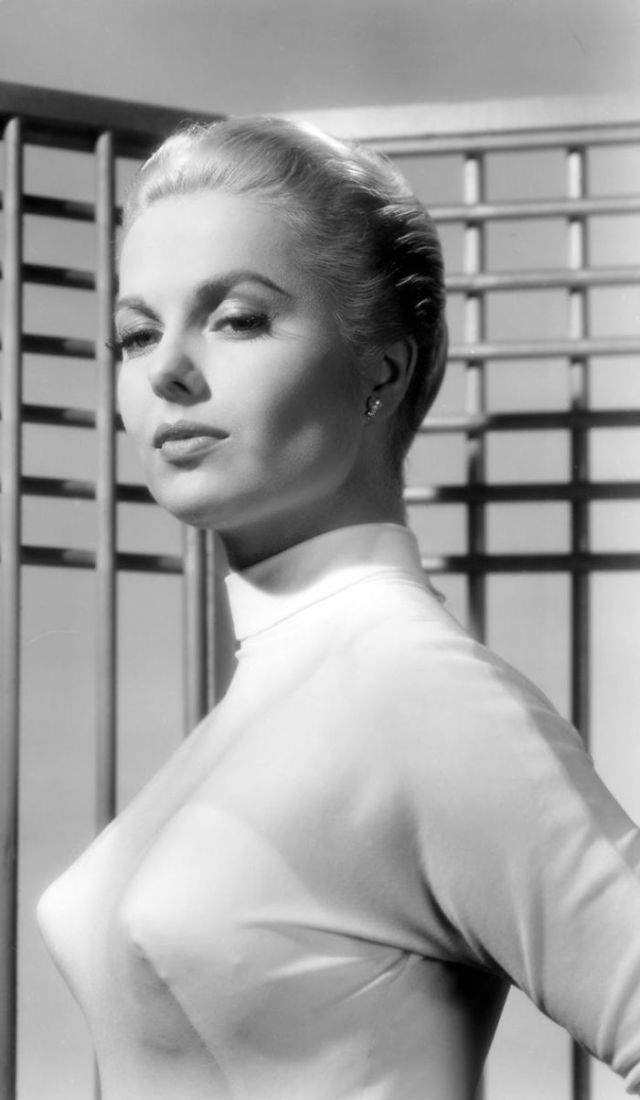
The bullet bra rarely worked alone. It was part of a larger system of shaping garments. Girdles flattened stomachs, corsets cinched waists, and slips smoothed hips. Together, they produced the sharply controlled silhouette now associated with Atomic Age fashion. The look reflected a society fascinated with order, technology, and precision during a time of global uncertainty.
As the nineteen sixties approached, attitudes began to change. Younger generations questioned rigid norms, and fashion slowly moved toward softer lines and greater freedom. Bras became rounder and less structured. Natural silhouettes gained acceptance. The bullet bra did not disappear instantly, but its dominance faded as ideas about femininity and individuality evolved.
Today, photographs of women wearing bullet bras feel both iconic and unsettling. They capture a moment when fashion dictated identity with remarkable authority. These images reveal more than a trend. They show how deeply clothing can shape social expectations and how women’s bodies have often been treated as design problems to be solved.
The bullet bra remains a powerful reminder that fashion history is not just about style. It is about control, culture, and the values a society chooses to project onto the human form. Through its sharp lines and rigid structure, this single garment tells the story of an era that believed beauty could be built from the inside out.