
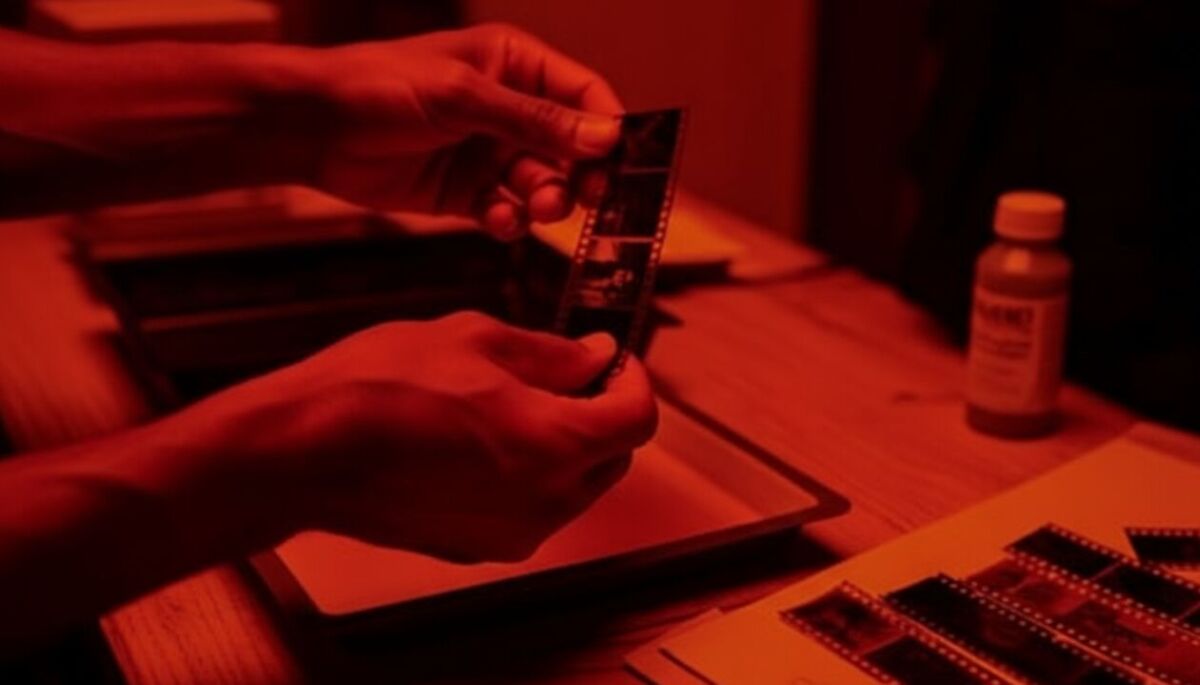
For more than five decades a well known American war photographer built a body of work that showed the human cost of conflict in a direct and unfiltered way. His pictures from Vietnam and Cambodia shaped how many people around the world understood those wars. Today he is seventy seven and dealing with fading health, but he still talks about finishing a book that he has been planning for years. What he did not expect was to wake up to find that the crates of negatives he relied on for that project were no longer with him.
According to people close to him the photographer had been receiving help from two men who had stepped in during a difficult stretch last year when he was in and out of the hospital. They cleaned his home, helped him move around, and spent time going through the piles of prints and film that had gathered over decades. At some point during that period the plastic cases that held his negatives were moved out of his storage space. The photographer says he never agreed to that.
Friends say that the photographer has always been protective of his archive. He has turned down book deals in the past and refused offers to commercialize his most well known images from the fall of Phnom Penh. He has said more than once that he never wanted to turn scenes of suffering into a source of profit. He preferred to work quietly, sell a few prints here and there, and keep the rest of his work for the book he hoped to complete.
The dispute began when his former wife noticed that the familiar boxes of negatives were missing from their usual place inside his home. She says she later learned that one of the men who had been helping him had taken them, apparently believing he had the photographer’s permission to act as a caretaker for the archive. She strongly disputes the idea that any permission was given. For her the removal of the film was a serious breach of trust.
The man who now holds the negatives insists that he was asked to protect them. He says the photographer wanted someone to keep the archive safe because the storage room had become cluttered and dangerous. He also says there had been verbal conversations about future projects, including a small website to display selected images. According to him the plan was simple. They would share any money that came in until the cost of preserving the archive was covered.
Supporters of the photographer say that none of this was ever put into writing. They point out that his health problems and memory issues should have made it clear that a formal agreement was necessary before removing something so valuable. They believe that the lack of documentation has now created a situation that will be difficult to untangle.
The man who holds the negatives says he is willing to return them but only after being repaid for expenses that he says went into organizing and protecting the materials. He claims he has been blocked from contacting the photographer directly. He also says that the website he created lists no items for sale and credits the photographer as the rightful owner.
The photographer’s former wife says the film must be returned without conditions. She says he never gave anyone permission to market his pictures or to build a commercial project around them. She also says that the website started small but later expanded into something she had never approved.
For now the archive remains in someone else’s hands. The photographer says he wants everything back so he can finish the work he has wanted to publish for half his life. He believes he still has one more important project to complete and that he will be working on it until the final day he is able to pick up a negative and hold it to the light.
