
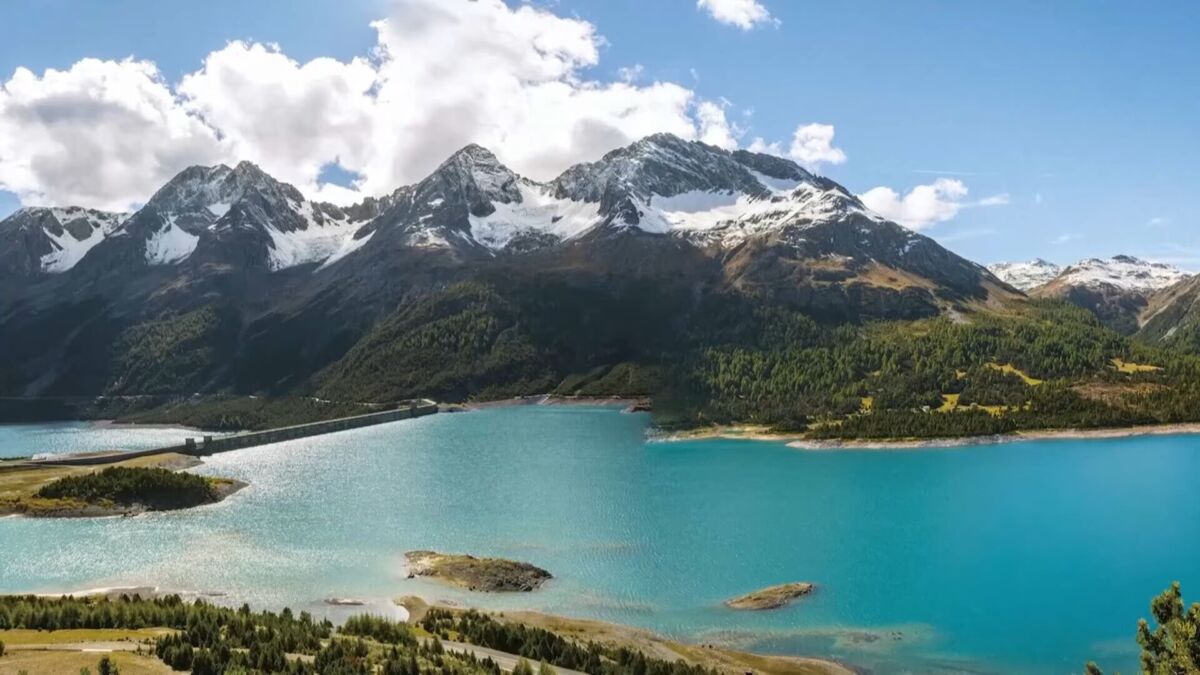
A wildlife photographer photographing deer in northern Italy has unexpectedly uncovered one of the largest known collections of dinosaur footprints ever found in Europe. The discovery was made by Elio Della Ferrera inside Stelvio National Park, where thousands of ancient tracks have now been identified on a remote mountain wall.
Della Ferrera was out photographing wildlife in September when he noticed unusual markings on a steep rock face high above the valley floor. The site sits between roughly 7,900 and 9,200 feet above sea level, nearly 2,000 feet above the nearest road. The wall faces north and remains largely in shadow throughout the day, which experts say helped preserve the footprints but also made them extremely difficult to spot without a powerful camera lens.
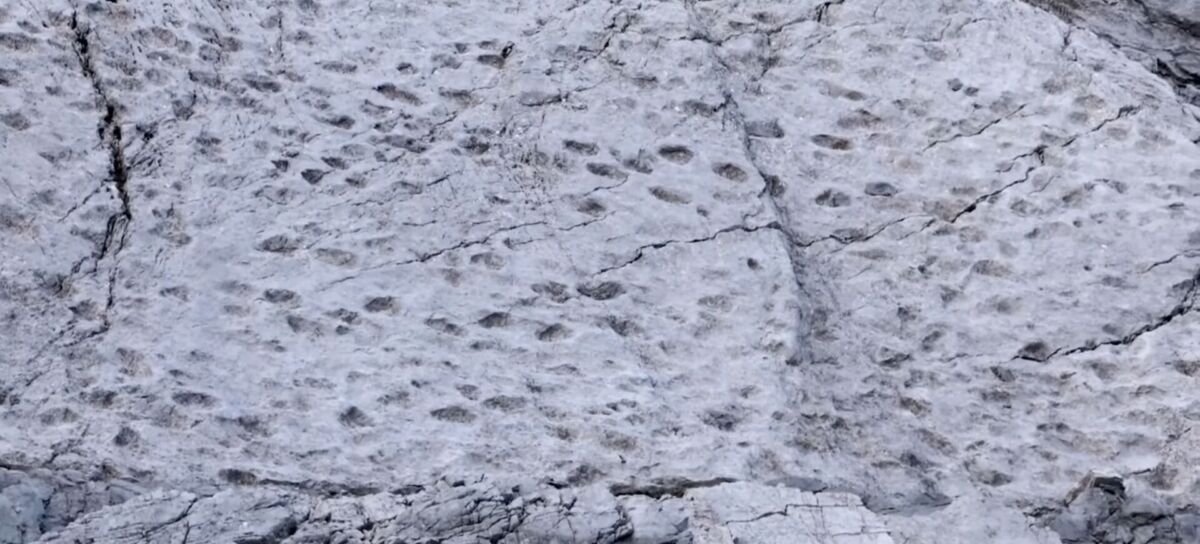
At first, the markings appeared subtle and easy to miss. Curious, Della Ferrera climbed the vertical rock wall to get a closer look. As he moved along the surface, he began to recognise repeating shapes stretching across the stone. What he was seeing, he later realised, were dinosaur footprints spread across hundreds of feet of exposed rock.
The tracks date back around 210 million years to the Triassic Period, a time when dinosaurs were only beginning to spread across the planet. During that era, the area that is now part of the Italian Alps was a coastal environment with tidal flats rather than towering mountains. Over millions of years, geological forces lifted and tilted the rock layers, preserving the footprints on what is now a near vertical surface.
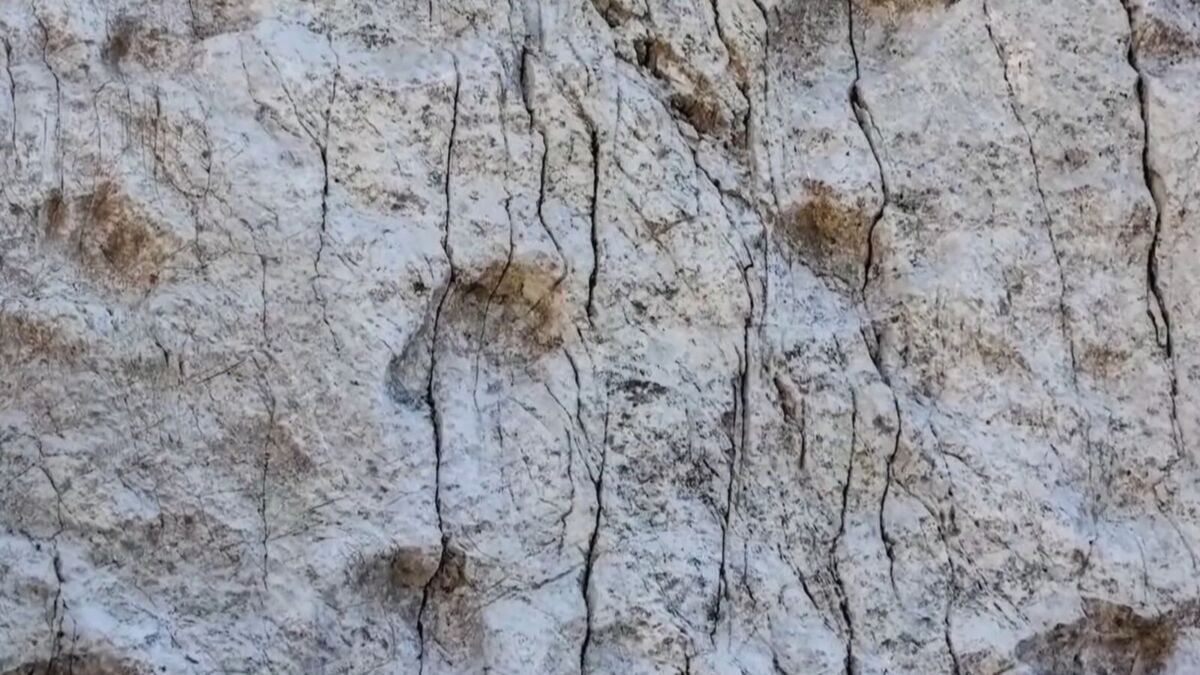
After recognising the importance of what he had found, Della Ferrera contacted Cristiano Dal Sasso, a palaeontologist at Milan’s Natural History Museum. Dal Sasso quickly assembled a team of Italian researchers to examine and document the site. Their investigation revealed an extraordinary scale. Experts estimate that as many as 20,000 individual footprints are spread across roughly three miles of rock, making it one of the oldest and most extensive dinosaur tracksites ever recorded.
“This time reality really surpasses fantasy,” Dal Sasso said in a statement released by the museum. He described the discovery as an immense scientific heritage, noting that no dinosaur tracks had previously been identified in this specific area despite decades of geological research.
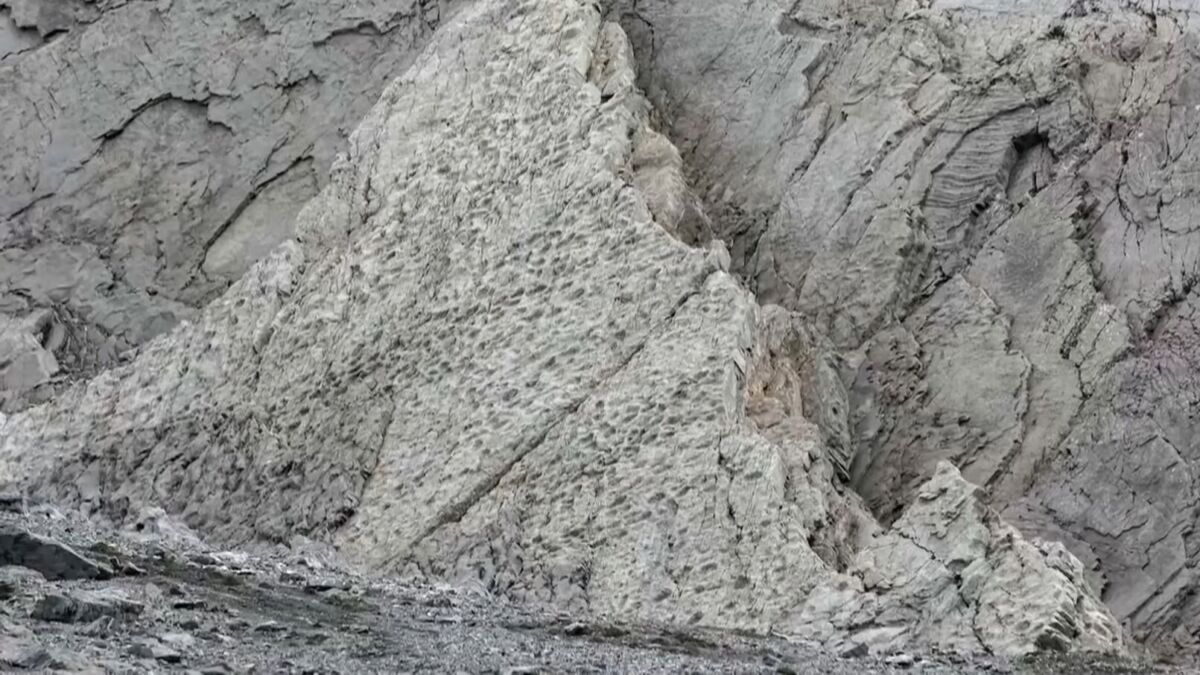
The museum has since released images of the footprints, which have quickly gained attention online. On social media, the area has already earned the nickname the valley of dinosaurs. The tracks are believed to have been left by long necked, bipedal herbivorous dinosaurs similar to Plateosaurus. These animals could grow up to 33 feet long and weigh several tons.
Some of the footprints measure nearly 16 inches wide and preserve fine details, including claw marks. Researchers say the track patterns suggest that the dinosaurs often moved in groups. In some sections, the footprints form circular arrangements, which scientists believe may point to social or defensive behaviour.
For now, the site remains under careful study, with researchers working to document the tracks without damaging the fragile surface. What started as a simple wildlife photography outing has become a rare window into life on Earth more than 200 million years ago, captured not by excavation, but by a photographer’s eye.
