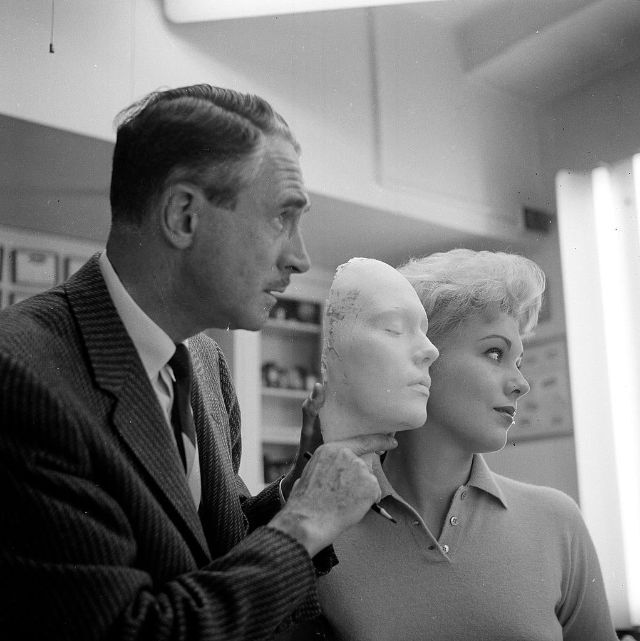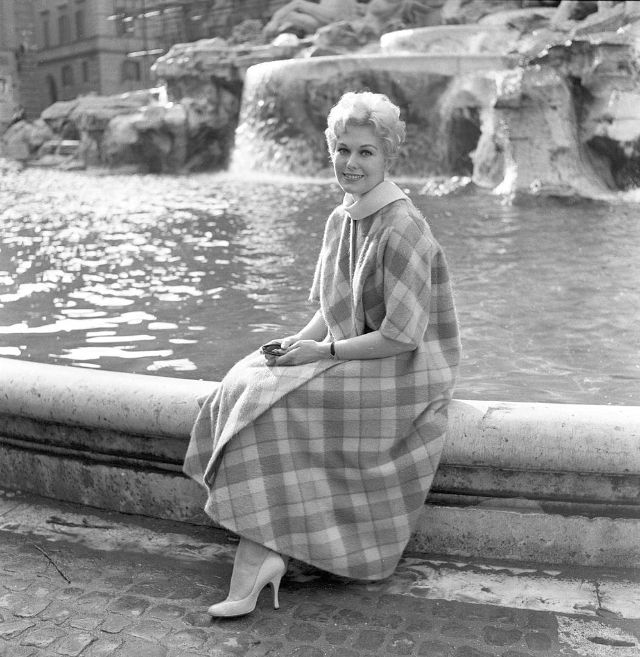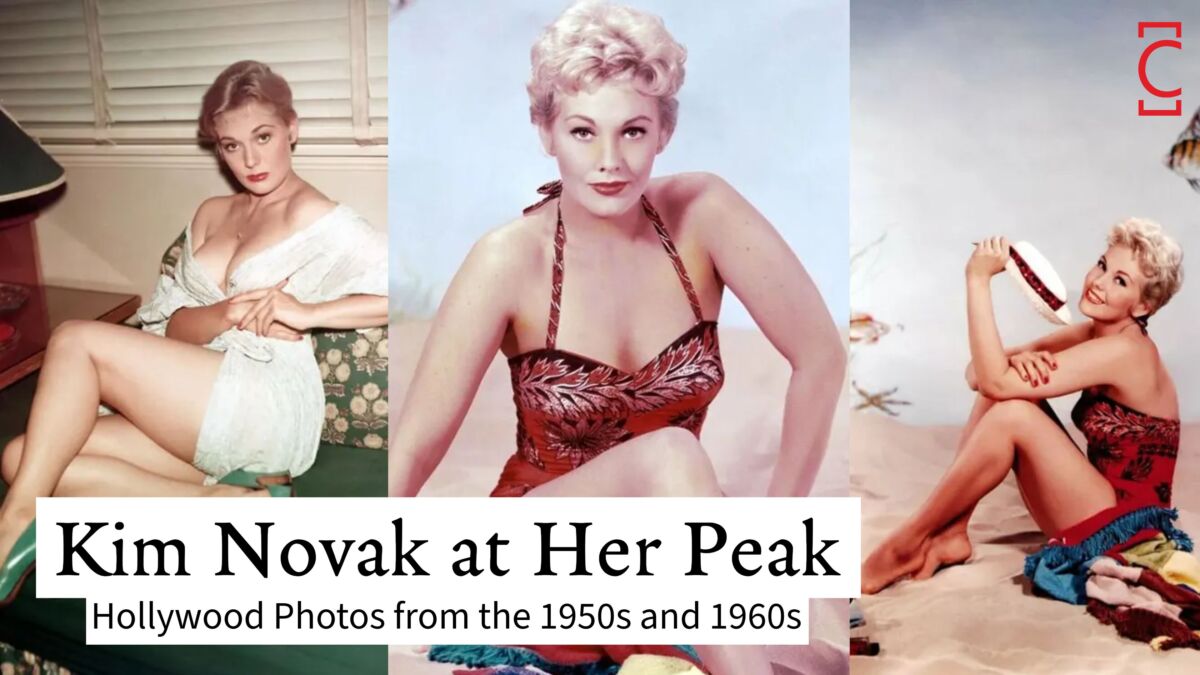
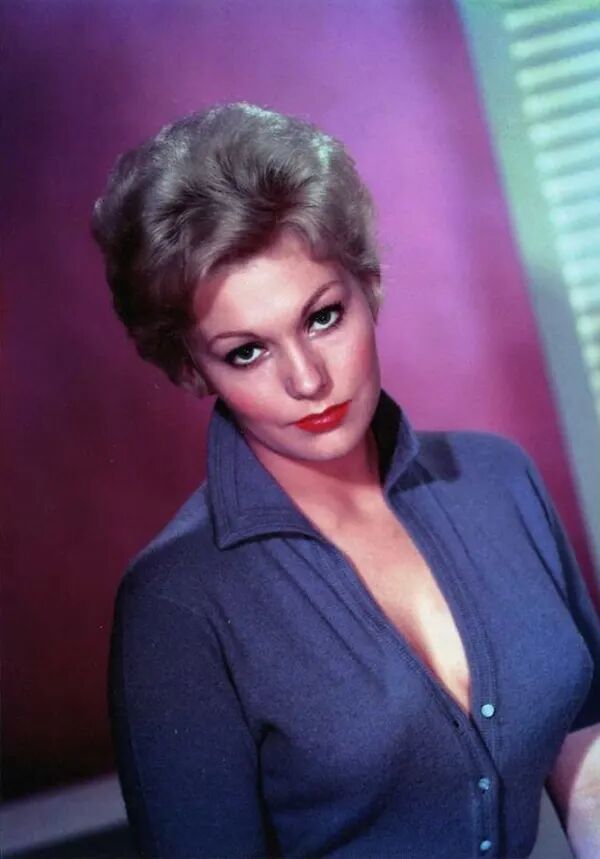
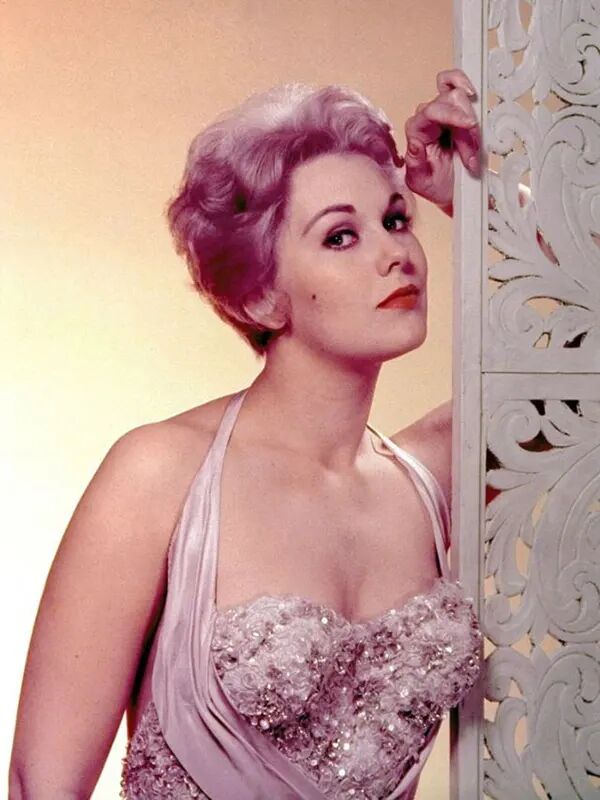
Kim Novak’s peak years unfolded quietly, without the theatrical certainty Hollywood preferred. She did not arrive as a fully shaped fantasy, nor did she seem eager to become one. In the 1950s and early 1960s, as the studio system attempted to preserve its authority, Novak moved through it with a presence that resisted simplification. The photographs from this period record not just a star at the height of her visibility, but an actress never fully absorbed by the machinery that promoted her.
She was born Marilyn Pauline Novak in Chicago, far from the controlled mythmaking of Los Angeles. Her earliest exposure had little to do with cinema. In the early 1950s, she spent a summer traveling across the United States as a promotional model for Deepfreeze home freezers, appearing at trade shows and retail exhibitions. The nickname “Miss Deepfreeze” followed her through the tour, a reminder that her introduction to public attention was practical rather than glamorous. When the promotion ended in San Francisco, Novak chose Los Angeles out of curiosity rather than ambition.
Her first film appearances were marginal. She worked as an extra and appeared briefly in productions such as Son of Sinbad and The French Line, learning the mechanics of the industry from its edges. Columbia Pictures soon signed her to a contract, recognizing her visual impact while remaining uncertain how to deploy it. Studio head Harry Cohn attempted to rename and reshape her, pressing for a complete reinvention. Novak resisted, holding onto her identity even as compromise became unavoidable. The name Kim Novak emerged not as branding triumph but as negotiated survival.
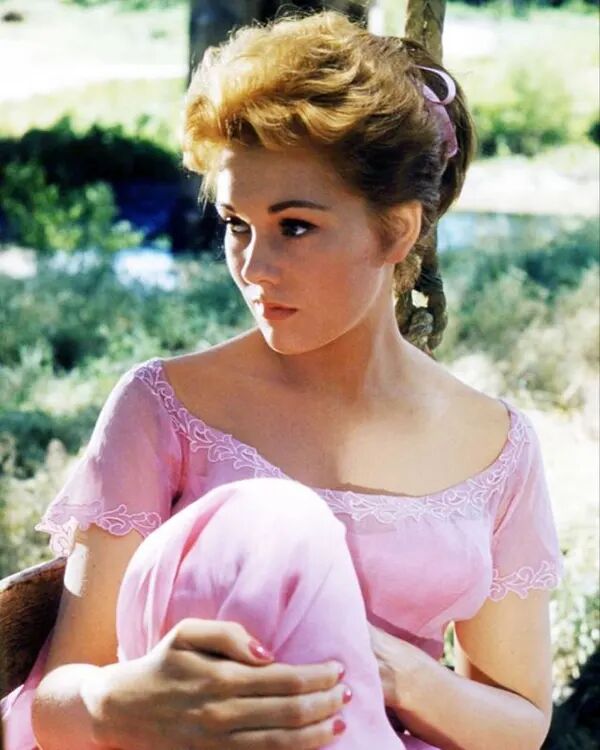
Early starring roles placed her within familiar genre structures. Films like Pushover and Phffft presented her as attractive and approachable, yet something in her performances remained unresolved. She did not project ease. She appeared self-contained, occasionally distant, as if aware of the expectations being imposed upon her. That tension became unmistakable with Picnic in 1955. As Madge Owens, Novak embodied a contained dissatisfaction that felt unusually modern. Her performance avoided sentimentality, grounding the character in physical stillness rather than emotional display. The film’s success secured her stardom while subtly exposing the limits of studio control.
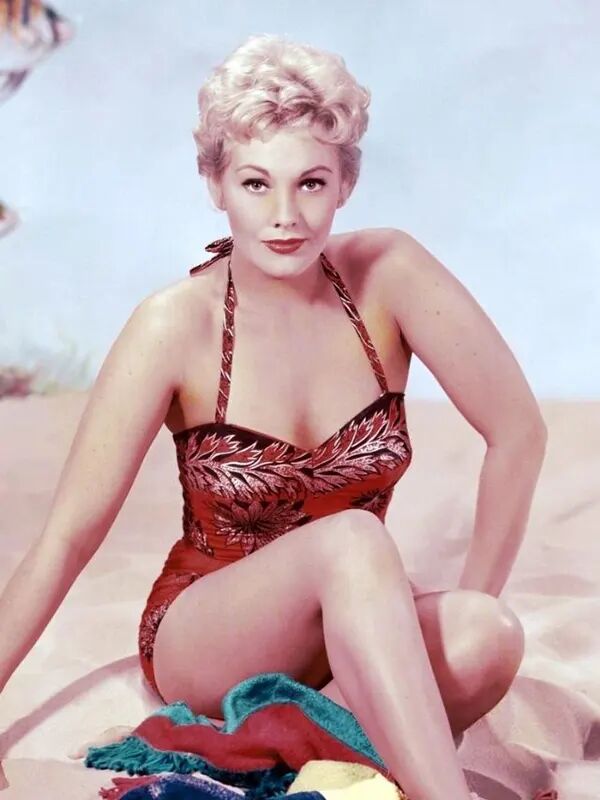
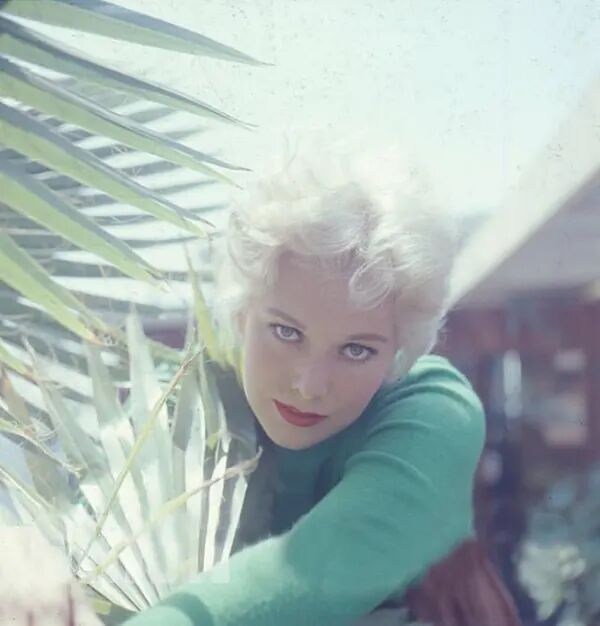
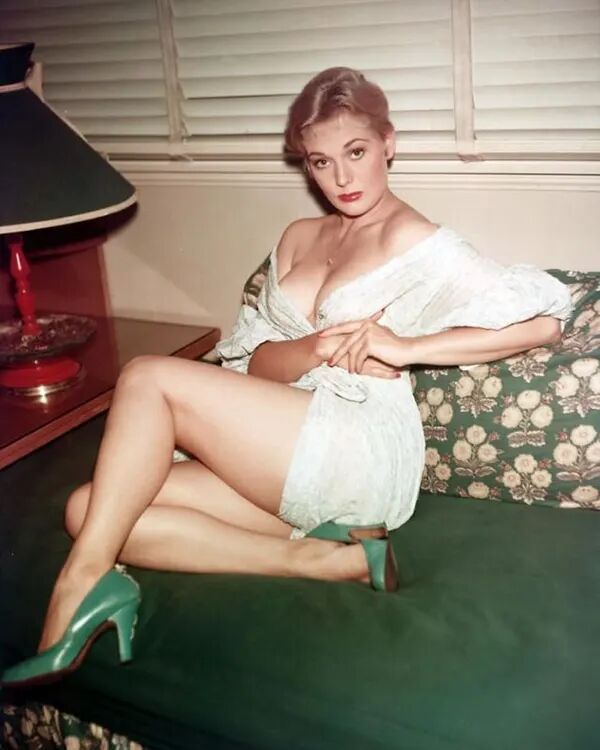
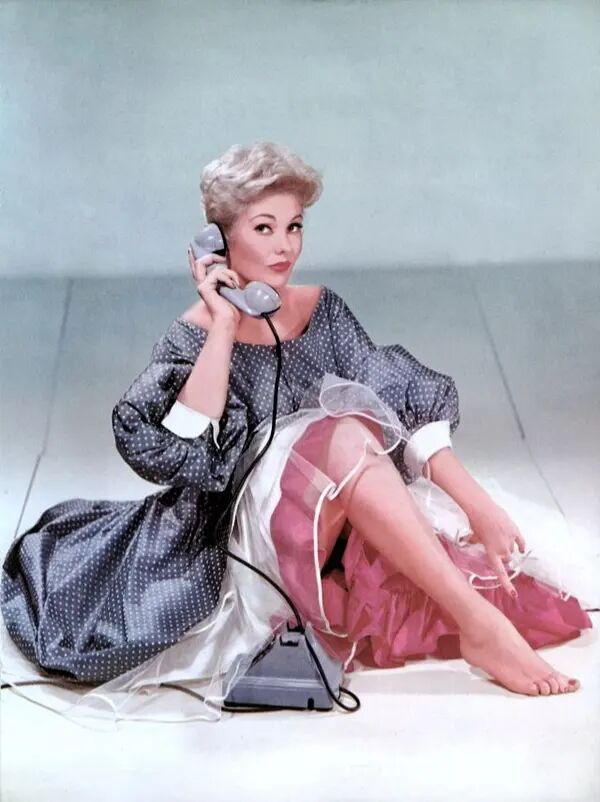
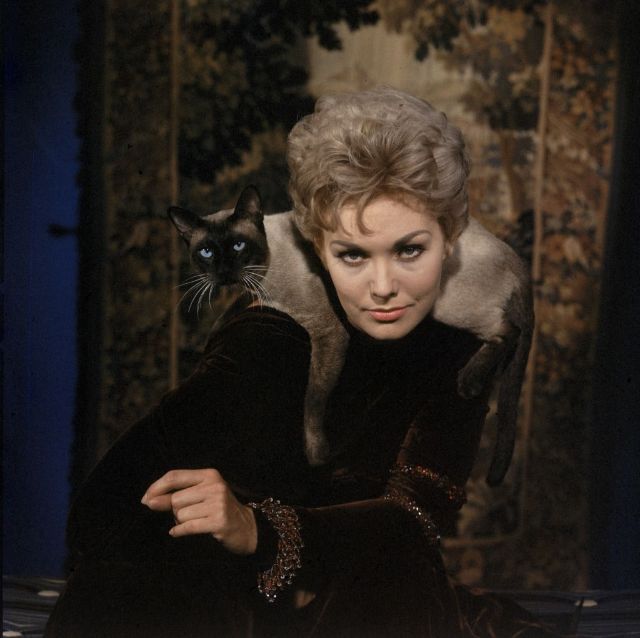
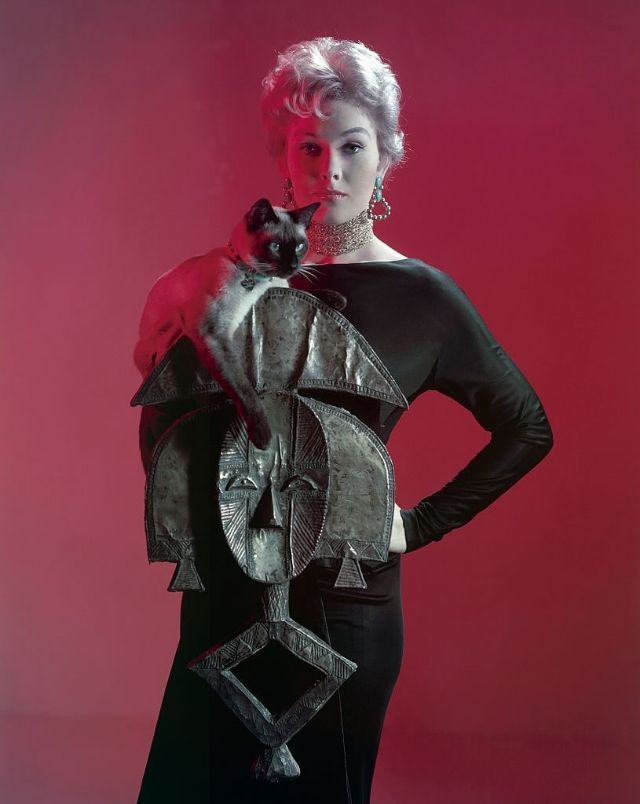
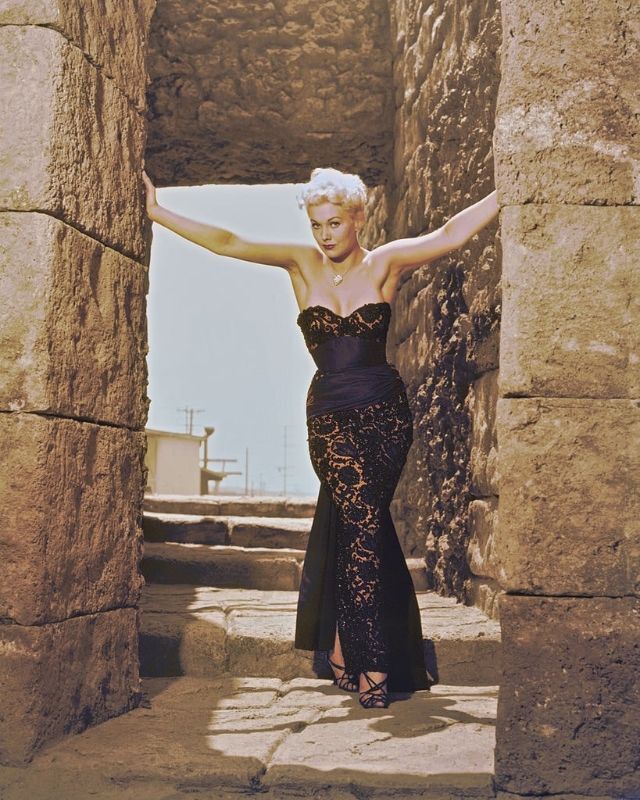
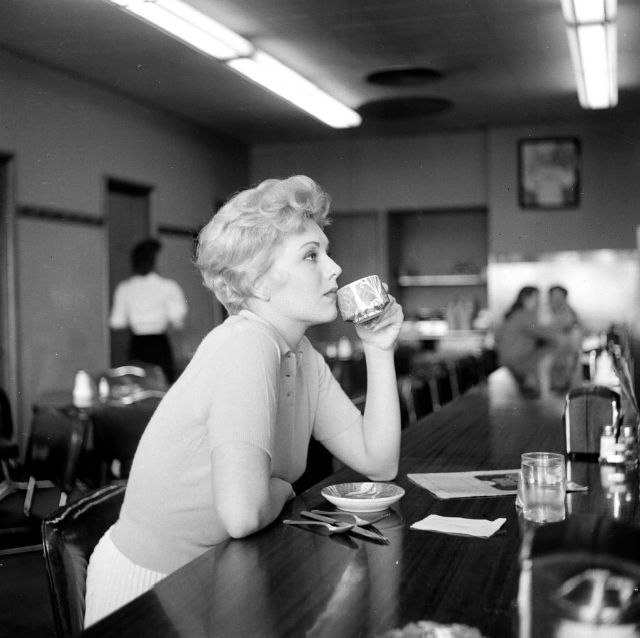
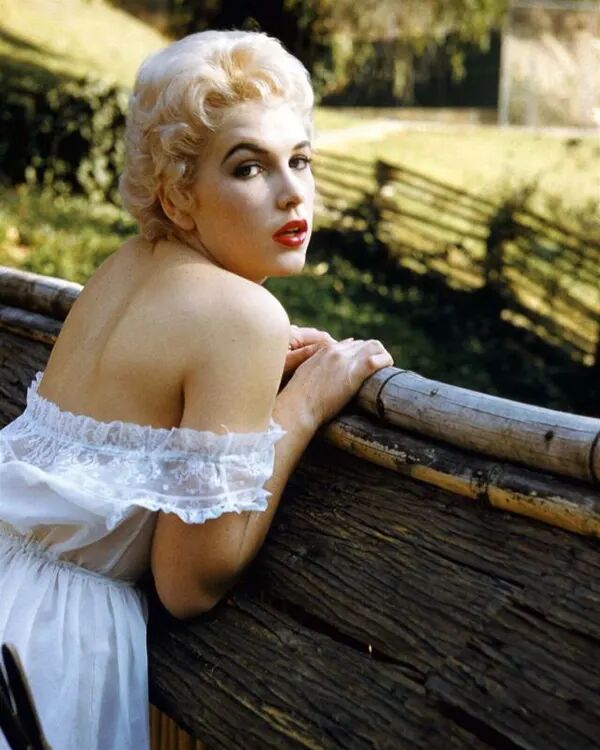
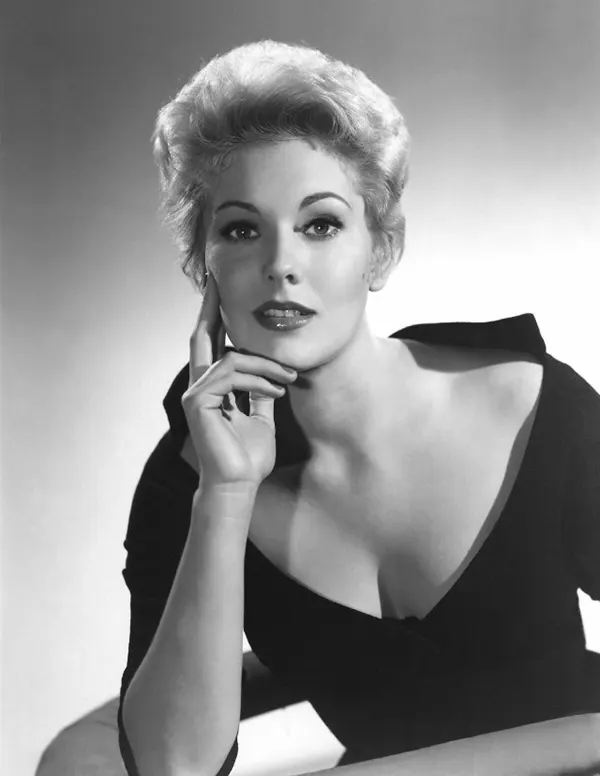
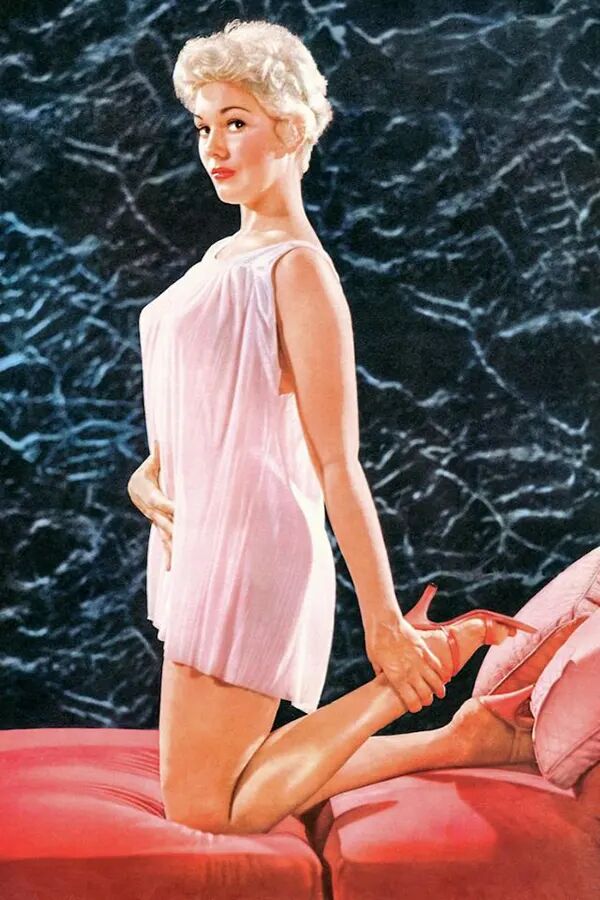
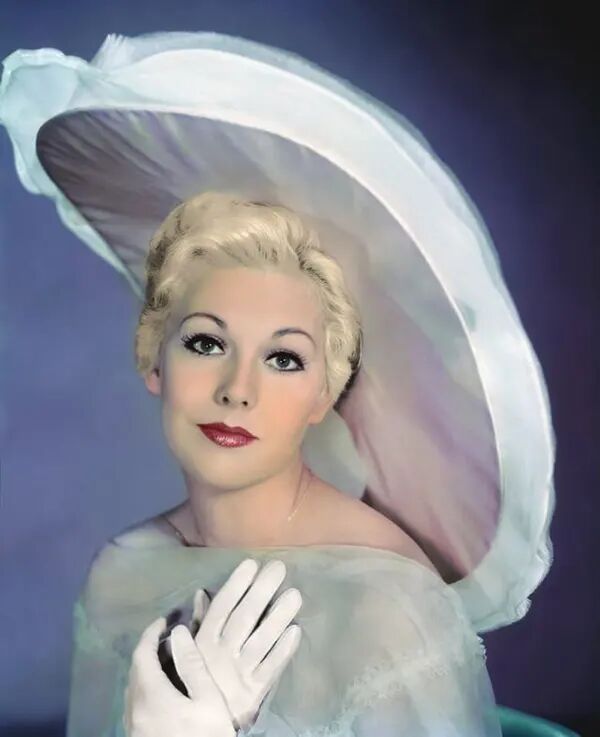
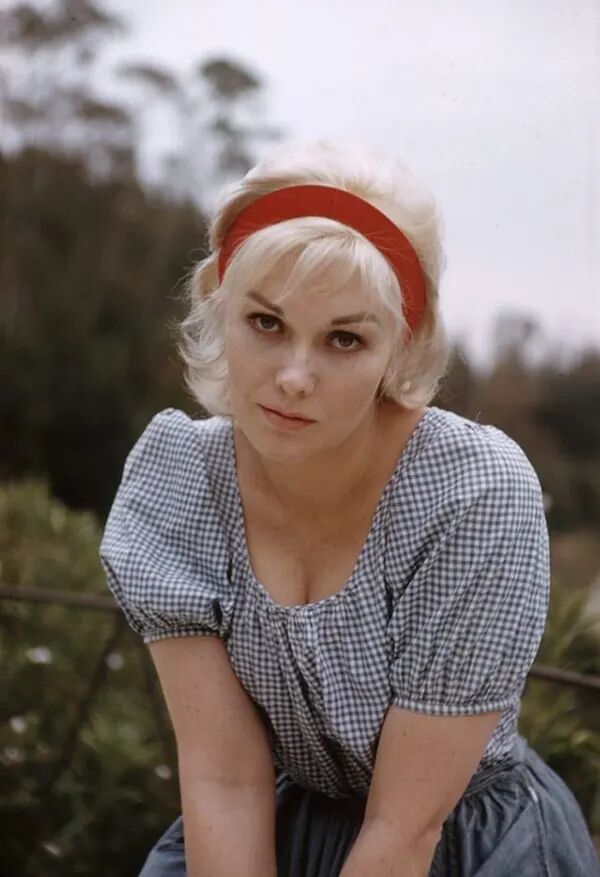
By the late 1950s, Novak was one of Hollywood’s most visible figures. Studio portraits and publicity photographs circulated widely, defining her peak years visually as much as cinematically. Yet these images resist the conventions of the era. Her gaze often appears guarded, her expressions unfinished. She does not offer the viewer reassurance. This quality gave her photographs a lasting tension, making them feel observational rather than performative.
That tension reached its most complex expression in Alfred Hitchcock’s Vertigo. Offered the role after Vera Miles withdrew, Novak entered the production without the director’s full confidence. Hitchcock remained distant throughout filming, providing little guidance and maintaining emotional detachment. Novak later described the experience as unsettling. The performance that emerged was fractured and ambiguous, defined by instability rather than coherence. Upon its release, Vertigo received mixed reactions and modest commercial success. Over time, its critical reassessment elevated it to one of cinema’s most influential works, with Novak’s performance recognized as central to its psychological depth.
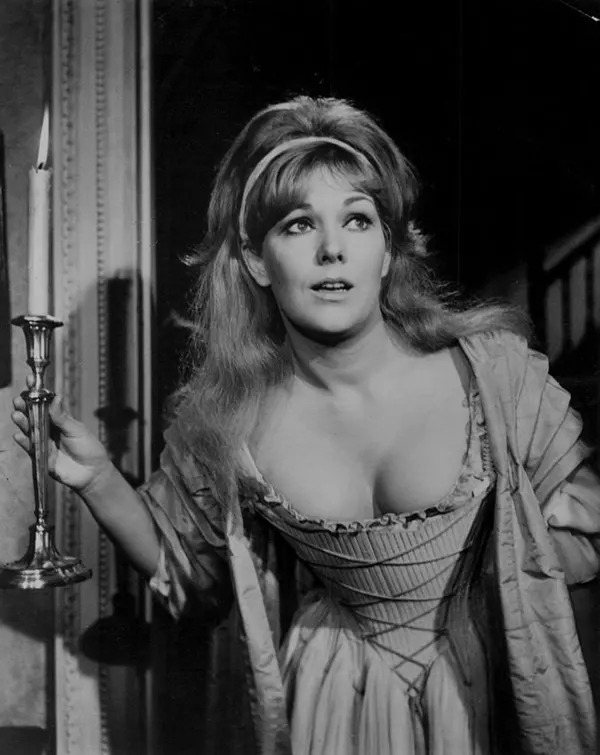
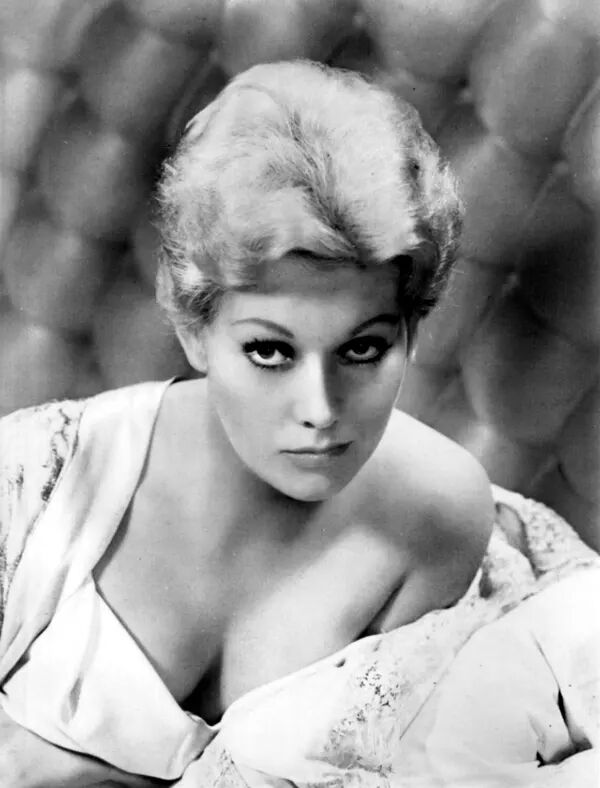
Despite continued prominence in films such as Bell, Book and Candle and Strangers When We Meet, Novak’s relationship with Hollywood became increasingly strained. The industry extended its authority beyond professional boundaries. Her personal life drew scrutiny and interference, most notably during her relationship with Sammy Davis Jr., which later accounts suggested was forcibly ended through studio pressure. The cost of visibility grew heavier than its rewards.
Still young, Novak withdrew. In 1966, she left Hollywood for Big Sur, choosing distance over continuation. Painting, horses, and isolation replaced schedules and premieres. Acting became occasional rather than defining. Later appearances, including The Mirror Crack’d and a role on Falcon Crest, felt like brief acknowledgements rather than returns.
Her life eventually settled far from the industry that once attempted to contain her. After a short marriage to actor Richard Johnson, she married equine veterinarian Robert Malloy and moved to rural Oregon, constructing a life structured around privacy and permanence.
The photographs from Kim Novak’s peak years endure because they record a resistance Hollywood never resolved. She is present without explanation, luminous without invitation. In an era built on certainty, her refusal to fully declare herself remains the most compelling evidence of her power.