There is something strangely liberating about a photograph that doesn’t quite work. A frame that misses focus, a hand that shakes, a shadow that intrudes where it shouldn’t. It’s not perfect, and that’s why it breathes. Perfection is a surface—polished, smooth, reflective—but it doesn’t hold you for long. Imperfection, on the other hand, is porous. It lets feeling seep through. It invites empathy. It reminds you that behind every image is someone trying to make sense of what they saw, what they felt, what they couldn’t control.
Photography and videography are both arts of control—of managing light, movement, and time. Yet what makes them powerful is not control, but surrender. A camera may freeze a moment, but it never freezes emotion cleanly. Emotion leaks through, always imperfect, always unfinished. That small leak is where the truth lives.
We spend years trying to eliminate errors—correcting focus, stabilizing shots, cleaning noise, matching tones. The modern eye is trained to expect flawlessness. We scroll through endless perfection—sharp portraits, cinematic color grades, steady footage—everything polished until it barely feels alive. But deep down, we don’t connect with perfection. We admire it, maybe envy it, but it doesn’t stay with us. What stays is the tremor—the hint of a human hand, the uncertainty, the vulnerability in a frame that didn’t go as planned.
There’s a kind of loneliness in perfection. It creates distance. A flawless image demands nothing from the viewer; it closes itself off. But imperfection opens a door—it allows us in, invites us to feel, to relate. A small mistake says, “I was here, and I tried.” And that’s all art has ever been—a record of trying.
When I think of the images that moved me most—Daido Moriyama’s high-contrast streets, Nan Goldin’s tender chaos, Tarkovsky’s rain-streaked windows—I realize how unpolished they are. The grain, the blur, the fog, the crackle of old film—they aren’t flaws to fix, they’re evidence of life. They’re reminders that art doesn’t emerge from precision but from presence. You can fix an image, but the more you fix it, the more it loses its heartbeat.
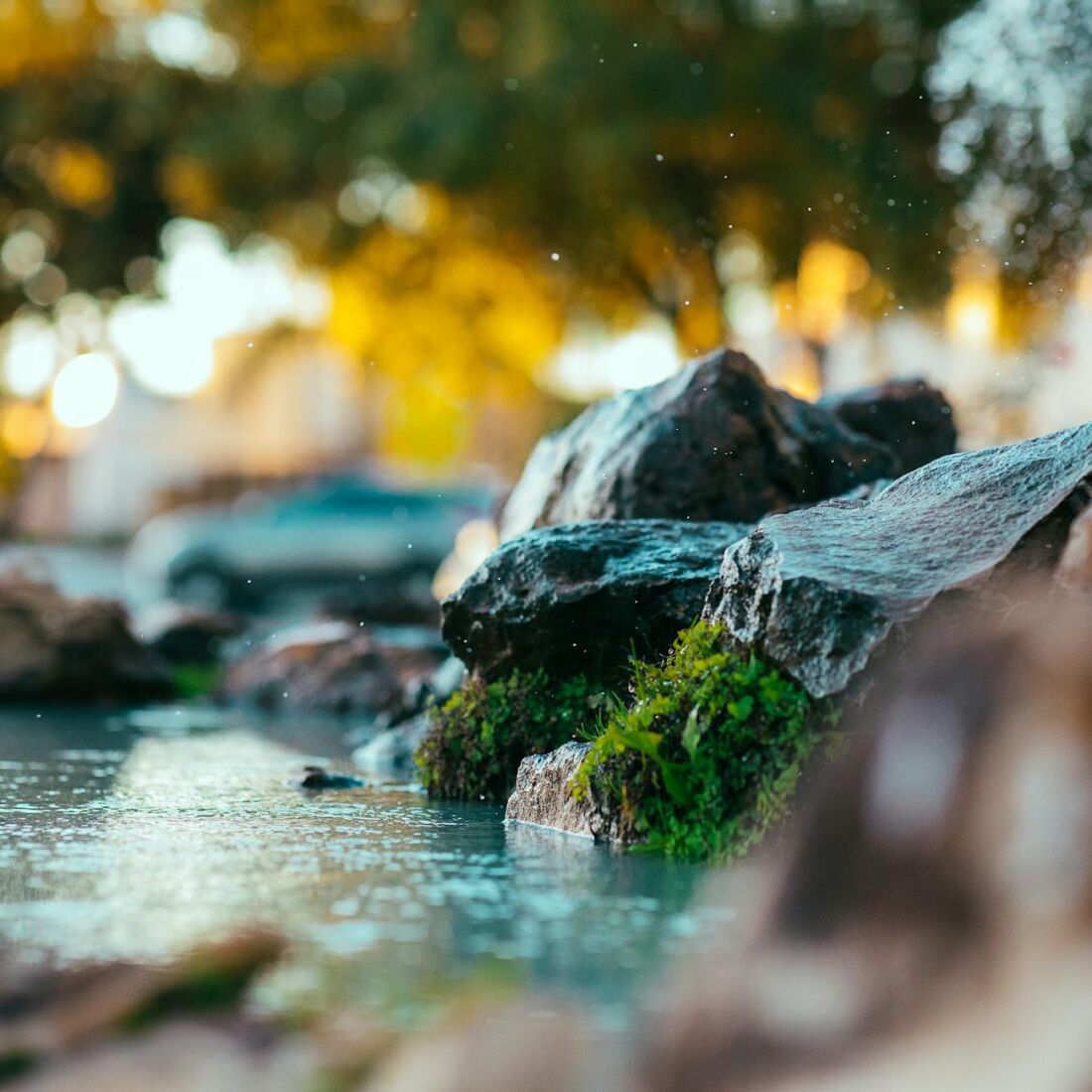
Imperfection is also the language of memory. Memory never plays back in high definition. It fades, skips, softens the edges. A photograph that’s too perfect feels like fiction; a flawed one feels like recollection. That’s why we’re drawn to old film textures, light leaks, and analog randomness—they remind us that we used to live before perfection became a goal. They remind us that life was once uncorrected.
In videography, imperfection is rhythm. Think of handheld motion that sways with breath, the quick zoom that feels alive, the unplanned cut that shifts emotion unexpectedly. Perfection would smooth it all out, but then the energy would disappear. The camera trembles like a pulse—it’s alive because the person holding it was alive. The best filmmakers—Wong Kar-wai, Cassavetes, Varda—knew this. They used imperfection as emotional texture. The camera’s movement wasn’t a flaw; it was part of the story’s heartbeat.
Some of my favorite moments behind the camera have been mistakes. A focus that fell on the wrong subject, and yet captured something purer. A beam of light that ruined the exposure but made the scene unforgettable. Once, while filming, my tripod slipped slightly, and the frame tilted just enough to make the subject feel isolated—something I hadn’t intended, but later realized it said more than a perfect frame could. The best moments in creative work often arrive uninvited. You just have to be open enough to notice them.
But imperfection is not only about aesthetics—it’s also a philosophy. To chase imperfection is to accept that art mirrors life, and life itself is imperfect. No one’s story is neatly framed, evenly exposed, or well-timed. We stumble, we misjudge light, we lose moments. The camera becomes honest when we stop forcing it to lie. That’s when it begins to tell stories that matter.
There’s a quiet kind of courage in showing flaws. When photographers leave in the grain, the noise, the rawness—it’s not laziness; it’s honesty. It’s an understanding that beauty and truth don’t always align. Sometimes a photo hurts because it’s too clean, too distant from how it felt. Sometimes you want to feel the roughness, the dirt, the sweat—the texture of being there. The frame isn’t supposed to be perfect; it’s supposed to be real.
I remember once, during a documentary project, I shot an entire sequence with a lens that had a slight fungus inside. I didn’t realize it until later. The footage had a haze, a strange glow, like memory itself fogged the scene. For a moment I thought it was ruined. But when I looked again, the imperfection gave it something I couldn’t have designed. It made the footage more human. It felt like how that moment actually was—uncertain, nostalgic, fading even as I tried to capture it. I stopped seeing the flaw as a failure. It was a gift.
There’s a term in Japanese aesthetics—wabi-sabi—the beauty of imperfection and impermanence. It’s about seeing grace in what’s incomplete, transient, or worn. A cracked bowl, a faded photograph, a frame that’s just slightly off-balance—all carry a different kind of truth. Photography and videography, at their best, are wabi-sabi acts: they record the moment just as it slips away.
In the chase for perfection, we risk losing spontaneity. The more we rehearse, the less we see. The more we edit, the less we feel. The photograph that changed your life probably wasn’t perfect. It was probably rushed, accidental, flawed. That’s what made it real. There’s a saying among filmmakers: “You can have perfect or alive, but rarely both.” The great ones choose alive.
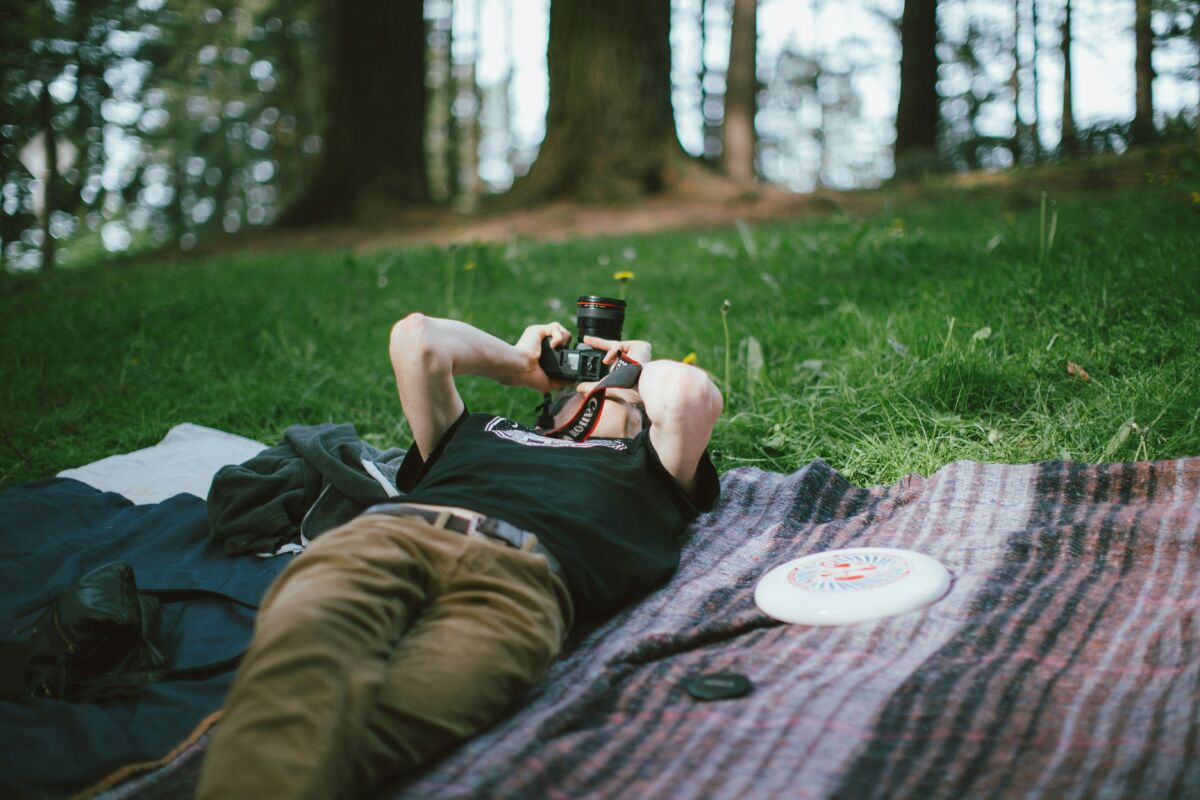
In today’s world, imperfection is rebellion. We live in an era where images are polished to death—faces smoothed, colors graded, skies replaced. The tools we have can erase every trace of humanity. So to keep the flaws, to let the noise live, to leave the hand of the maker visible—that’s radical. It says, “This was made by a person, not a machine.” And that reminder matters more than ever.
Maybe that’s why analog is resurging. It’s not nostalgia—it’s resistance. It’s a return to touch, unpredictability, and trust. Shooting film, or using old lenses, is not about rejecting progress. It’s about grounding yourself in imperfection, letting light behave freely again. Every frame becomes a conversation, not a command. You don’t always know how it’ll turn out, and that’s the point. That uncertainty keeps the act of creation alive.
I sometimes think about what it means to fail beautifully. There are images I once hated—frames that felt clumsy or incomplete. Over time, they’ve become my favorites. They remind me who I was when I took them—uncertain, curious, learning. The flaws tell the story of growth more honestly than any polished image ever could. Our mistakes, in art and in life, are not detours—they’re the path itself.
When I teach or share with other photographers, I often see that fear: the fear of being imperfect. The hesitation to show unfinished work, to experiment, to break rules. But photography isn’t a test. It’s a language, and like all languages, its beauty comes from irregularities. Accent, tone, rhythm—all the small imperfections that make it human. The camera only translates what you allow it to. If you chase perfection, your images might become accurate, but they’ll stop being alive.
Videography makes this even clearer. Watch a perfectly choreographed commercial and then a rough handheld documentary—one impresses, the other lingers. Perfection pleases the eye; imperfection touches the soul. In the tremor of the lens, you feel the filmmaker breathing. In the uneven focus, you sense the human hand trembling between control and chaos. The emotion lives there, in that unsteady space.
And yet, imperfection demands awareness. It’s not about carelessness. It’s not about rejecting craft. It’s about intention—knowing when to stop fixing, when to let the photograph be. True mastery is not about perfection; it’s about restraint. Knowing that if you clean something too much, you might wash away its heartbeat.
Sometimes I look back at my older work and see technical errors everywhere—bad exposure, off composition, lens distortion—but I also see more soul. Those images were made with urgency, not strategy. They weren’t safe. They felt alive because they were trying too hard to hold on to something fleeting. Somewhere along the way, as we get more skilled, we start protecting ourselves from mistakes—and in doing so, we protect ourselves from wonder.
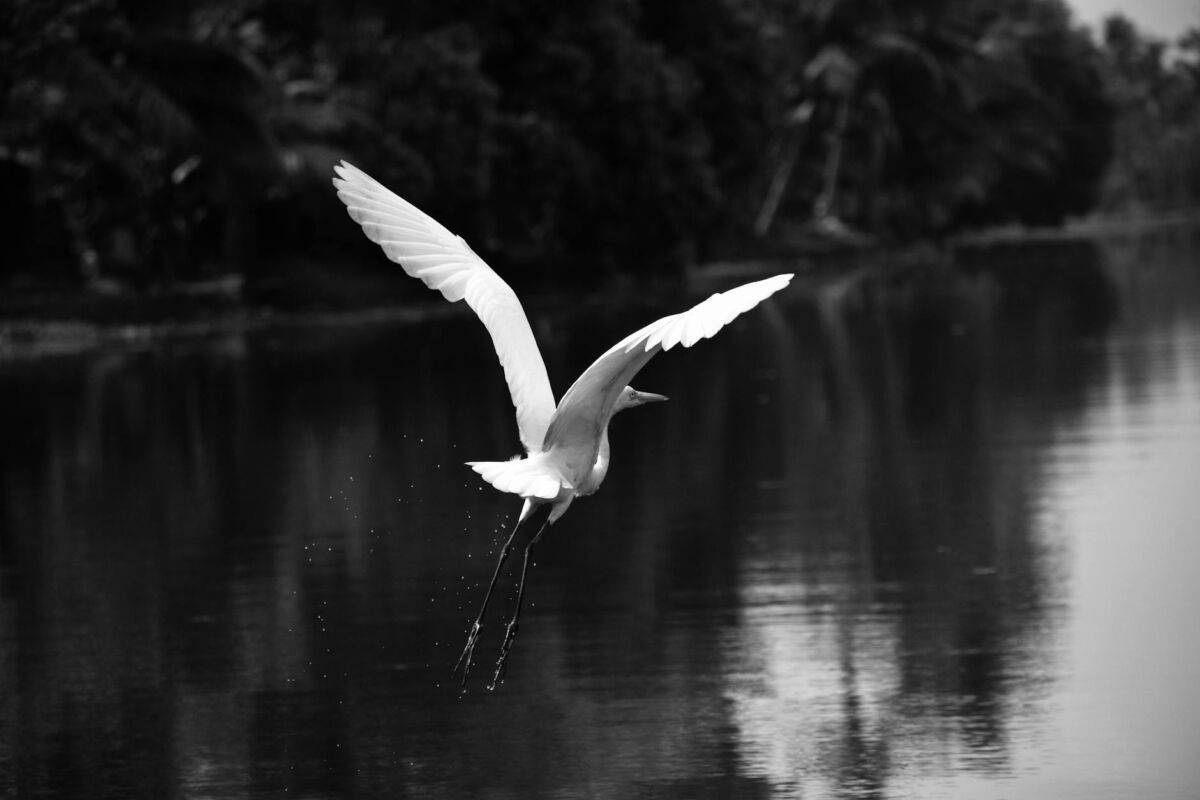
To chase imperfection is to stay vulnerable. To admit you don’t control everything, that you never fully understand what you’re seeing, but you’re still drawn to capture it. It’s an act of humility. And maybe humility is what separates art from performance. The imperfect artist says, “I’m here, I’m learning, and this is what I saw.” The perfect one says nothing.
In an age where AI can produce flawless images in seconds, imperfection might be the last thing that feels truly human. A small error will become proof of authenticity. The way handwriting distinguishes one person from another, our flaws in seeing will define us as artists. Maybe the future of photography will not be about sharper sensors, but about softer eyes. About letting images carry emotion instead of precision.
There’s something profoundly human about the unfinished. Every frame we make is a conversation that will never end, a sentence left open. We try to close it, to perfect it, but the best work refuses to be finished. It keeps breathing. That’s what imperfection gives us—continuity. It lets the photograph remain alive long after it’s made.
In the end, chasing imperfection is chasing truth. It’s acknowledging that life doesn’t need retouching to be meaningful. The world isn’t waiting to be fixed; it’s waiting to be seen. And seeing, truly seeing, requires accepting the blur, the noise, the chaos, and still finding beauty in it.
Maybe that’s all we’re ever trying to do—capture a little piece of our human mess before it fades. Not perfectly, but honestly. And if there’s any perfection worth chasing, it’s that.