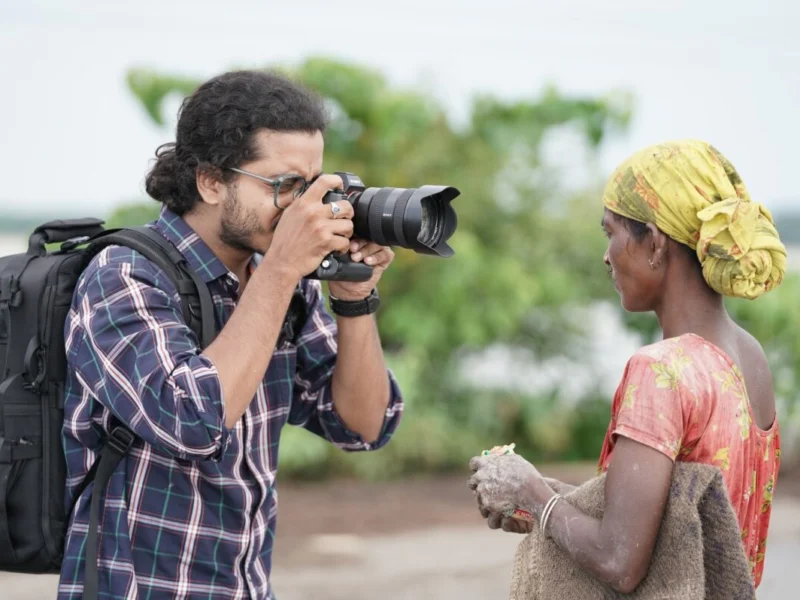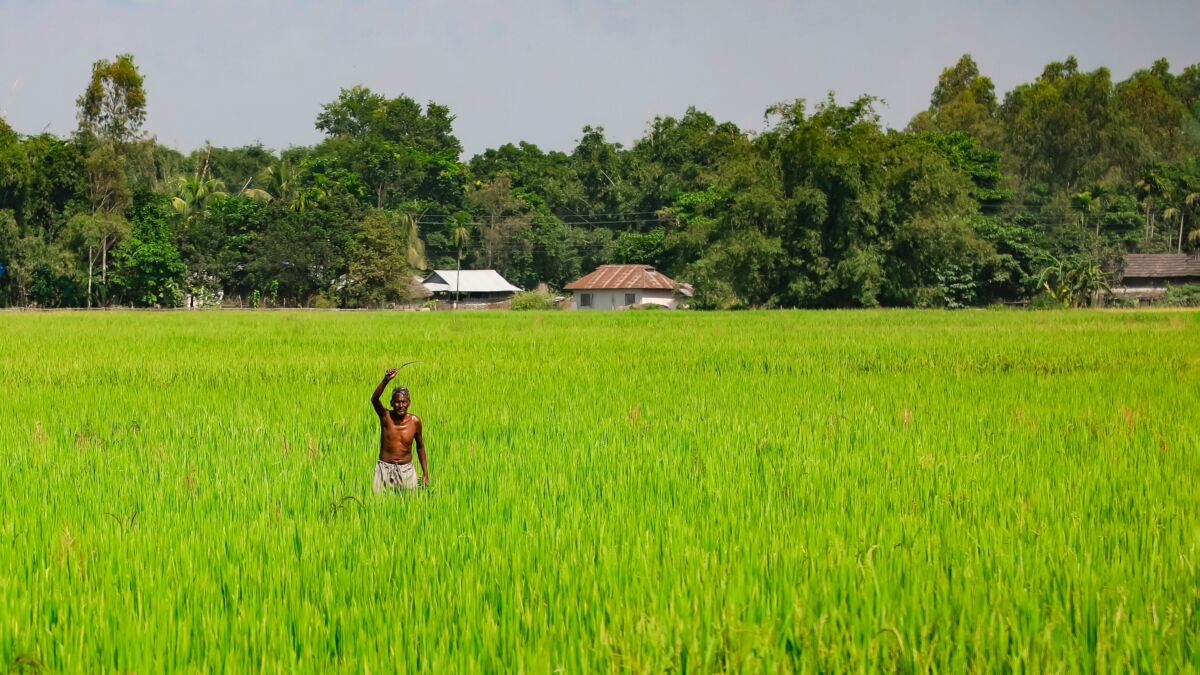
There was a time when villages in India carried the sound of labor and laughter like a heartbeat — steady, rhythmic, familiar. The smell of wet earth mixed with smoke from clay stoves, and the air was heavy with a kind of calm that had no modern equivalent. Photographers once spoke of these places with reverence; they were landscapes of authenticity, where time seemed to walk barefoot. But today, when the camera returns, the stories it tells have changed. The lens no longer finds only tradition; it finds transition — the uncomfortable meeting of old and new, where identity struggles to survive.
The vanishing faces of rural India are not simply about people leaving for cities; they are about a disappearing way of being. The wrinkles that mapped years of sunlight and rain are now softened by LED light and forgotten tools. The farmer who once ploughed with oxen may now drive a motorcycle to his field, his son already working in a mall hundreds of kilometers away. The weaver’s loom sits unused as synthetic fabric floods the markets. The potter’s hands, once coated with red clay, now touch a smartphone more often than soil. The change is subtle, yet it alters everything — the gestures, the posture, even the silences of the countryside.
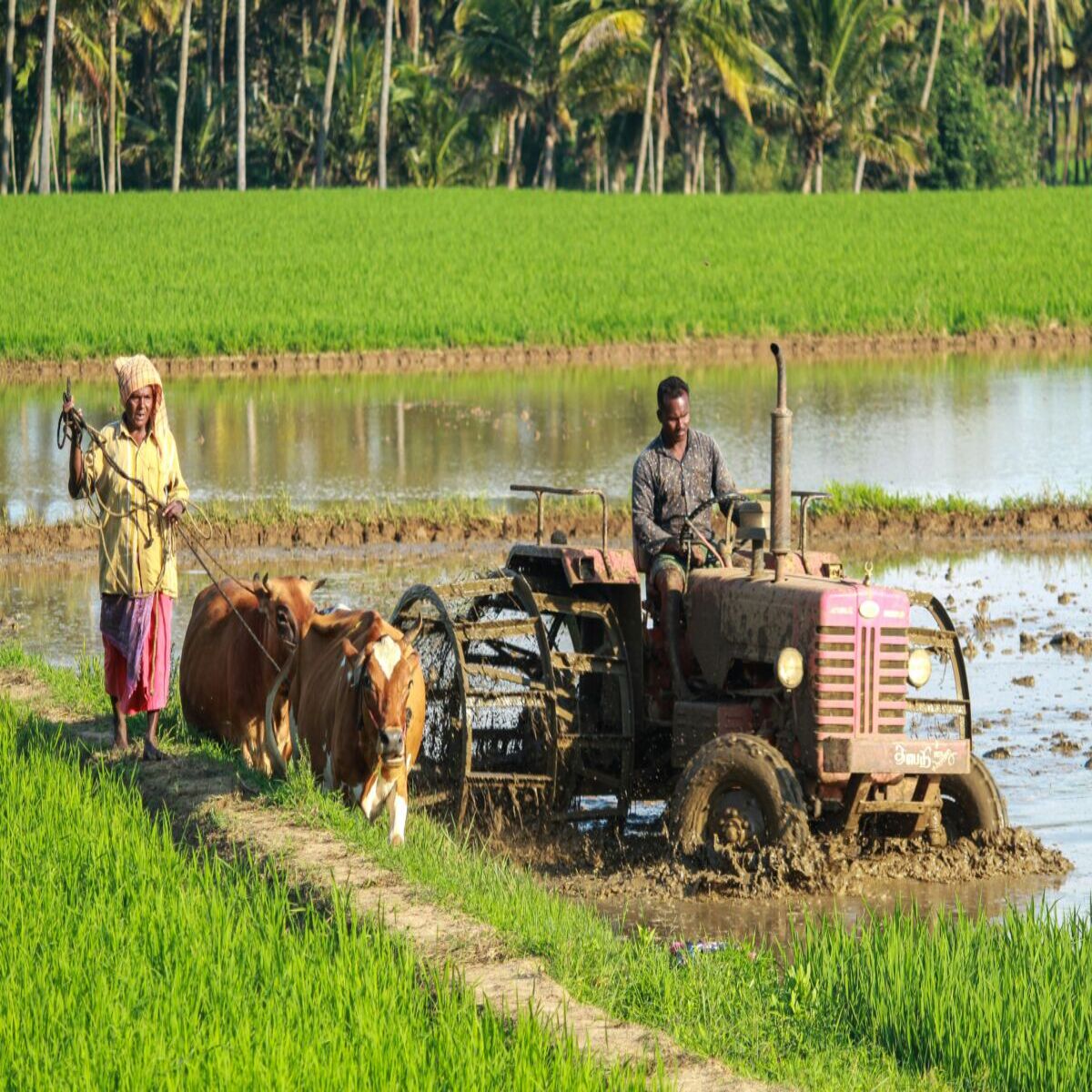
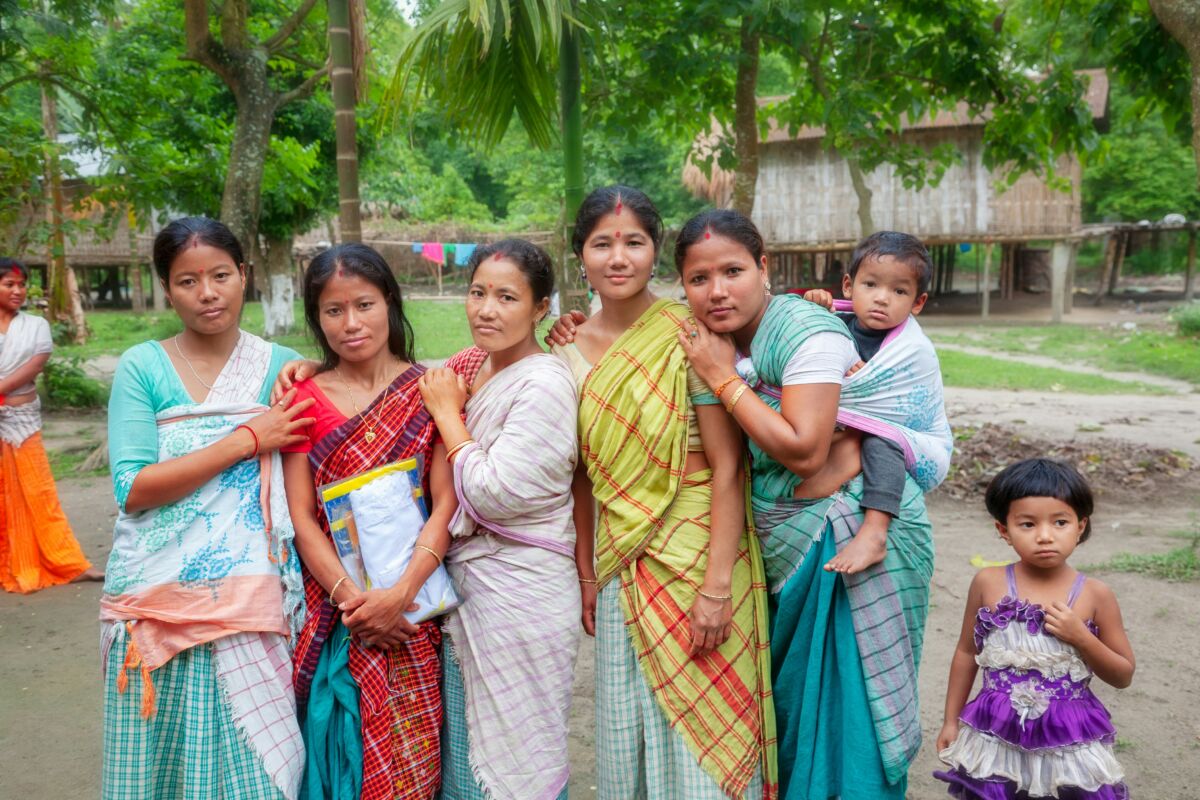
In photography, silence often speaks more truth than words. When you photograph a village today, the silence is different — it’s no longer the quiet of rest, but the pause between two eras. The older generation still stands like living monuments to another time, their faces holding stories that no longer have listeners. The younger ones, shaped by television and social media, already dream of leaving. They look toward the photographer’s lens not as witnesses of their world but as curious spectators, wondering what is so interesting about a place they’re desperate to escape.
The truth is that rural India has always been romanticized. Painters, poets, and photographers have long treated it as a pure, untouched landscape of moral clarity — the “real India,” as many liked to call it. But the “real” India is changing, and so is its truth. The nostalgia for simplicity often ignores the hardships that shaped those faces — the droughts, the debts, the quiet despair of survival. Yet even in that harshness, there was an unspoken dignity, a resilience that defined these communities. The modern age, in its pursuit of convenience and efficiency, often erases that quiet strength, replacing it with borrowed aspirations.
As roads stretch deeper into villages, connecting them to cities, they also carry away something invisible. With every bus that leaves carrying young workers to Delhi, Mumbai, or Bangalore, a piece of the village’s collective memory departs too. Festivals once celebrated as community rituals become smaller, shorter, or commercialized for tourism. Folk songs once sung to mark the harvest are replaced by loudspeakers blaring film music. Even the act of storytelling — once passed through voice and gesture — now competes with phone screens and network towers. The rural voice, once full of rhythm and breath, is turning digital.
Photographers who travel to the heart of India today often find themselves torn between beauty and disappearance. The frame is still beautiful — a child running barefoot through dust, an old man sitting by a banyan tree, a woman washing clothes by the river — but the context is fragile. Behind every beautiful frame lies the story of something fading. What looks eternal in a photograph might already be gone in life.
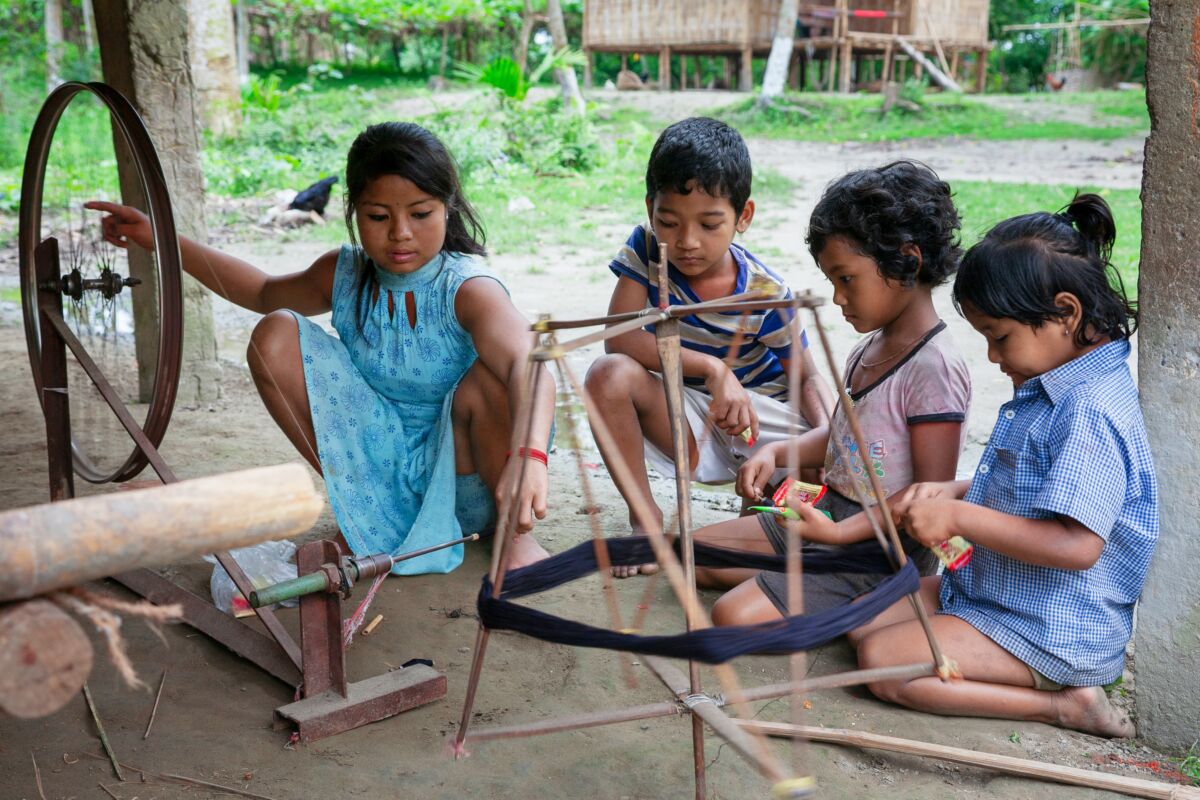
It’s easy to romanticize that fading world. But a more honest lens accepts that change is inevitable, even necessary. Progress, after all, brings roads, electricity, education, and healthcare — things every human deserves. The problem is not change itself, but what kind of change is chosen, and at what cost. When development imitates the city without understanding the village, it builds walls instead of bridges. It replaces self-sufficiency with dependency, and rootedness with restlessness.
There was once pride in being from a village — an identity tied to land, craft, and community. Today, that identity often feels like a burden. Children hide their rural roots when they reach cities, polishing their accents and dreams to fit in. The word “village” is still used in advertisements to sell authenticity, but few who live there can afford to stay authentic anymore. Even photography — once seen as a way to document truth — sometimes participates in this transformation, turning lived realities into visual nostalgia for urban audiences.
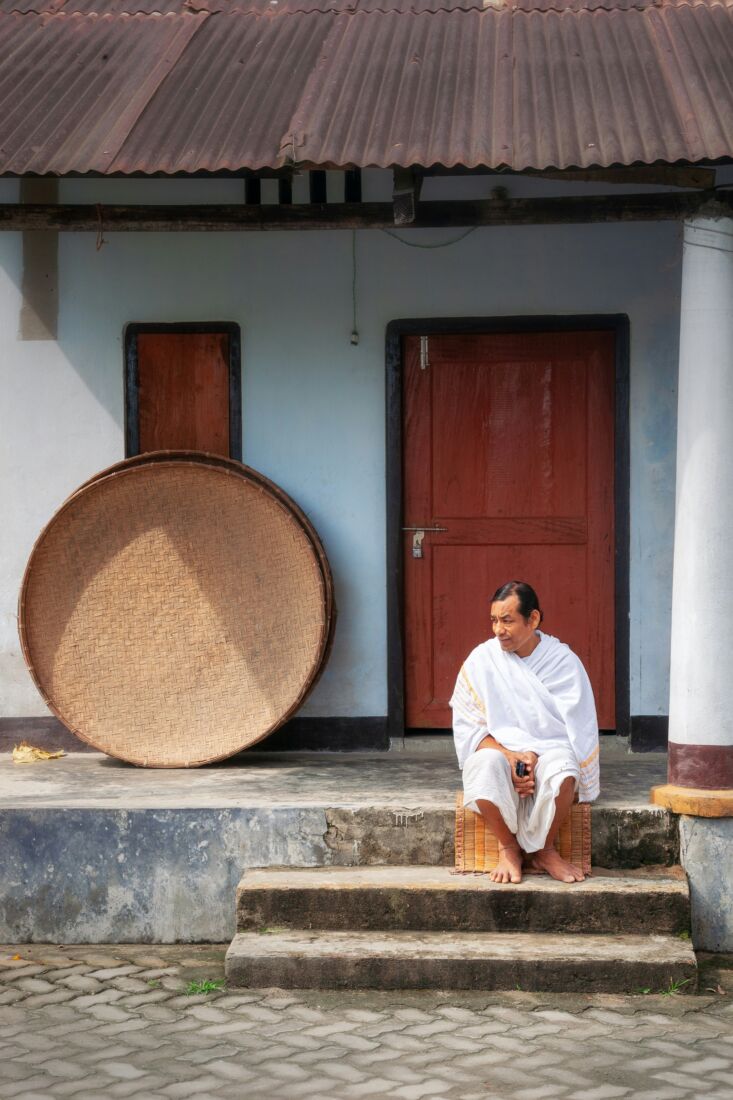
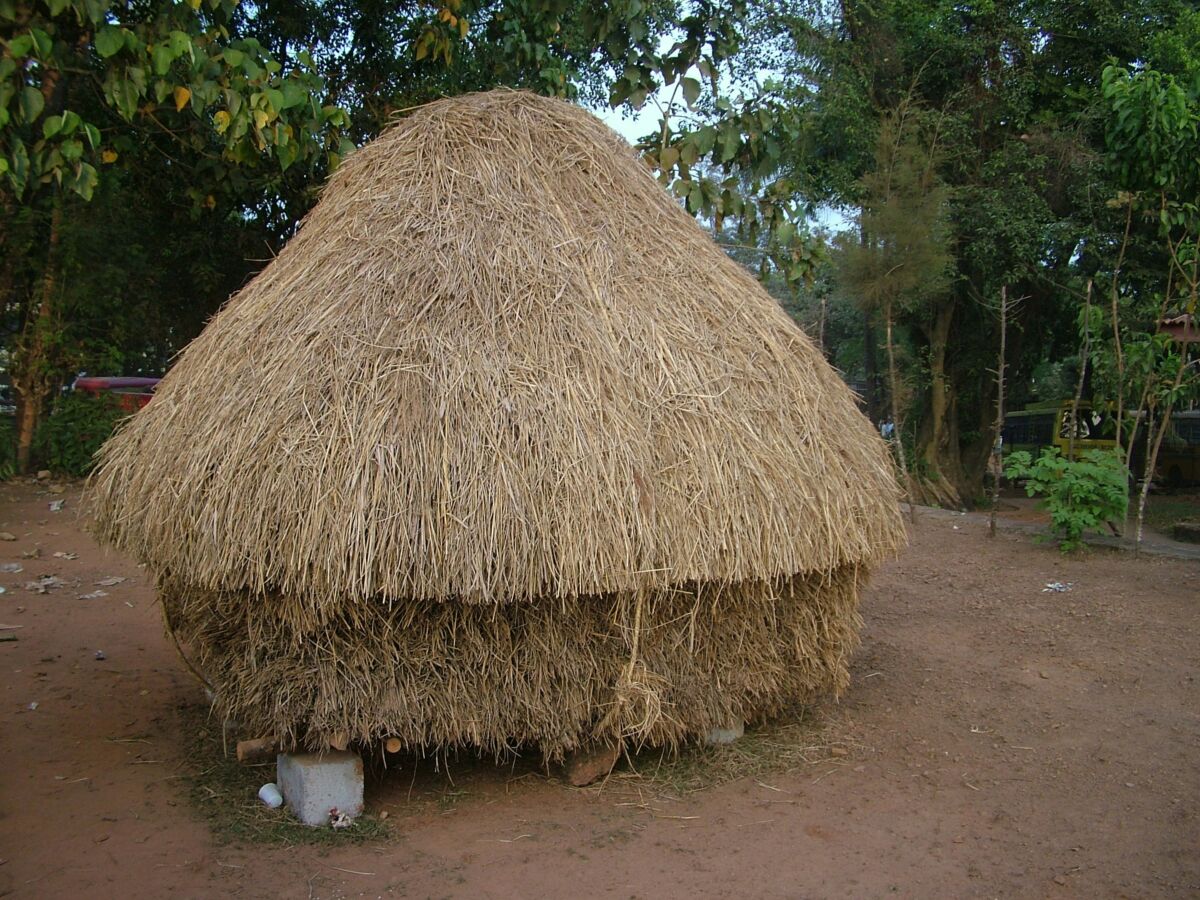
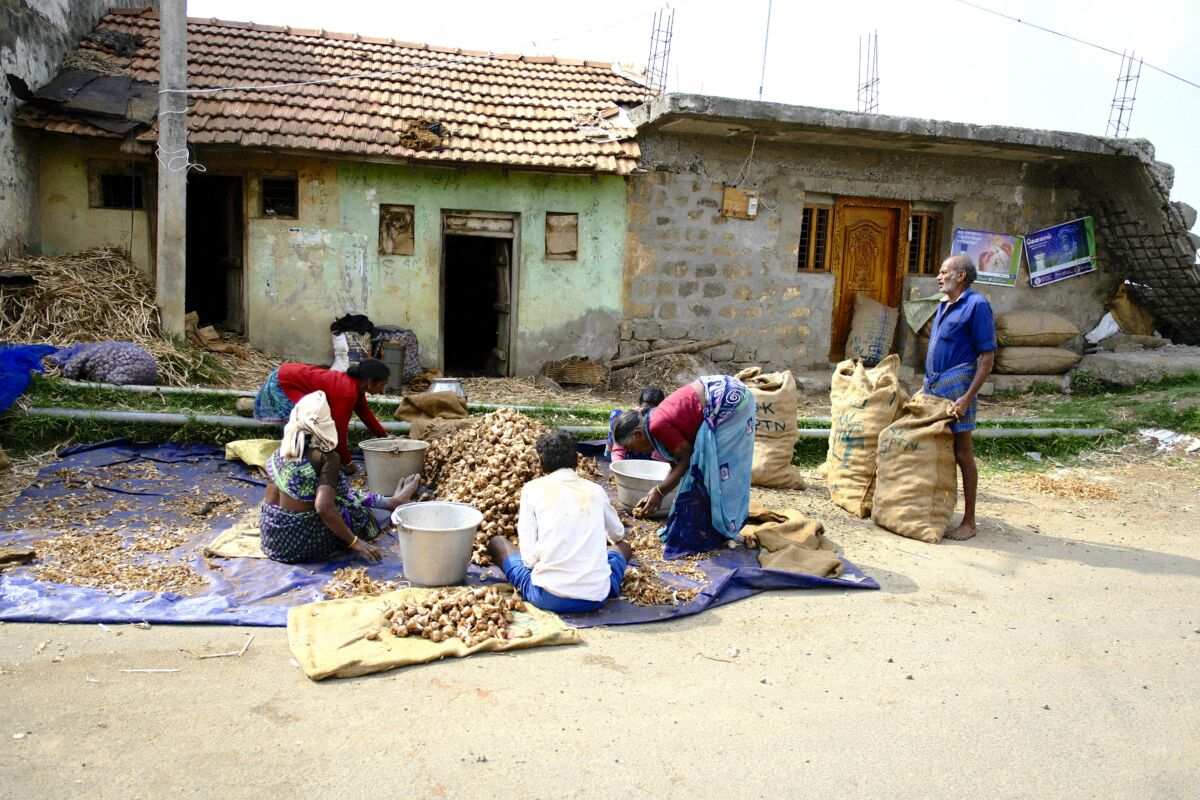
The faces of rural India that vanish aren’t only disappearing into cities; they’re also dissolving in meaning. The wrinkles, the hands, the eyes — they used to tell stories of endurance. Now, they’re interpreted as symbols of poverty or tradition, depending on who looks. In this process, the real humanity of these faces gets lost. The woman carrying water across the field was once a subject of admiration; now she’s either a “heritage figure” or a “backward image.” The photographer’s challenge today is to move beyond these binaries — to see not just what’s picturesque, but what’s real, evolving, and conflicted.
For those who still walk through villages with cameras, the journey becomes an act of listening. The photograph becomes less about taking and more about witnessing. The light falling on a farmer’s face, the silence of an abandoned house, the faded paint on a closed shop — they speak not of what was, but of what remains. These traces of time are fragile, but they hold truth. They remind us that progress can be measured not only by what we build but also by what we lose.
Rural India is not vanishing overnight; it’s transforming under the weight of its own contradictions. In one corner, a young woman uses a smartphone to sell homemade snacks online, combining tradition with technology. In another, an old craftsman closes his shop for good, unable to compete with factory goods. The fields that once stretched endlessly are now dotted with construction sites and billboards. Somewhere, an old man still tells stories to his grandchildren under a tree — but soon, that tree might be cut for a new road. These juxtapositions define the new rural India — a place where hope and loss coexist in every frame.
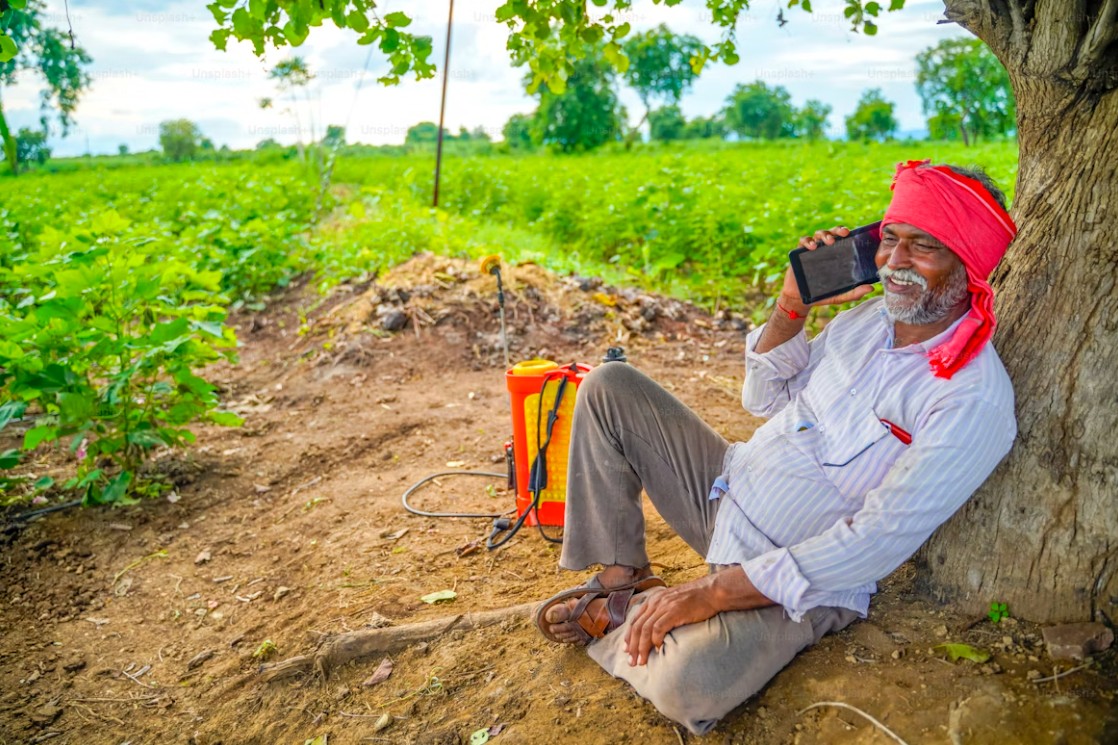
For photographers, this in-between world is both a gift and a responsibility. Every image taken now becomes historical faster than ever before. The photograph of a hand-woven mat, a local fair, or a face lined with sunlight might, in a few years, serve as the only record of a disappearing way of life. That’s the quiet urgency behind the lens — to document not for nostalgia but for memory, not for beauty but for understanding.
The irony is that rural India, for all its transformations, remains the heart of the country’s identity. Its soil still feeds millions, its traditions still shape festivals, and its rhythm still beats beneath the noise of urban expansion. What vanishes is not the place itself but the continuity — the unbroken thread that once connected generations. The challenge now is not to resist change but to ensure that the thread doesn’t snap completely. Photography, in this sense, becomes a form of remembrance — not just of faces, but of values, gestures, and shared silences.
When a photographer returns from a village, what remains on the memory card are fragments — portraits of people who smiled shyly, landscapes where dusk seemed eternal, textures that spoke of time. But beyond the images, there’s an ache — the realization that each photograph is both preservation and farewell. Every frame says, “this is still here,” while whispering, “it may not be for long.”
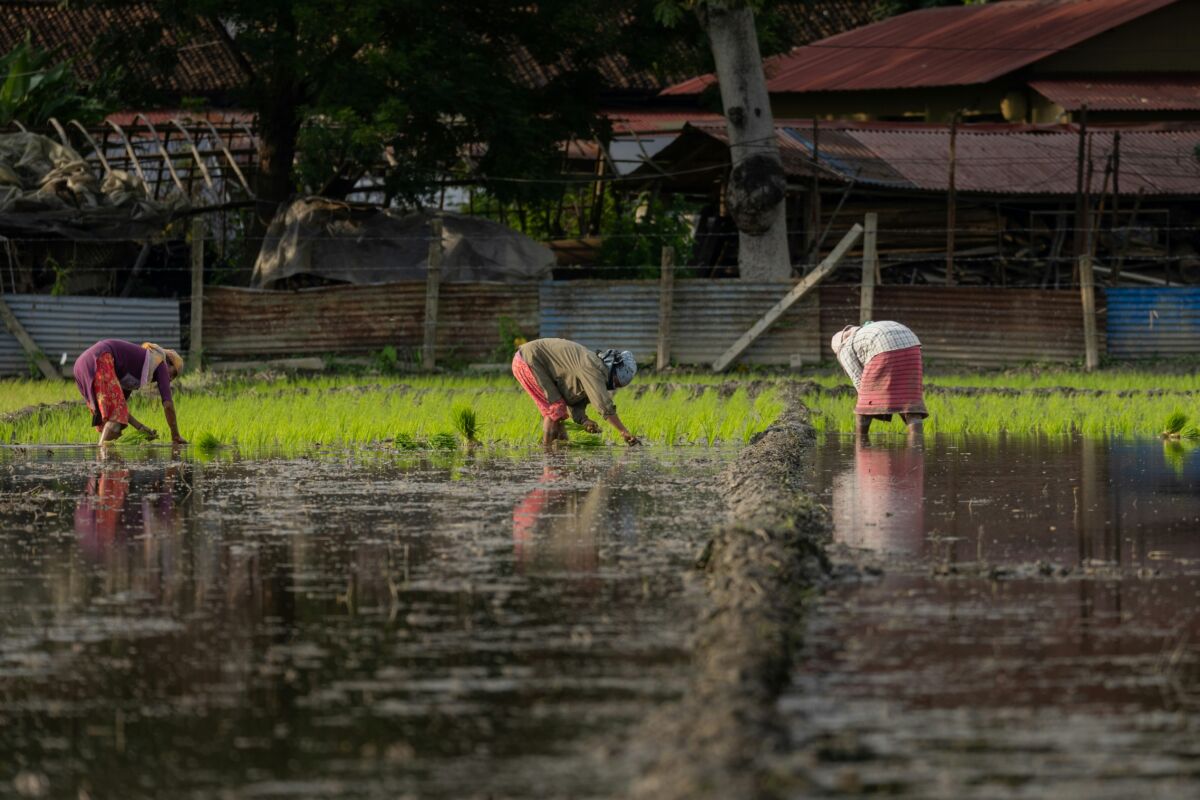
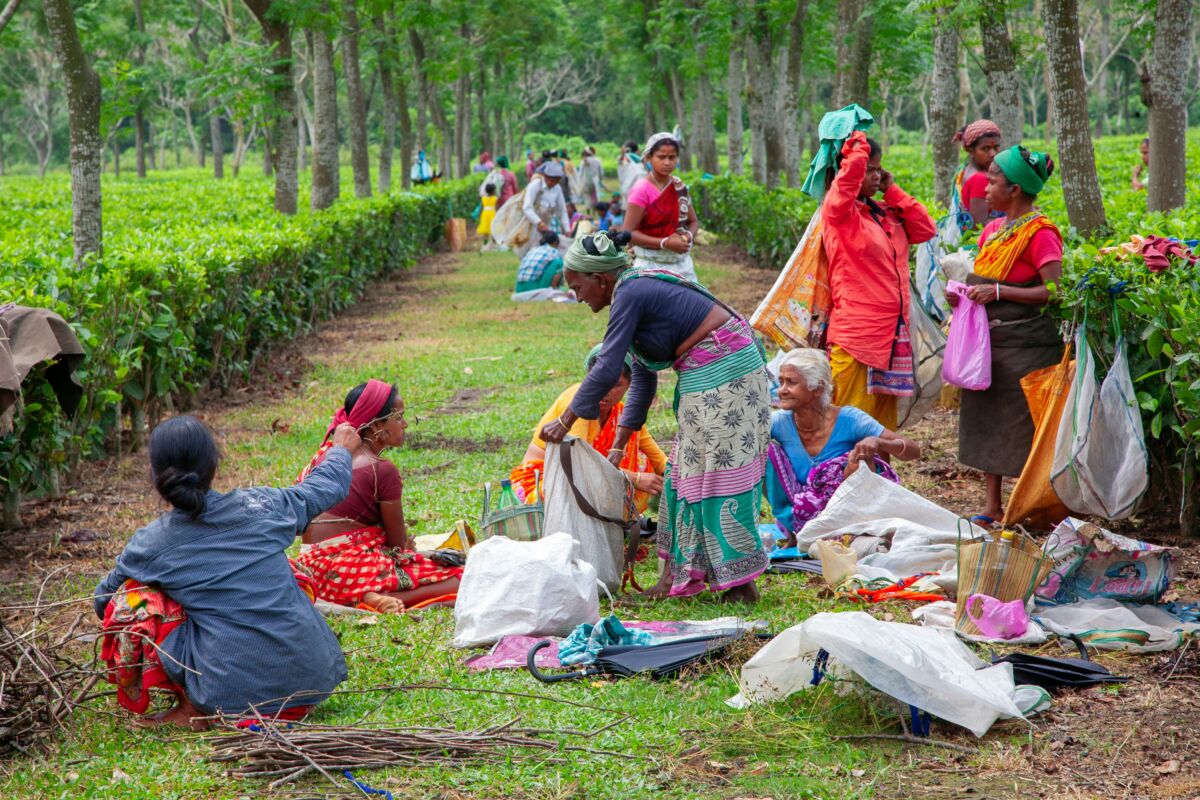
In a few decades, rural India may look very different. The houses will have satellite dishes, the fields may be fewer, and the dialects may fade into standardized language. But somewhere in that transformation, a trace of the old will persist — in gestures, in songs, in faces that remember. The photographer’s task is not to mourn the past endlessly, but to notice these traces before they’re gone — to record not only what’s disappearing, but also what’s enduring.
There’s beauty in this transition, if one looks closely enough. The boy who once watched his grandfather plough now uses a drone to film the same field. The girl who once walked miles for school now studies online under a single solar bulb. These images tell a different kind of rural story — not of loss alone, but of adaptation, resilience, and redefinition. The faces are changing, yes, but perhaps they aren’t vanishing completely. They’re learning new ways to survive in the light of a new age.
Still, the photographer’s heart will always return to that older rhythm — to the quiet fields, the raw laughter, the unposed humanity that once defined the Indian village. The lens, no matter how advanced, will keep searching for those moments that feel real, unfiltered, human. And maybe that’s what matters most — not freezing a perfect past, but recognizing the soul of a place as it continues to evolve.
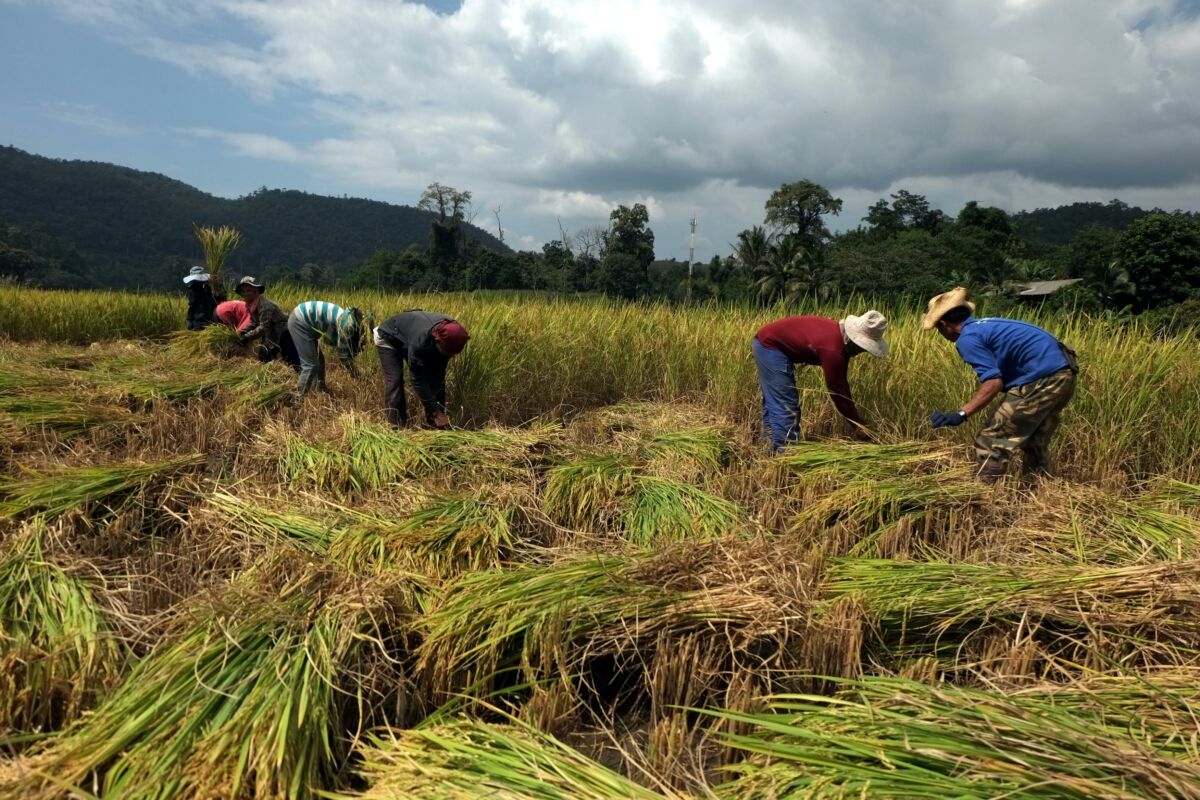
Because somewhere between the old and the new, between memory and progress, between the faces that fade and those that remain — there lies the essence of rural India: not vanishing, but changing its form, waiting for someone to look deeply enough to see it.