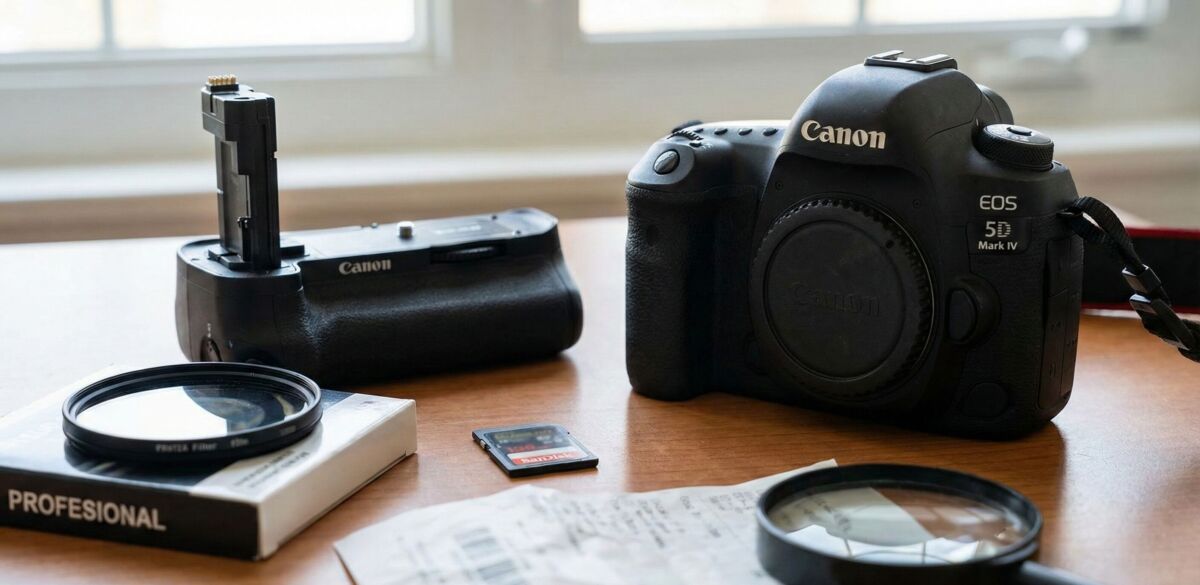
The world of photography has changed so much in the last decade that people now buy most of their gear online. It is simple, fast and comfortable. A link leads to a product, a quick search shows a few reviews and the checkout feels like nothing. The trouble begins when the product that arrives looks exactly like the real thing but is not. The market for fake camera accessories has grown quietly and most photographers do not notice until something stops working or becomes damaged beyond repair. The biggest risk is that these fakes do not always look cheap. They can feel well made, they can come in clean packaging and they can fool people who have been shooting for years.
The most common issue comes from counterfeit camera batteries. Every working photographer carries extra batteries. They are essential for long shoots, events, weddings and assignments where power drains fast. This need creates a simple opportunity for sellers who offer cheaper batteries that look exactly like the branded ones. The labels are copied, the barcodes match and the design feels close enough to fool the eye. Many photographers buy them thinking they found a good deal. They insert the battery, it works for a while and the problem goes unnoticed. But inside the battery the story is different. The cells are cheaper, the circuits are weak and the protection layers are missing. This makes the battery unstable. It heats quickly, it drains fast, and in some cases it swells inside the camera.
A swollen battery can damage the internal chamber of the camera. It can push against sensitive parts that were not designed to handle pressure. It can also leak chemicals that leave permanent marks. A bad battery can fail during a long shoot and cause the camera to shut down at the worst moment. Photographers who shoot weddings or important events know what that kind of failure means. It is not only the camera that suffers. The moment is lost forever. This is one of the reasons fake camera accessories have become a quiet threat in the photography world. They do not break everything at once. They slowly weaken the tools that people depend on.
Chargers are another hidden danger. Many online sellers offer replacement chargers that look close to the originals. They promise fast charging and universal compatibility. The truth is that many of these chargers do not regulate power properly. They push too much heat into the battery or they fail to control voltage. A battery that charges too fast can wear out quickly and lose its lifespan. A charger that has no real safety system can send unstable current to the camera battery. This is how cameras start showing unusual behaviour. They freeze, they shut down in the middle of recording, or they show inconsistent power readings. Many photographers blame the camera when the real issue is the fake charger that has been slowly damaging the battery over time.
Memory cards also suffer the same problem. There is a rising number of counterfeit cards in the market, especially from sellers who offer unusually low prices. These cards often show high capacity on the label but carry much lower capacity inside. A photographer shoots a full day thinking everything is safe, but when the card reaches its true limit it fails and the rest of the files become corrupted. The photographer then spends hours trying to recover the images, and sometimes they get nothing back. Fake memory cards also have slower writing speeds. They can cause video footage to skip, lag or stop recording. Some cameras stop the recording automatically when they detect a slow card, and this creates big problems for videographers who rely on smooth, continuous footage.
The trouble does not end with batteries, chargers and cards. Small accessories like lens hoods, filters, flashes and adapters are also copied. Fake filters look clean but use low quality glass that reduces clarity. They introduce a soft haze that the photographer might not notice immediately. Over time the images feel less sharp, and many people blame their lenses without realising that the problem sits at the front of the lens in the form of a cheap filter. Some filters also create colour shifts that make editing difficult. This is why fake camera accessories are more harmful than they appear. They do not break the gear. They slowly change the way the gear performs.
Lens adapters and third party accessory mounts can also be copied. These fake items usually lack proper alignment. A poorly aligned adapter can affect autofocus speed. It can create micro scratches on the camera mount. It can introduce tiny gaps that let dust enter the sensor chamber. A photographer may notice that the sensor gets dirty more often but never think the problem is the fake accessory attached to the mount. This is how damage builds quietly. Small particles begin to enter the camera and settle on the sensor. Cleaning becomes more frequent and expensive. Some sensors develop marks that do not go away easily. By the time the photographer realises the issue, the damage has already spread.
The market for fake gear continues because many people believe that photography accessories are simple items. They think a charger is a charger, a filter is a filter and a battery is just a battery. This mindset keeps the counterfeit market alive. The sellers know that people want affordable options, and they make products that look identical but cost less. The few extra coins saved today can turn into much bigger losses later.
Real accessories from trusted brands are expensive for a reason. They follow strict regulations. They go through testing. They are built to protect the camera, not harm it. A good battery has safety layers that stop overheating. A good charger controls voltage with precision. A good memory card maintains stable write speeds. A good filter uses proper coated glass. These small differences create real safety.
The rise of online shopping has made it difficult to recognise the difference. Many platforms allow third party sellers to list products without strict checks. Some sellers use fake reviews to build trust. Some write descriptions that look official. This creates confusion for buyers who cannot see or touch the product before purchasing. Many photographers think they bought a genuine accessory when they actually received a replica.
Some signs can help people stay safe. The first is the price. If a battery or card costs much less than the usual market rate, it is often a sign that something is wrong. The second is the store reputation. Buying from unknown sellers creates the highest risk. The third is packaging. Real accessories usually come with clear printing, clean labels and proper seals. Fake accessories often use blurry printing or mismatched fonts even though they try to look official.
Photographers who have used real gear for years can usually feel the difference when they hold the accessory in their hand. But many new photographers do not have that experience. They trust the listing too quickly, and they carry that mistake into their work. That is why talking about fake camera accessories is important. It is one of the most ignored parts of photography but one that affects many people.
The best protection is awareness. Photographers need to buy from official stores, trusted local dealers or well known online shops that verify their sellers. They should avoid low-priced deals that look too good to be true. They should keep records of what they buy so that they can check authenticity when needed. If something feels wrong about an accessory, it is better to stop using it before the camera suffers long term damage.
Photography is not only about the camera and the lens. The small things matter. A battery, a card, a charger, a filter, a mount or an adapter can change the performance of the camera more than people realise. The fake camera accessory problem grows because it hides behind the confidence of the user. The moment the user remembers what they saved, they often forget what they risked. But once the damage appears, the cost becomes much higher than the money saved.
This is why every photographer, whether new or experienced, should understand this risk. Real gear protects your work. Fake gear takes that protection away quietly. The danger is not loud. It lives inside the small parts you trust every day. Anyone who cares about their images, their camera life and their work should stay alert. It only takes one fake accessory to cause damage that lasts longer than expected.
FAQ
Why are fake camera accessories so common
Because many people buy gear online and sellers take advantage of the demand by offering cheap look alike items.
Can a fake battery damage a camera
Yes. It can overheat, swell or leak and cause permanent harm to the camera body.
How do fake memory cards affect work
They often fail, write slowly or corrupt files which can destroy important photos and videos.
Are fake filters a problem
Fake filters use bad glass that reduces clarity and creates colour issues that affect image quality.
How can someone avoid buying fake accessories
Buy from trusted stores, avoid unusually low prices and check the packaging and seller reputation.