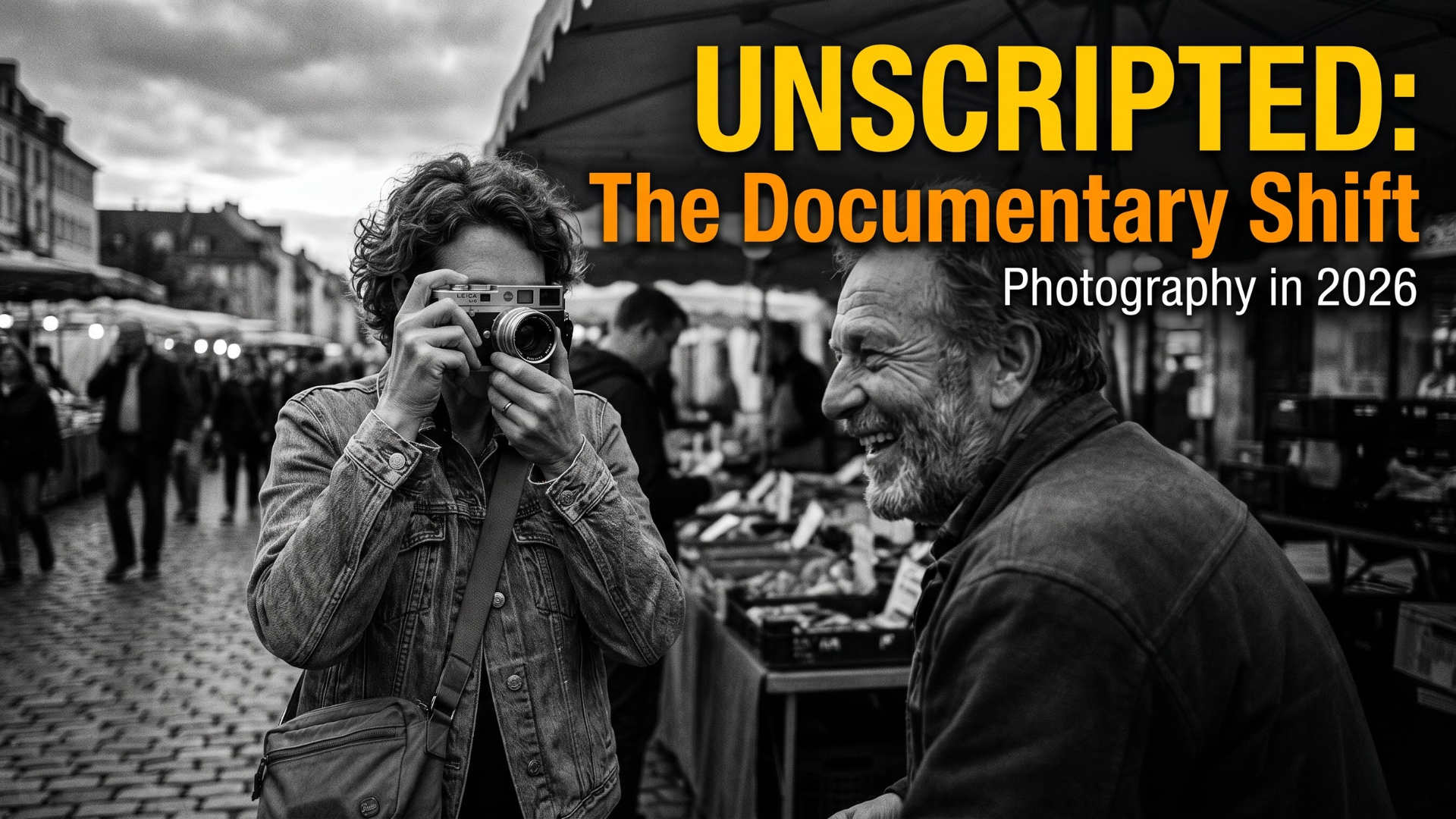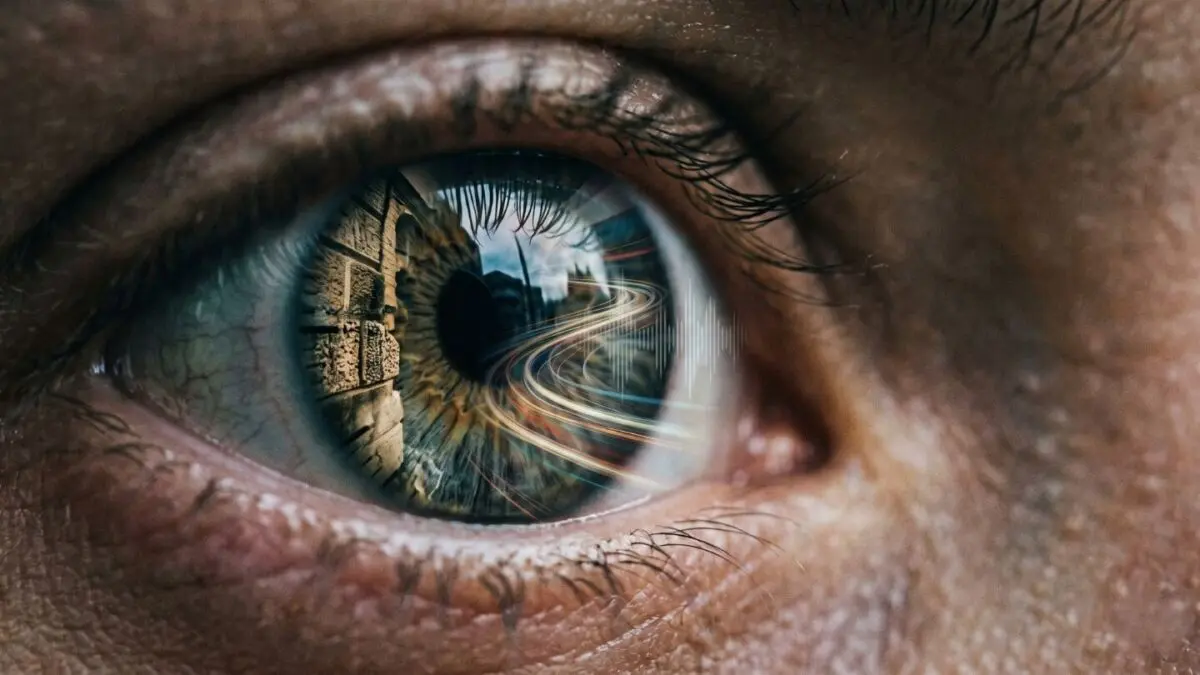
There is a profound comfort in the boundaries of a still photograph. A single frame represents a frozen fraction of reality, a moment isolated from the relentless flow of time. For a documentary photographer, the discipline lies in anticipating that exact fraction of a second where the geometry of the room, the quality of the light, and the emotional tension of the subject perfectly align. When you press the shutter, the narrative is locked. The viewer is given a definitive endpoint to examine. Moving from this controlled medium into the world of cinematic video is a jarring transition because the fundamental rules of observation change. You are no longer searching for a single anchor point; you are responsible for guiding the viewer through an ongoing current of time.
The most common mistake made during this transition is treating the video camera like a machine gun. The instinct is to simply hold the recording button down and pan across the environment, hoping to capture everything at once. This results in footage that feels unmoored and chaotic. True cinematic storytelling requires the exact opposite approach. It demands a return to intentional, deliberate framing. The camera must be locked down, and the scene must be allowed to unfold within the borders of the monitor. You are building the narrative from its foundational elements, establishing the physical space before introducing the human element. The viewer needs time to understand the geography of the room before they can understand why the subject’s presence in that room matters.
This slow, observant approach completely redefines the concept of pacing. In a photo essay, the reader controls the rhythm. They can linger on a powerful monochrome portrait for several minutes or flip past an establishing shot in a few seconds. In motion, the filmmaker dictates the rhythm. You must develop a profound sensitivity to the internal metronome of the scene. Holding a shot for three seconds conveys efficiency; holding that exact same shot for ten seconds introduces a deep, lingering tension. This editorial control is where the actual storytelling happens. It is the practice of letting the environment breathe, forcing the audience to sit in the quiet, uncomfortable spaces that modern media usually edits out.
The most dramatic shift, however, is the sudden introduction of sound. A still photograph is inherently silent, relying entirely on visual cues to suggest the atmosphere. When you step into filmmaking, the ambient resonance of the location becomes just as critical as the focal length of the lens. The background hum of fluorescent lights, the distant rhythm of traffic, or the sharp, isolated sound of a chair scraping against a wooden floor—these auditory elements construct the reality of the space. Capturing this environmental audio requires an entirely new layer of presence. You have to stop looking through the viewfinder and start listening to the space.
Audio establishes the psychological weight of a scene before the visual elements even register. If you are documenting a tense interaction, the silence between the spoken words carries far more narrative power than the dialogue itself. This requires an immense amount of patience in post-production. The editing timeline becomes a canvas where you must weave the visual pacing with the atmospheric soundscape. You are no longer just showing the viewer what the room looked like; you are making them feel what it was like to stand in that specific corner, breathing that specific air.
Ultimately, bridging the gap between a standalone image and a moving sequence is an exercise in restraint. The technology available to us today is incredibly forgiving, offering endless stabilization and rapid autofocus, but relying on these tools often sanitizes the final product. The goal should never be a perfectly smooth, manufactured clip. The goal is to retain the raw, unscripted honesty that defines strong photojournalism, allowing the natural imperfections of human movement and environmental noise to anchor the story in reality. It is a demanding, deeply rewarding process of observing life not as a series of isolated events, but as a continuous, unfolding narrative.