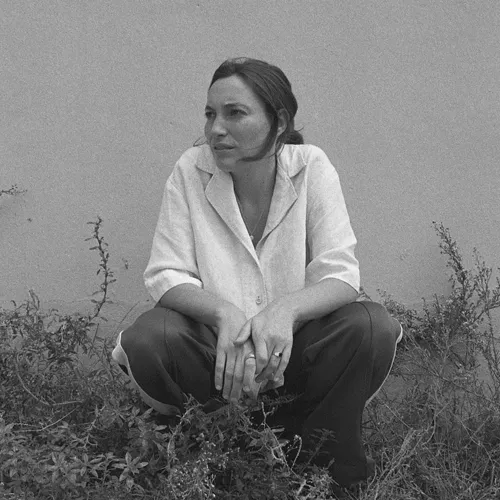
A new body of work by Spanish photographer Lúa Ribeira is drawing wide attention for its unfiltered portrayal of young people living on the outskirts of Spain’s major cities. The project, titled Agony in the Garden, was produced between 2021 and 2023 and brings together images made in Madrid, Málaga, Granada, and Almería.
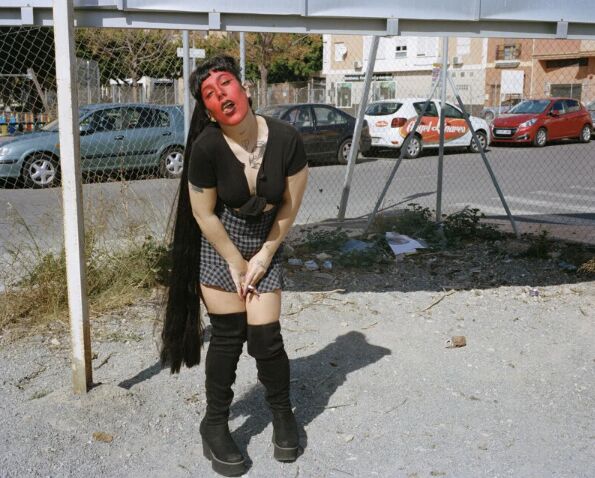
Rather than documenting daily life in a straightforward manner, Ribeira spent long periods collaborating with the young people she photographed, treating them not as subjects but as partners in shaping the images. Many of the photographs were created in abandoned lots, industrial zones, overgrown fields, and neighborhoods marked by economic decline — places where, for many of the youth she met, the sense of being outside the country’s social and political center is a lived reality.
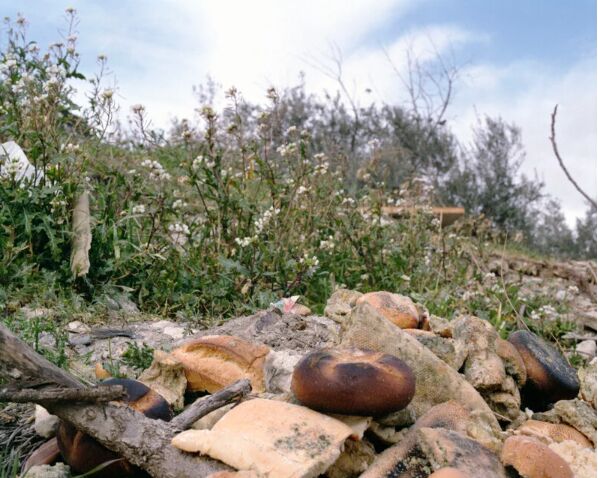
The resulting images depict an atmosphere that is both contemporary and strangely timeless. Some show adolescents dressed in hyper-stylized clothing influenced by online subcultures; others capture moments of solitude, ritual, or play against barren landscapes and discarded objects left behind by agricultural or industrial activity.
Ribeira says her intent was not to portray a specific region or group, but to explore how young people express themselves in a world where borders — cultural, digital, and emotional — have become increasingly blurred.

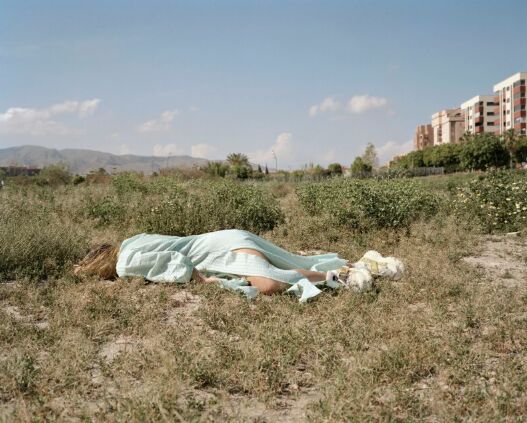
“I spent most of my time in areas that sit just beyond the center of these cities,” she said. “The landscapes are dry, open, and sometimes harsh, but they reflect a feeling many young people expressed to me — a sense of being present and absent at the same time, as if their lives were unfolding at the edge of a much larger uncertainty.”
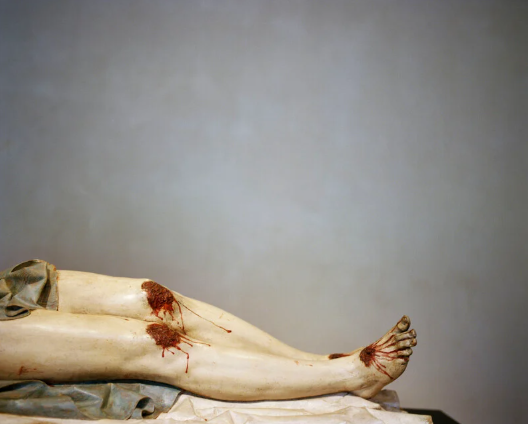
Religious symbolism, references to early painting, and influences from cinema appear frequently in the work. These elements, according to Ribeira, were used to connect present-day struggles with broader human concerns such as fear, desire, and conflict. “I wanted to create a space where everything feels suspended,” she explained, “where the present moment touches something older and more universal.”
What emerges from the series is a portrait of youth negotiating their identity within a rapidly changing landscape. Several of the young people Ribeira photographed have grown up in neighborhoods shaped by agricultural labor, unemployment, or migration pressures. Others come from families who have seen their economic security erode over the past decade. Their gestures, fashion, and self-presentation often mirror global digital trends, yet the settings around them tell a more complicated story of instability and resilience.
Art critics note that the work avoids the conventions of traditional documentary photography. Rather than offering explanations or context, Ribeira allows ambiguity to take center stage, encouraging viewers to confront their assumptions about youth culture and marginalization.
Agony in the Garden has been included in the touring exhibition Close Enough: New Perspectives from 12 Women Photographers of Magnum, curated by Charlotte Cotton, and was also shown as a solo presentation at the Museo Lázaro Galdiano in Madrid in 2023.

The publication, now available as Ribeira’s second monograph, continues to generate discussion about the challenges confronting young people across Spain — and the creative ways they express themselves amid shifting social and economic realities.