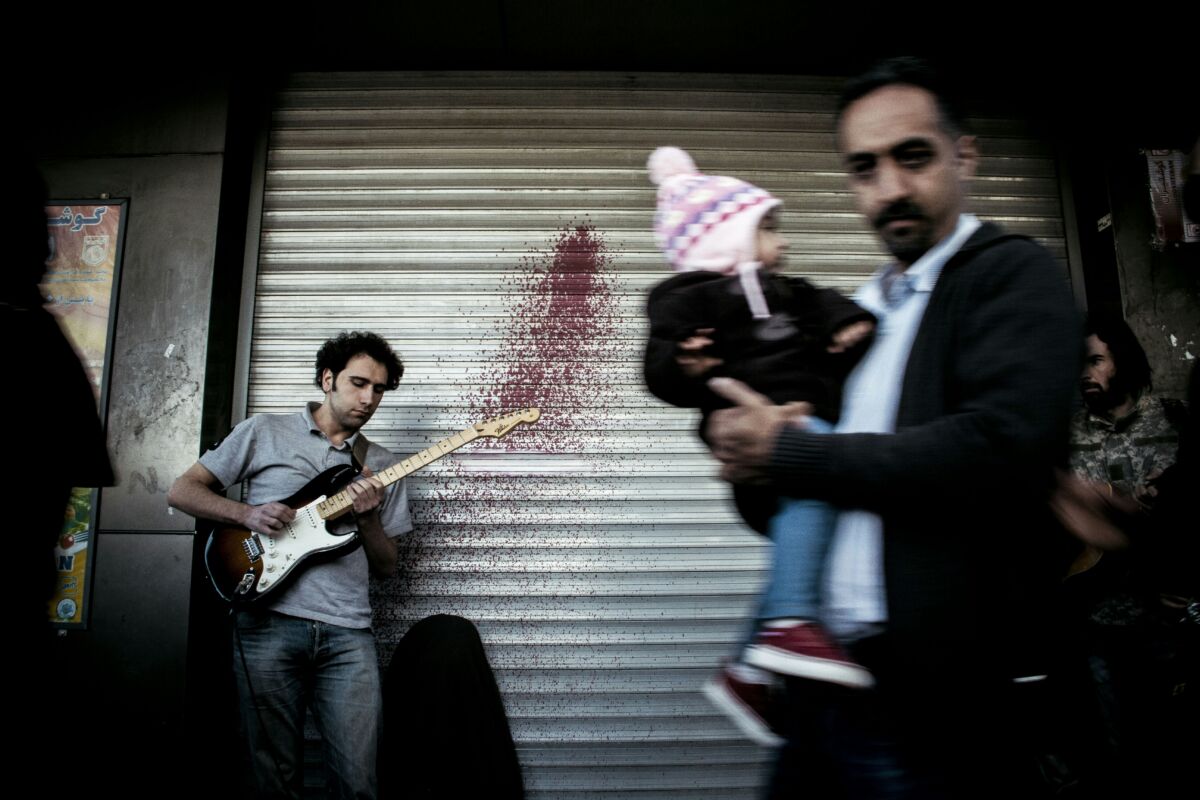
There’s a particular kind of silence that only photographers know — the silence that arrives when you stop shooting. It’s not the peaceful kind. It’s the one that hums with guilt, like an unanswered call. You see light falling perfectly through the window, shadows dancing across walls, the sky doing something extraordinary — and you just stand there, still. You don’t pick up the camera, not because you don’t want to, but because something inside you feels disconnected.
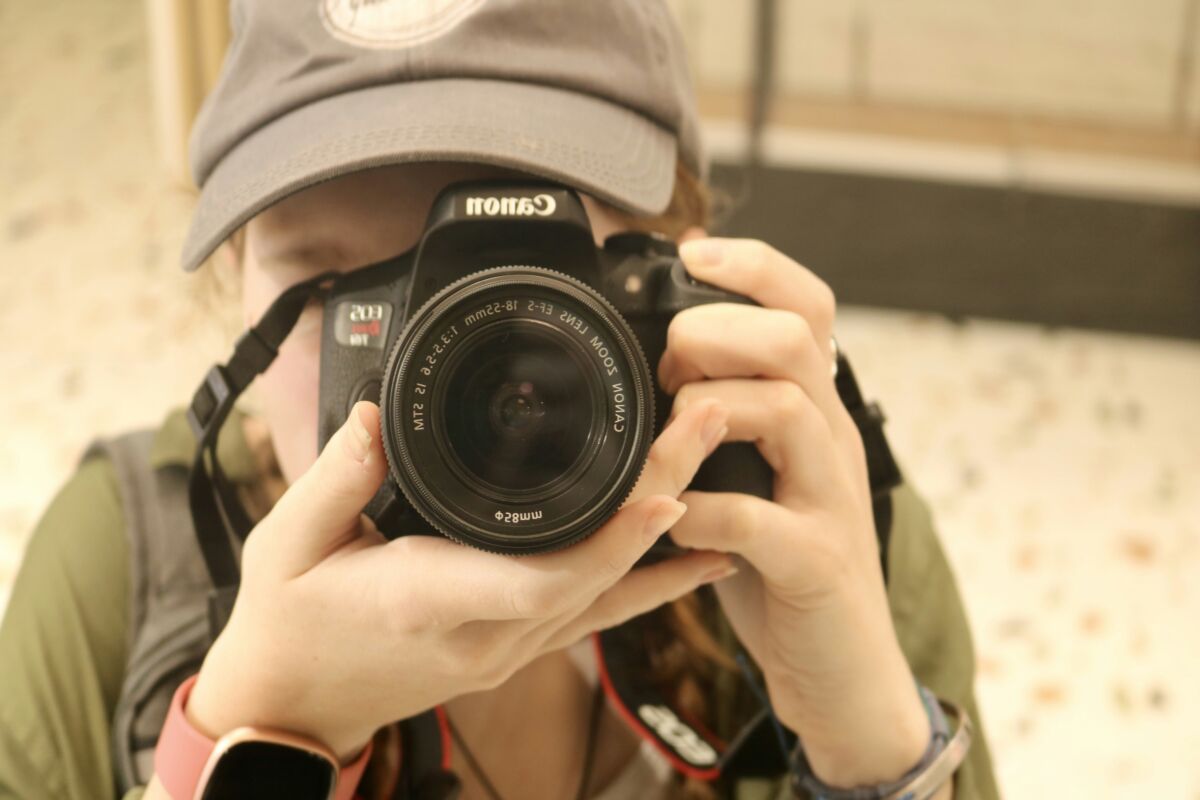
It doesn’t happen overnight. One day you’re out chasing the world with all its chaos and grace, and the next, you’re sitting at a desk, scrolling through old images, wondering how you used to do it. It starts with a missed shoot, then another, and soon, the camera becomes part of the room’s furniture. The same gear that once felt like an extension of your body begins to gather dust. You tell yourself it’s a break — that you’ll come back when things get better. But breaks have a strange way of becoming walls.
When my camera stopped working properly, it felt like losing a language I had spent years learning. The lens jammed, the focus slipped, and each malfunction started to feel personal. I’d press the shutter and nothing would happen — that small click I’d built my world around simply refused to sound. I thought I could handle it, that I’d fix it soon, but it went on for months. Then came the decision to get a job, to earn enough to replace what was broken. It made sense on paper. I told myself it was temporary.
But life, as it always does, had its own rhythm. The job stretched on — long hours, constant fatigue, the slow erosion of creative time. Days began blending into one another. There were moments when I looked at the clock and realized I hadn’t seen natural light all day. That used to be unimaginable for me — to spend a day without noticing the color of the sky. I used to measure time in light changes, in shadows, in golden hours. Now I measured it in tasks, deadlines, and screens.
I’d come home late, exhausted. The camera would be right there on the table, but I’d look past it like it was something from another life. On some nights, I’d scroll through old photos — the ones that had once been published, appreciated, or simply loved. It didn’t make me proud; it made me ache. Each photograph felt like a small memory of a person I couldn’t return to. I’d think about how I used to wait hours for a single frame, how the excitement of chasing stories filled me. I missed that energy. I missed that version of me.
But that’s how you start coming back — not through sudden motivation, but through missing what once felt like breathing. You begin noticing again. It starts small: the way rain slides down a car window, the color of streetlights after a storm, how a stranger stands quietly on a crowded street. The eye starts waking up before the camera does. You begin framing things in your head again, even if you can’t capture them. And that’s when you realize — photography isn’t something you can quit. It’s something that keeps finding you, no matter how far you drift.
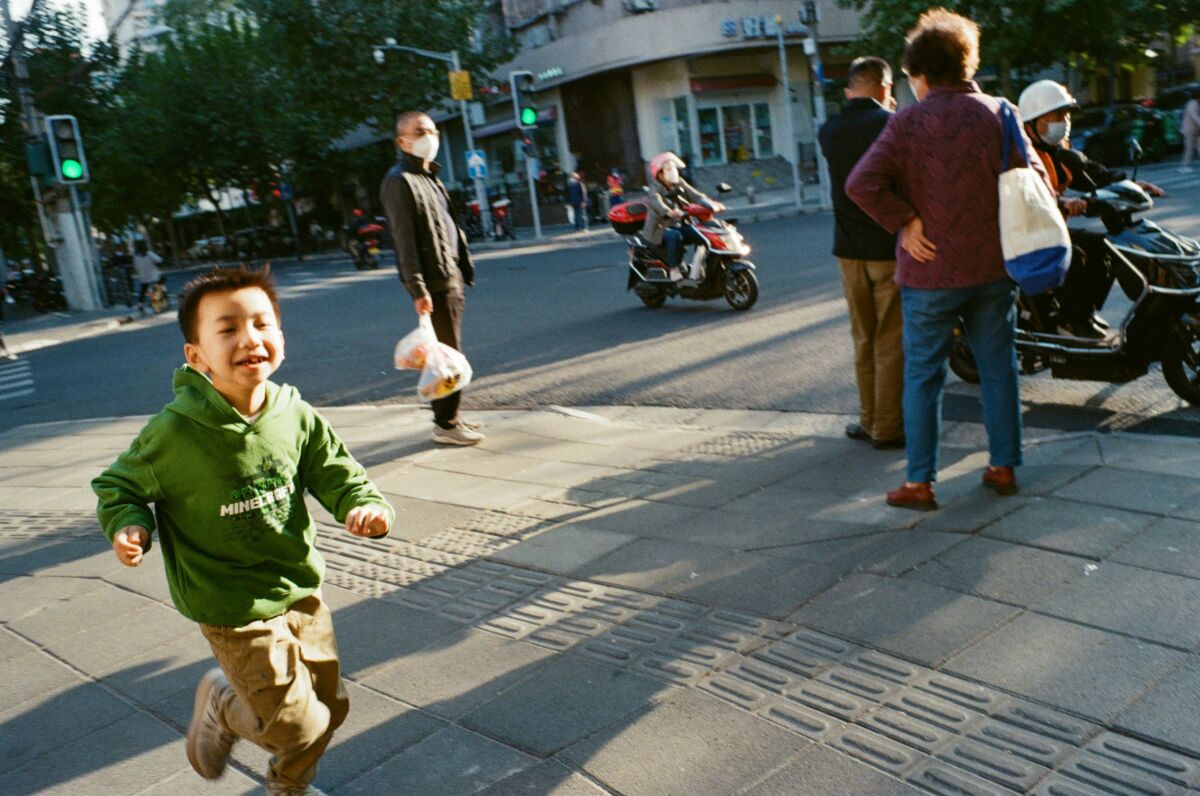
I remember one evening clearly. It was after a particularly dull day at work. I came home, switched off all the lights, and sat in the quiet. I don’t know what made me do it, but I reached for the old camera. It was still broken. The grip had worn edges, the buttons were sticky, the screen had scratches. It looked tired — much like me. I turned it on, expecting nothing, but the screen flickered, faint and slow. It wasn’t perfect, but it was alive. And so was I, for a moment.
I went out that night. No plan, no story to tell — just the urge to see again. I took a few photos under the dim streetlights. Most were blurry, out of focus, underexposed. But for the first time in months, I didn’t care about perfection. I cared that I had felt something. The act of framing, clicking, hearing that shutter — even if imperfect — felt like a small rebellion against everything that had numbed me.
Coming back to photography after losing touch is like learning how to walk again. You’re full of hesitation, second-guessing every move. The confidence that once came naturally now feels forced. You forget how to wait for moments, how to read light, how to trust your instincts. You even start doubting whether you were ever good at it in the first place. But slowly, quietly, that rhythm begins to rebuild itself. Not through success, but through small, honest attempts.
You start carrying the camera again — not for assignments, not for validation — just because it feels strange to leave it behind. You shoot on your way to work, during breaks, even from the window. You photograph the things you once ignored — the patterns on your office wall, your reflection on a train door, a stranger’s tired eyes. These small frames become your way of reminding yourself that you’re still alive, still seeing, still capable of feeling through light.
And then one day, you notice something — you’re not forcing it anymore. You’re not waiting for the “perfect time” or “better gear.” You just shoot because you have to. Because the act itself has started to mean more than the result. The return becomes natural.
I think that’s the real art of coming back — understanding that photography was never about what you capture. It’s about what you survive through it. Every absence teaches you something. Every time you drift away, you come back with a different kind of vision — deeper, slower, quieter. You start to see beauty not in grand subjects, but in ordinary things — light falling on a cup, the curve of smoke from a candle, a face half-hidden by shadow. You realize you don’t need the best lens or perfect conditions. You just need honesty.
The truth is, photography and life are not separate things. They’re mirrors. When life feels uncertain, your images reflect that. When you’re exhausted, your compositions tighten. When you’re peaceful, your frames breathe. The camera doesn’t lie, not because of what it captures, but because it quietly records who you are behind it.
There are still days when I don’t shoot. Sometimes weeks. The job still drains me. The lens still misfocuses. The camera still freezes when the light gets too low. I still find myself wondering if I’ll ever afford new equipment. But I’ve stopped waiting for everything to be perfect before creating. Because if I’ve learned anything, it’s that perfection is a myth. Life will always be a little broken, and maybe that’s exactly how art finds its truth.
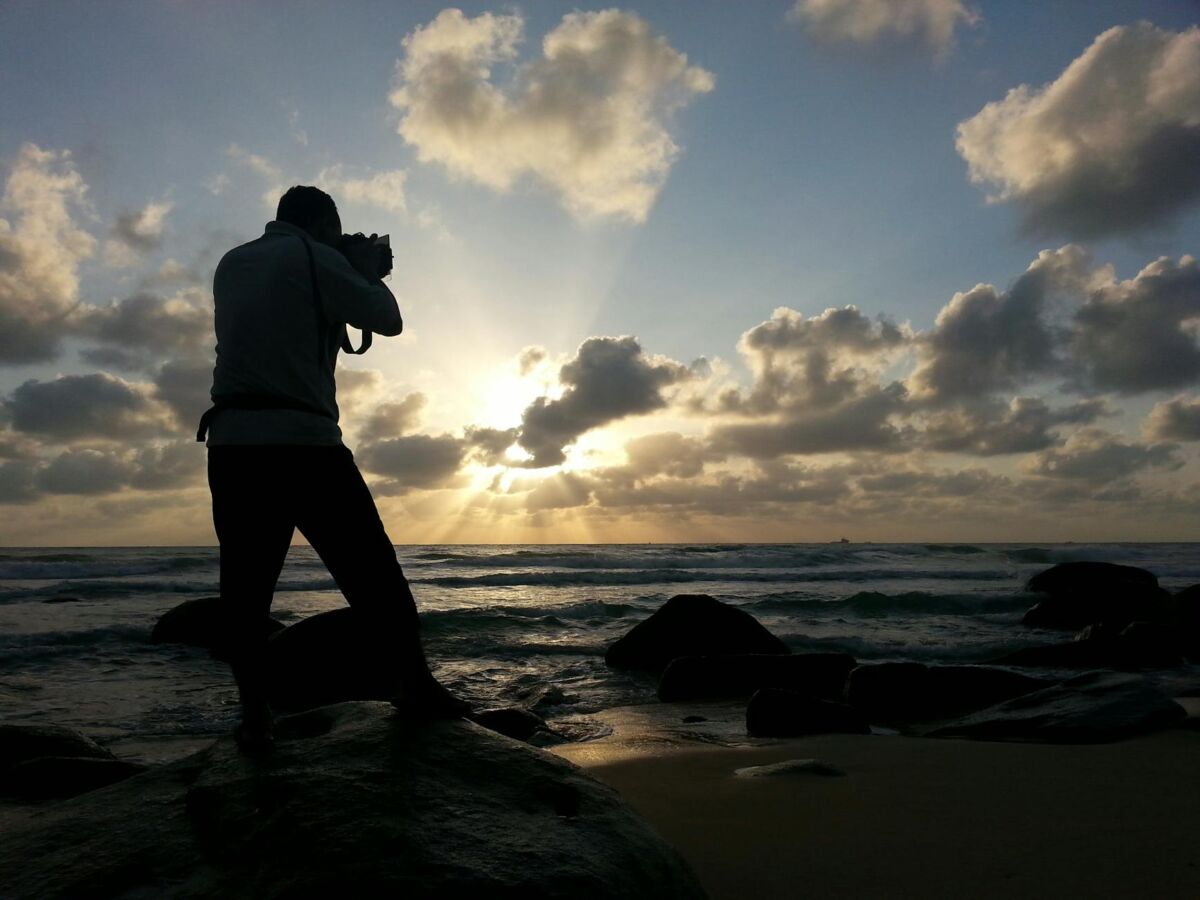
Now, when I photograph, I don’t chase the old fire. I look for small sparks. A stranger’s laugh. The way the evening light turns everything gold for five minutes before fading. The quiet face of my mother when she thinks no one’s watching. These moments don’t make headlines, but they remind me of why I ever picked up a camera — to feel something real.
Coming back isn’t glamorous. It doesn’t come with applause. It’s quiet, humbling, sometimes even lonely. But it’s real. It’s human. It’s the moment you stop seeing photography as something you do and start seeing it as something you are. You may drift again — we all do — but every return will teach you something new about yourself.
Because in the end, the art of coming back is really the art of remembering. Remembering that even when you couldn’t shoot, you were still watching. Even when your tools failed, your vision didn’t. Even when life felt like it had moved on, a part of you was still waiting — patient, silent, unbroken.
And when you finally lift that camera again, it feels different — heavier, maybe, but also fuller. Every scar, every delay, every quiet night spent doubting yourself becomes part of your vision. You see more honestly now, because you’ve lived more honestly. And that, perhaps, is the greatest photograph of all — the one where you finally come back, not to the world, but to yourself.