Every photographer remembers the first time they saw their work in print. The thrill of turning a magazine page and finding your image there, properly captioned, properly credited — it feels like a quiet victory, a confirmation that your story matters.
But reaching that point often feels like crossing a long, invisible bridge.
Many photographers send their work into silence — no replies, no feedback, no guidance. Others never send at all, fearing rejection or believing that publications are reserved for insiders.
The truth is, editors aren’t looking for connections. They’re looking for communication — a photographer who can express their story with intention and respect for editorial context.
Pitching, in its truest form, isn’t about self-promotion. It’s about starting a conversation.
“Editors don’t just publish photos — they publish clarity, consistency, and a reason to care.”
The Reality Behind Every Submission
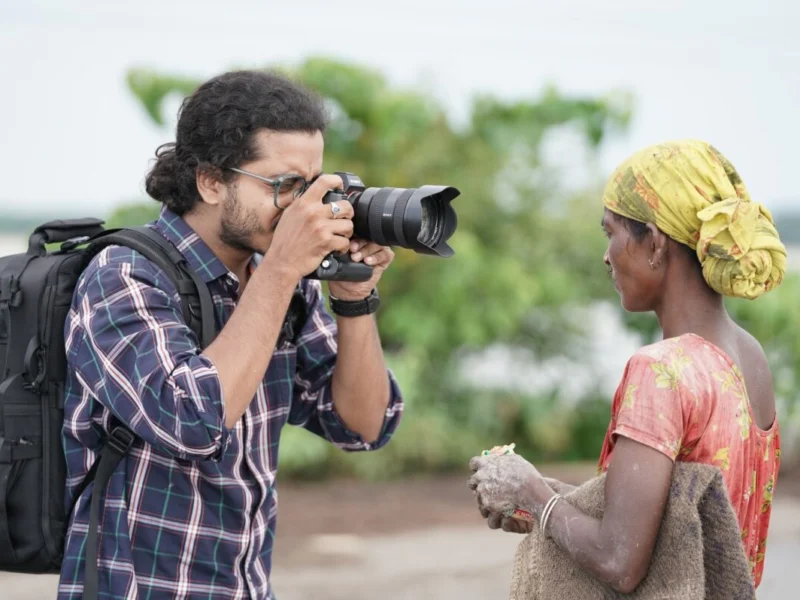
When Arjun Mehta first started sending out his work, he thought good images were enough. “I’d send ten photos from different projects, thinking at least one would catch attention,” he says. “But editors don’t have time to make sense of what you’re trying to say. You need to guide them.”
His early submissions went unnoticed. No replies, no acknowledgments. But instead of giving up, Arjun studied the publications he admired. He began noticing that every featured story had a consistent tone, theme, and visual rhythm. Those weren’t random pictures — they were coherent stories.
That realization changed everything.
Understand the Publication Before You Pitch
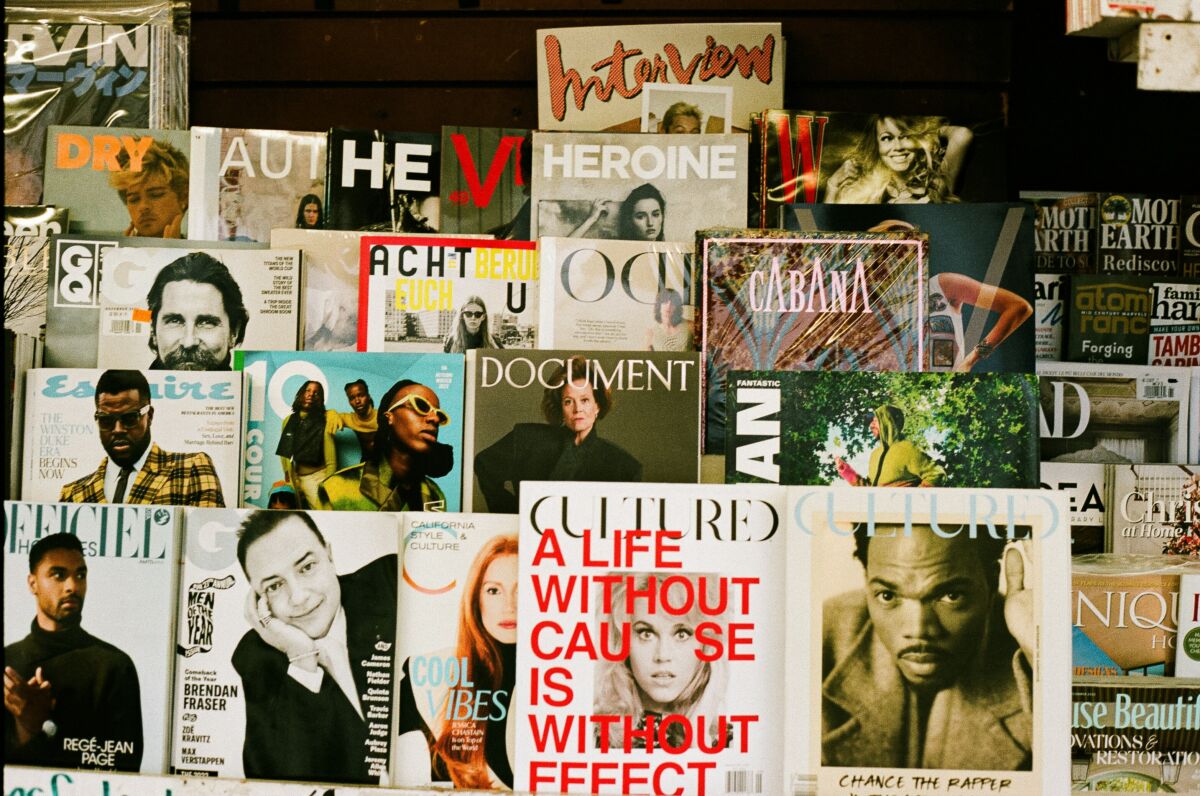
Before hitting “send,” spend time understanding the magazine’s editorial style. What kinds of narratives do they prefer? Are they emotionally driven or conceptually sharp?
For instance, National Geographic values deep context and human connection. LensCulture leans toward innovation and artistic strength. Documegazine appreciates raw authenticity and local storytelling.
Study their language, captions, and visual flow. The goal is not to imitate them but to show that your vision belongs in their ecosystem.
Build a Project That Speaks for Itself
Every editor silently asks the same question when opening a submission:
“Why does this project exist?”
If your answer is clear — through images, tone, and intention — you’re already ahead.
Arjun’s project “The Last Train from Nowhere” emerged from quiet observation of forgotten railway halts in Northeast India. It wasn’t just about tracks and stations; it was about lives fading along with them. The series, shot over six months, found its place in an international photography magazine not because of technical mastery but because it carried a soul.
“Good photos make people pause. A good story makes them stay.”
Crafting the Perfect Pitch Email
The most common mistake photographers make is treating the email like an afterthought. In reality, your email is the first page of your story.
Here’s a proven format that editors appreciate:
Subject Line:
Submission – “The Last Train from Nowhere” | Photo Story by Arjun Mehta
Email Body:
Dear [Editor’s Name],
I hope you’re doing well. I’m submitting my recent documentary photo series “The Last Train from Nowhere” for consideration. The project explores the quiet decay of rural railway halts in Northeast India and the communities living around them.
It’s a story about time, change, and disappearance — photographed over six months of field travel. The complete series (15 images, captions, and short text) can be viewed here: [portfolio link].
I’ve attached a brief artist statement and bio below.
Thank you for your time and for creating a platform that celebrates meaningful visual storytelling.
Warm regards,
Arjun Mehta
www.arjunmehta.com
Instagram: @arjunmehta.photo
Presentation and Professionalism
A great submission feels effortless. That comes from careful organization.
✅ File names: Use simple, clean labeling — “LastTrain_01_ArjunMehta.jpg” — never random camera codes.
✅ Image size: 2000px on the long edge, 72dpi, unless otherwise specified.
✅ Platform: Prefer a clean, online gallery or PDF portfolio. Avoid sending large attachments.
✅ Statement: Write sincerely. Keep it short — one paragraph that expresses why this project matters to you.
Editors appreciate efficiency, but they also notice tone. Your submission should sound like a conversation, not a performance.
Know Where to Send
Here’s how to plan your publication list strategically:
Established Outlets (Global Reach)
- National Geographic
- Vogue Italia PhotoVogue
- The Guardian Eyewitness
- Digital Camera World
Editorial Platforms (Creative Focus)
- LensCulture
- Feature Shoot
- The Phoblographer
- Dodho Magazine
- All About Photo
Independent and Thematic Platforms
- Documegazine
- Analog Forever
- Burn Magazine
- Float Photo Magazine
- C41 Magazine
Regional and Cultural Journals
Local and regional platforms are often more receptive to nuanced, place-based storytelling. Many larger editors discover emerging talent through these smaller channels.
Follow-Up With Grace
If you don’t hear back within three weeks, it’s okay to follow up once — politely.
“Hi [Editor’s Name], I hope you’re doing well. I just wanted to check if my submission ‘The Last Train from Nowhere’ reached you safely.
I completely understand how busy things get — thank you again for your time.”
That’s all it takes. Editors remember kindness more than persistence.
“Professionalism leaves a longer impression than pressure.”
Handling Rejection and Silence
Rejection is inevitable. Even established photographers face it. But silence isn’t always dismissal — it’s often workload.
When Arjun received his first eleven rejections, he didn’t take them personally. “Every unanswered email taught me something,” he recalls. “I refined my text, improved my sequencing, learned to write less but say more.”
Months later, Dodho Magazine accepted his story. The editor later said, “It wasn’t just your photos — it was the way you approached us.”
Every rejection, seen correctly, refines your professionalism.
Build Relationships, Not Just Features
Editors don’t forget respectful photographers.
Even if your story isn’t selected, thank them for their time and stay connected. If they say, “We’d love to see future work,” treat it as an open invitation.
Many photographers turn one “no” into multiple “yeses” by staying consistent and genuine. Relationships in this field aren’t transactional — they’re cumulative.
SEO and Online Visibility
Your digital presence also pitches for you — quietly, continuously.
Use SEO-friendly terms on your website and social platforms, such as:
- “pitch photography magazine”
- “submit your photos to magazines”
- “photo story submission”
- “how to get featured as a photographer”
These keywords help editors and curators find your work while searching for contributors online. Keep your website clean, mobile-friendly, and regularly updated.
The Long Game of Authenticity
In the end, getting featured is not about exposure. It’s about alignment — between your story and the platform that understands it.
Arjun puts it beautifully:
“I don’t pitch to be seen anymore. I pitch to connect. If an editor feels something in my story, that’s success.”
That’s what every good pitch does — it bridges two imaginations.
Final Thought:
Getting published isn’t a mystery. It’s a craft. A respectful email, a coherent project, and the courage to keep trying — that’s the real formula.
When your next submission lands in an editor’s inbox, let it carry not desperation but belief. Because the best pitches aren’t just about getting featured — they’re about proving to yourself that your story deserves to be seen.