There is a quiet point in every photographer’s life when the word light stops being technical. It no longer refers to an element to balance or measure, nor something to “get right” before pressing the shutter. Instead, it becomes something personal — a presence that feels alive. It can console, provoke, or vanish without warning.
At first, we all chase it. We look for the “best light,” we talk about “good light,” and obsess over the golden hour as if it’s the only moment when magic happens. But with time, patience, and experience, the relationship deepens. You realize that light isn’t obedient. It doesn’t exist to serve your vision — you exist to understand its behavior.
Every form of natural light carries emotion. The soft, hesitant glow before sunrise feels like a held breath. The hard, unflinching brightness of midday confronts you with reality. The amber tones of late afternoon wrap the world in memory. And then there’s the quiet blue hour, when everything begins to fade, and light no longer reveals but remembers. Each one tells a story, not about what you’re shooting, but about how the world feels at that moment.
In that sense, light is your most honest collaborator. It reacts to truth. It refuses to perform for anything false. You can’t demand light to behave, just as you can’t tell emotion when to appear. It has its own timing. It walks into a scene when it’s ready, and all you can do is be present enough to catch it when it does.
Table of Contents
When Light Stops Obeying
There’s a story many photographers share — standing somewhere beautiful, camera ready, but the light isn’t right. The scene looks flat, lifeless. You wait. Minutes pass. Clouds shift. Then suddenly, something changes — maybe a shaft of light cuts through, maybe the atmosphere thickens with warmth, and suddenly everything means something.
That’s not technique. That’s conversation.
In filmmaking, directors often treat light as an actor. They speak of how light “enters the frame,” how it “reveals,” or how it “withdraws.” They don’t just plan for illumination; they plan for emotion. In Wong Kar-wai’s films, light is slow, romantic, and lonely — it spills like a confession. In Tarkovsky’s world, it is sacred, distant, and meditative. In Chloé Zhao’s Nomadland, it’s fragile and truthful — the way sunlight hits an old van at dusk becomes a metaphor for impermanence.
As photographers, we have the same opportunity. When we stop treating light as a technical factor and start treating it as a participant, everything changes. The image stops being a record and starts becoming a mood.
The Emotional Language of Light
Think about the photographs that stay with you. They rarely stay because of sharpness or color — they stay because of feeling. That feeling is often carried by light.
The way early morning light wraps around a face can express shyness or innocence. Harsh backlight can turn a figure into a silhouette of mystery. A dull, overcast afternoon can feel melancholic, like a sigh that never ends. Light carries emotion because it’s not constant. It reacts to the world’s changes just as we do.
When you photograph someone sitting by a window, notice how the light behaves around them. It doesn’t just fall — it responds. It softens when they lean forward, brightens when they look up. It moves with their breath. Suddenly, you’re no longer “using” light — you’re witnessing a relationship between human and environment.
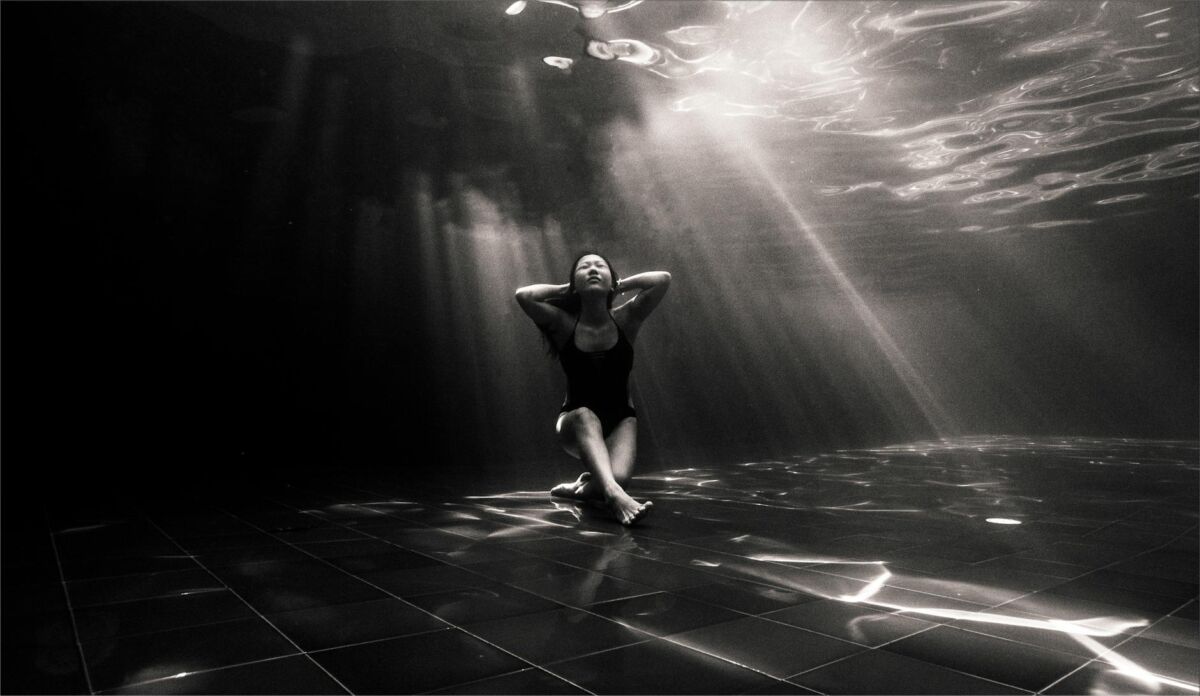
Light reveals truth, but it also hides it. What it chooses to leave in shadow is just as important as what it illuminates. A single ray across someone’s cheek can tell a story of isolation, of resilience, of longing. Every photographer learns — sometimes the story isn’t in what’s shown, but in what light decides to keep secret.
Light as Memory
Photography, at its core, is memory. We freeze what time will eventually erase. But the deeper truth is that we’re also freezing how light once existed — how it felt. Every photograph is a record of how sunlight behaved at that exact second in history. The same street, a day later, will never look the same. The same cloud won’t scatter light in the same pattern. That’s what makes light alive.
When you look back at your old photographs, you might notice that what you miss isn’t just the subject — it’s the light. The exact softness of that evening glow, the way it curved around someone’s shoulder, the reflection bouncing off wet ground. That light existed for that one heartbeat in time and will never return.
To recognize that truth is to recognize impermanence. And once you understand impermanence, your photography becomes more compassionate. You stop trying to control everything. You let the world breathe through your lens.
The Discipline of Waiting
One of the hardest lessons in working with natural light is waiting. Good light doesn’t come to those who rush. It rewards patience. Documentary photographers, street photographers, and landscape artists all know this truth intimately — sometimes, you wait hours for a light that lasts seconds.
But that wait isn’t wasted time. It’s observation. It’s intimacy. You start noticing subtleties — how air changes before sunset, how shadows stretch when clouds move, how color temperature cools as silence grows. The waiting becomes part of the process, part of the art.
The Japanese concept of ma — the beauty of the interval — applies here. It’s the space between moments that gives them meaning. Waiting for light is the same. When it finally arrives, you’re not surprised. You’re ready.
Natural Light vs. Artificial Light
There’s a place for artificial light, of course. Studio setups, strobes, and LEDs give control, precision, repeatability. But what they can’t replicate is authentic unpredictability. Natural light is flawed, transient, emotional — and that’s its poetry.
When you shoot outdoors, you learn humility. You learn that the world doesn’t bend for your project. You adapt instead. That adaptation is what keeps the work human. Some of the world’s greatest photographers — Henri Cartier-Bresson, Alex Webb, Rinko Kawauchi — all built their visual language around natural light. They didn’t command it; they observed it.
Cartier-Bresson once said, “To photograph is to put one’s head, one’s eye, and one’s heart on the same axis.” Light aligns them all.
Learning to Read Light
Learning to “read” light takes time. It’s not something you can learn from a settings chart or an exposure triangle. You must experience it — through failures, through waiting, through paying attention.
You start to recognize how morning light feels thinner and cooler because the sun’s rays travel through more atmosphere. You learn that cloudy light bounces evenly, removing contrast but revealing texture. You begin to see that window light shifts in direction and intensity throughout the day, changing how faces express themselves.
Every one of these observations becomes part of your visual vocabulary. Eventually, you stop asking what ISO or aperture to use and start asking, What does this light want to say today?
When Light Becomes Story
In some photographs, light is the subject. Think of Steve McCurry’s portraits where light hits faces like revelation, or Fan Ho’s cinematic Hong Kong streets drenched in rays of poetic geometry. In those images, light doesn’t just describe a person or a place — it becomes the narrative thread itself.
A simple example: the difference between photographing a person standing under soft dawn light versus one under a streetlamp at midnight. Technically, both are portraits. Emotionally, they are worlds apart. One feels like rebirth; the other, like solitude. That transformation comes not from the subject but from the character of light.
If you start paying attention, you’ll realize that light always tells the emotional truth of the frame. Even in video, where movement adds dimension, light still dictates feeling. A shaky handheld shot feels stable if the light is calm. A still image feels anxious if the light is erratic. It’s not just illumination — it’s psychology.
The Responsibility of Seeing
Once you recognize light as a character, your responsibility as a photographer changes. You’re no longer a technician; you’re a witness. Your role is to translate that living force into something that moves others.
You start protecting light. You respect it. You wait for it like you wait for someone important. You stop taking it for granted.
And that’s when photography stops feeling like work. It becomes a kind of devotion — a way of saying, I saw what the world wanted to show me, and I didn’t look away.
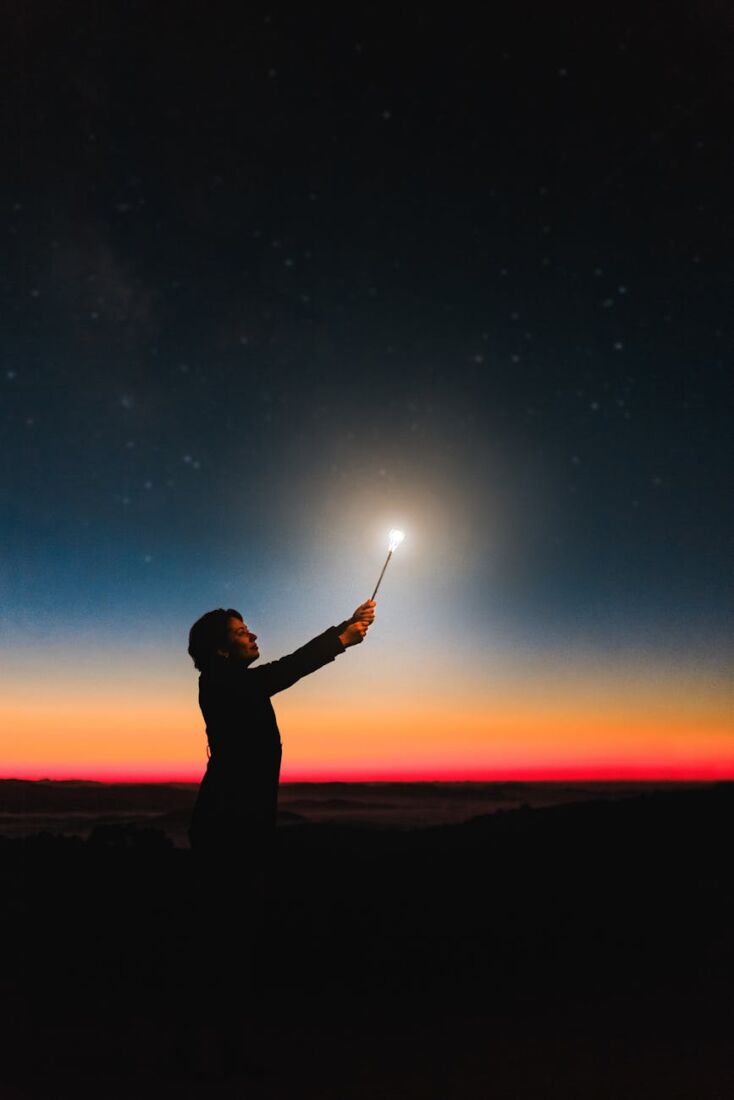
Light doesn’t belong to us. We borrow it for a fraction of a second. It touches our lenses, our eyes, and our memory — and then it goes, just as quietly as it came.
To understand light as a character is to understand that photography isn’t about possession. It’s about presence.
You don’t capture light. You meet it.
And when it meets you back, even for a moment, that’s where meaning begins.