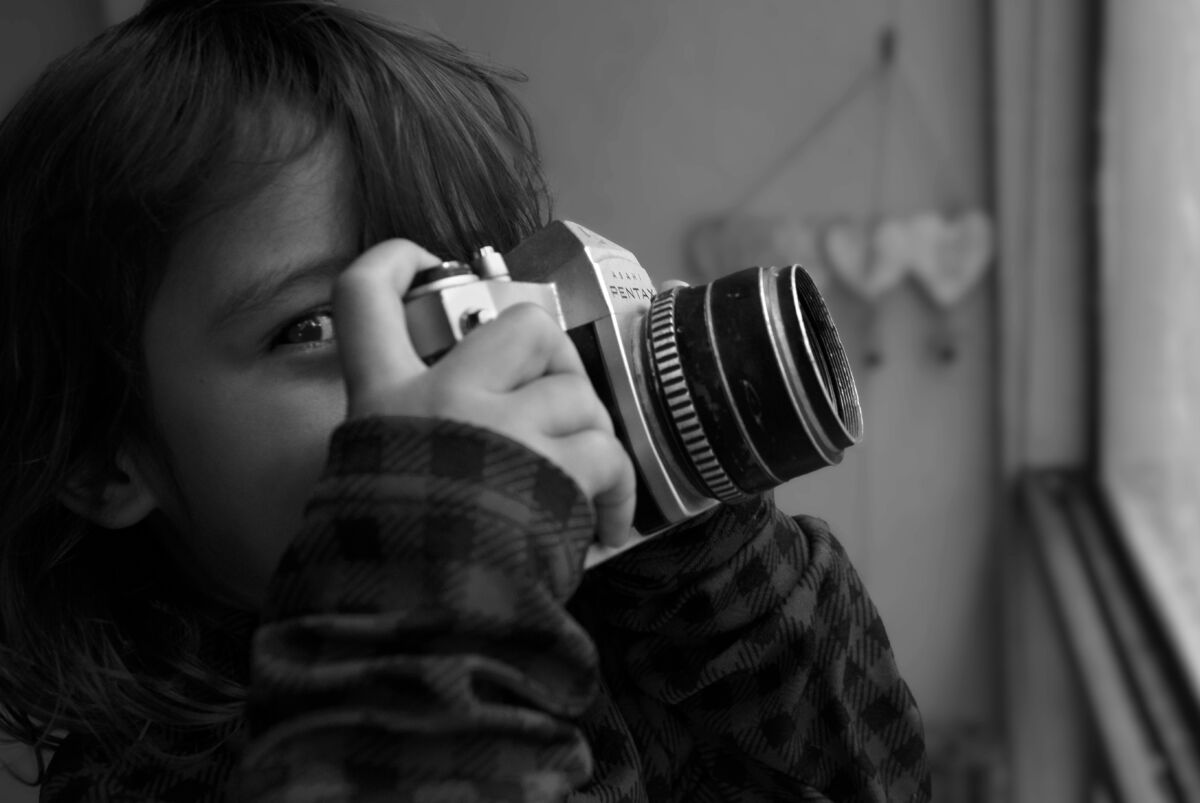
There comes a time in every photographer’s life when the frame starts to feel predictable. The lines fall where they always have, the subject lands at the intersection of a familiar grid, and the resulting image, though polished, feels strangely hollow. It’s technically right but emotionally distant — a product of knowledge, not instinct. This moment marks an invisible shift, the quiet realization that the very tools that once helped us see may now be standing in the way. To unlearn composition is to confront that paradox — to recognize that mastery sometimes requires forgetting.
The early teachings of photography are orderly. The rule of thirds, the golden ratio, symmetry, depth — these are the foundations that help beginners transform chaos into clarity. They teach control, precision, and visual discipline. And for a while, they work. They train the eye to notice balance, to direct attention, to understand where beauty often hides. But the danger of learning structure is falling in love with it too much. When every frame starts to resemble a textbook example of good composition, something vital is lost — the unpredictability that makes photography human.
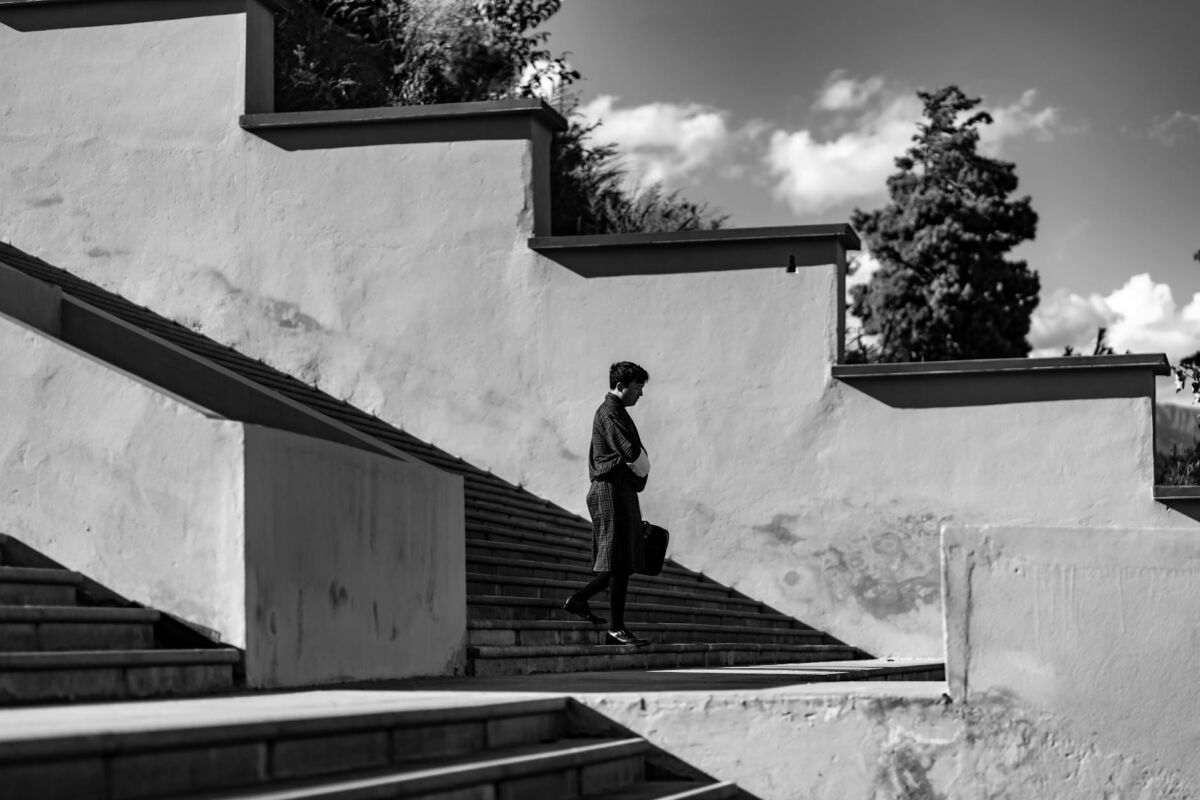
Photography has never been about control alone. It’s about response — the immediate, often instinctive act of framing something fleeting. The rules of composition were created to help us see the world clearly, but the world itself has never been clear. It’s layered, messy, full of unplanned light and imperfect faces. In the pursuit of precision, photographers sometimes begin to tidy reality too much. They start framing life as it should look, not as it actually feels. This is where the unlearning begins — in the decision to let disorder speak.
The rule of thirds has perhaps done more good and more harm than any other idea in visual art. It simplifies the process of creating balance but also standardizes the way people look at the world. It tells you that meaning lives on the intersection of invisible lines. It assumes beauty is measurable. But storytelling through photography is not a geometry problem. It’s an emotional act, and emotions rarely follow mathematical grids. The moment a photographer starts to prioritize symmetry over sincerity, the work begins to lose its pulse.
To unlearn composition is not about rejecting knowledge — it’s about evolving beyond it. It means understanding the rules so deeply that you can choose when to break them with purpose. Every great photograph carries a trace of tension — something off, something unbalanced, something that resists perfection. That tension draws the viewer in; it creates an emotional vibration that pure symmetry can’t provide. When an image obeys every rule, the viewer’s eye moves predictably. When it doesn’t, the eye lingers. That pause — that second of uncertainty — is where art begins.
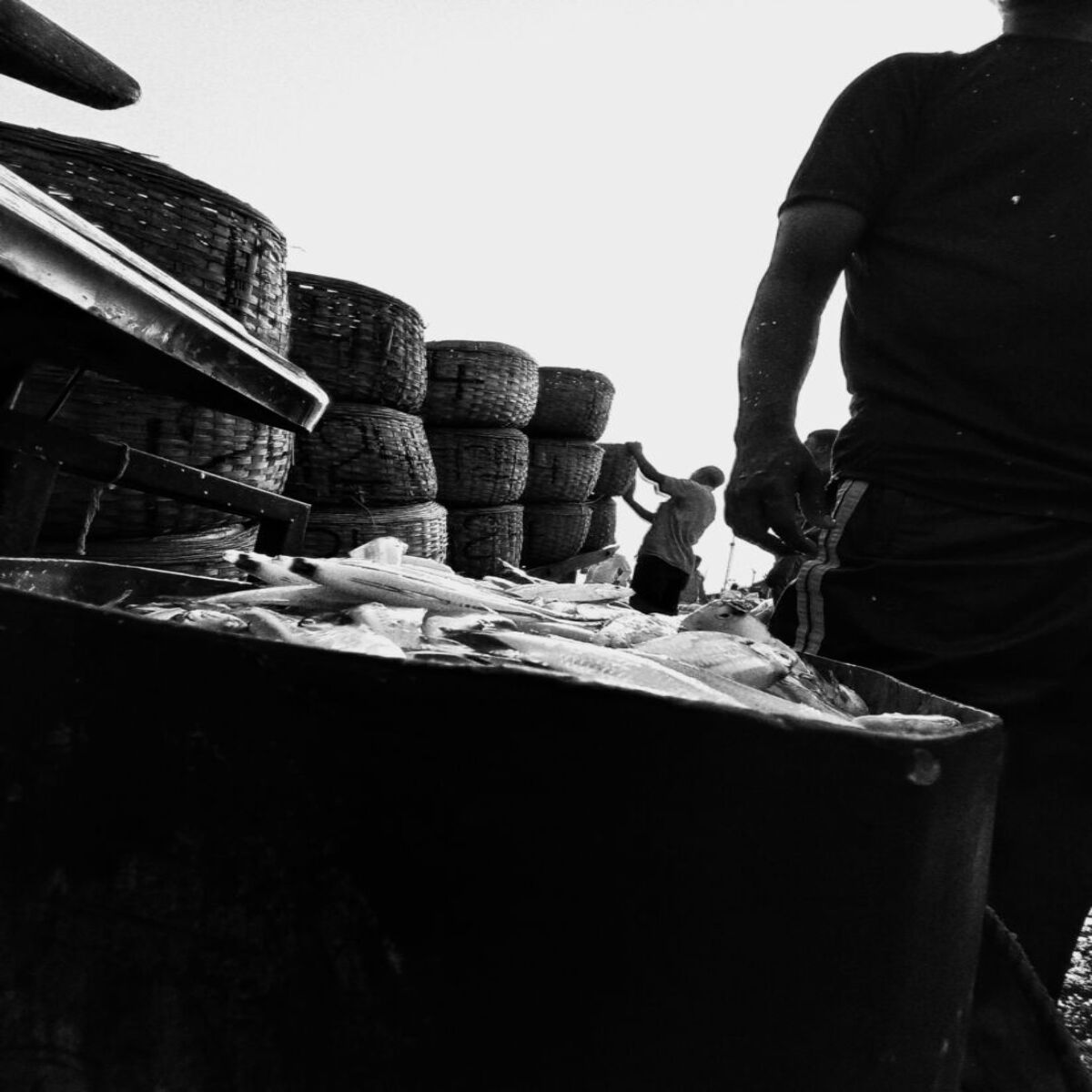
The history of photography is filled with works that defy compositional conventions. Street photography, in particular, thrives on imbalance. The brilliance of a fleeting human gesture, a sudden turn, a half-seen face in motion — none of these moments fit neatly into formal structure. Documentary and reportage photographers know this instinctively; they chase truth, not geometry. In their work, a tilted horizon or an uneven focus isn’t a mistake but a language. It tells us that life doesn’t wait for balance.
Even in portraiture, imperfection can speak more powerfully than precision. A subject slightly out of frame, a shoulder cropped awkwardly, a glance that breaks the rule of gaze — all these can reveal more humanity than a perfectly composed image. Perfection has polish, but imperfection has honesty. A technically flawless portrait may impress, but a flawed one can haunt. It is within that haunting — the uncomfortable edges, the unfinished symmetry — that emotional authenticity hides.
The unlearning of composition is also an unlearning of ego. When a photographer stops trying to control every visual element, they begin to listen to what the scene is saying. The camera becomes less of an instrument of dominance and more of a companion — an observer rather than a director. The process shifts from arranging to receiving. This is not chaos; it’s sensitivity. It’s the recognition that moments don’t always need to be designed to be meaningful.
Modern visual culture complicates this even further. The digital era rewards perfection. Social media thrives on clean lines, centered faces, and tidy frames. The algorithm loves predictability. It favors the safe image — the kind that looks like all the others. Yet beneath that uniformity, there’s a quiet exhaustion growing among creators. The more we conform to what looks good, the less we remember how to feel. Unlearning composition, in today’s context, becomes an act of quiet resistance — a refusal to let the grid dictate emotion.
True storytelling often lives in discomfort. An image that breaks the rules challenges both the maker and the viewer. It creates friction — and that friction becomes meaning. Consider a frame where the main subject is obscured, or where motion blurs a crucial detail. At first glance, it looks wrong. But that wrongness makes it human. It mirrors how memory works — incomplete, fragmented, fleeting. Life rarely offers clean edges; neither should art that seeks to represent it.
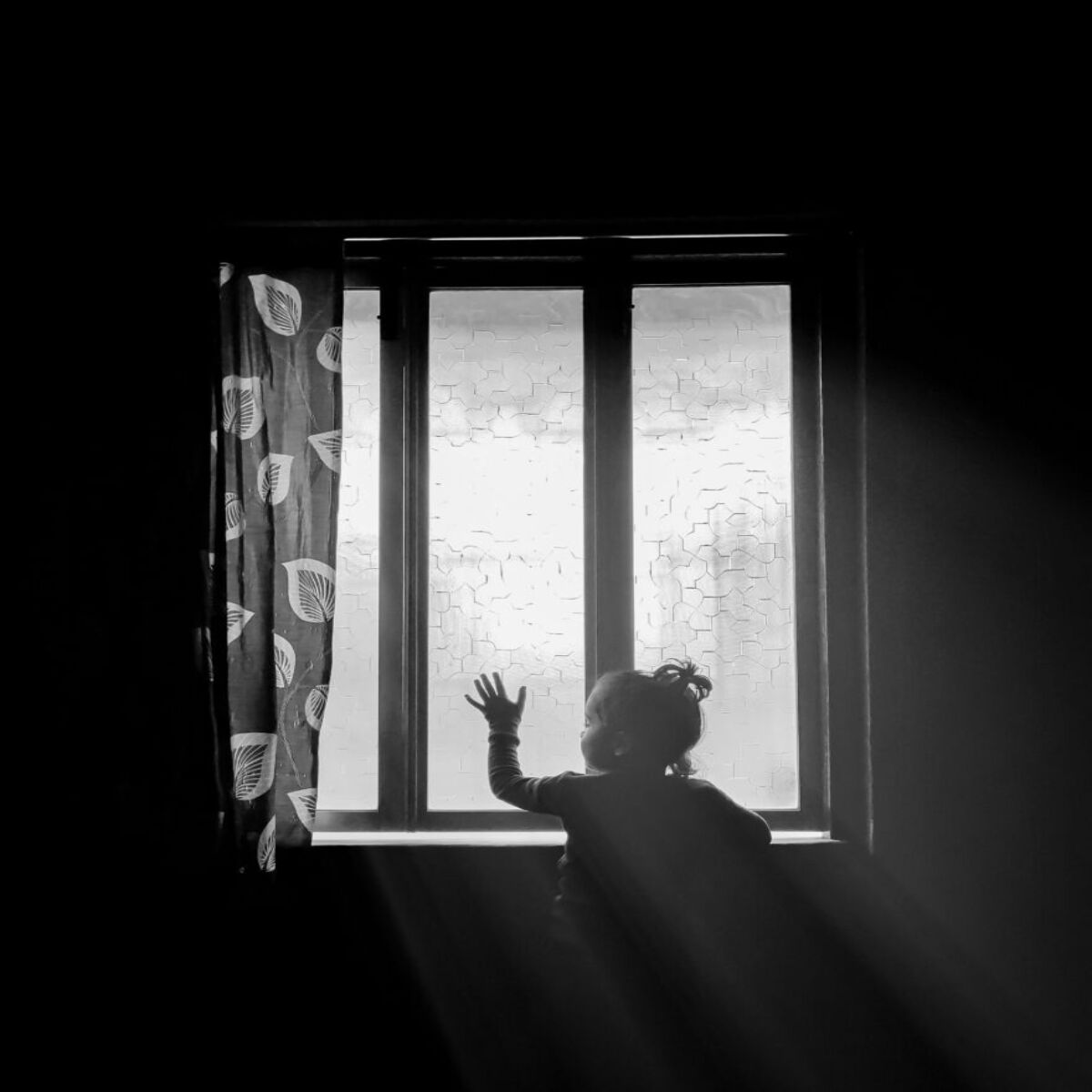
There is also a philosophical depth to this act of unlearning. When photographers rely on composition too rigidly, they begin to see the world as something to arrange. But when they let go of those structures, they start to see the world as something to encounter. The difference between arrangement and encounter defines the transition from technique to vision. A photographer who unlearns composition is not careless; they are curious. They understand that the camera is not a ruler but a mirror — one that reflects not perfection but perception.
Every generation of photographers reaches this crossroads. After years of refining technique, they realize that the greatest challenge is not learning more but shedding what no longer serves the work. It’s a process of artistic maturity — moving from competence to consciousness. Composition is not the end goal but the starting point. The deeper journey begins when the photographer dares to break balance and trust emotion to lead the frame.
There’s an old idea in art that mastery comes not from knowing everything but from knowing what to forget. Painters, musicians, and writers all reach that point where structure must give way to instinct. In photography, that moment is marked by the courage to break composition. It’s the understanding that beauty does not always live in alignment, that emotion can be off-center, that truth often hides at the edge of the frame.
Some of the most unforgettable photographs are those that feel slightly wrong — the ones that make the viewer pause, question, and reorient. That hesitation is a form of engagement. It means the image has energy, that it refuses to be consumed in a single glance. A perfect frame satisfies; an imperfect one stays. The process of unlearning composition is about creating work that stays — images that don’t just please the eye but disturb, comfort, or provoke thought long after they are seen.
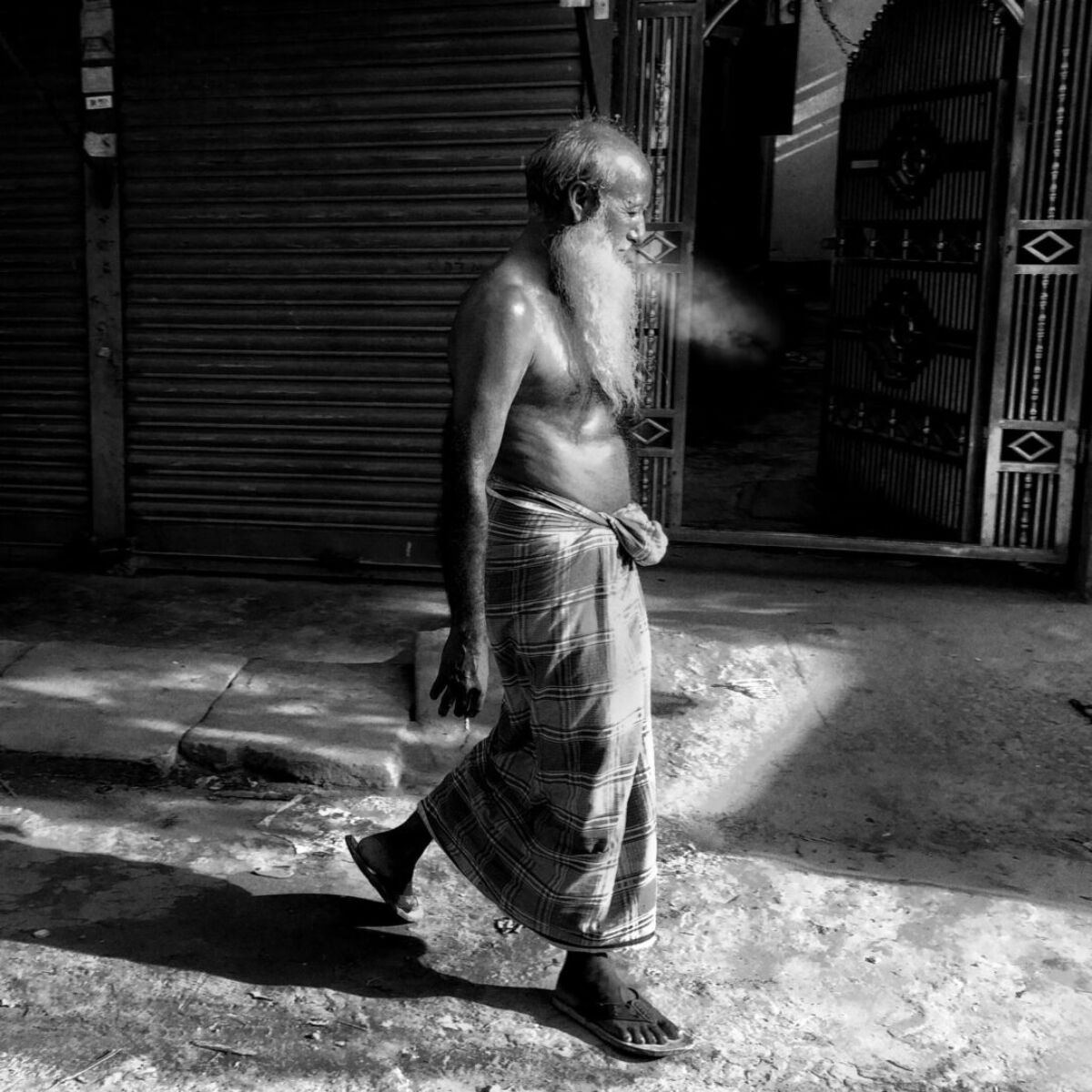
Unlearning doesn’t mean abandoning craftsmanship. It’s about refining one’s sensitivity to moments rather than measurements. The trained eye still recognizes balance, even when the frame looks chaotic. It senses harmony not in lines, but in emotions — in how the image breathes. When composition is approached this way, it becomes invisible. The photograph stops being a demonstration of skill and becomes an extension of perception itself.
Ultimately, to unlearn composition is to return to why photography began in the first place — to see. Not to arrange, not to decorate, not to impress, but to witness. The lens becomes a bridge between awareness and chance. The frame becomes a space of surrender, where control meets uncertainty. And in that surrender, storytelling becomes real again.
Because no story worth telling has ever been symmetrical. No truth worth seeing has ever fit neatly into a frame. The world has always existed beyond the grid — uneven, emotional, unpredictable. To photograph it honestly, one must first forget how to make it perfect.
Unlearning composition is not a rejection of art. It is a return to its heart — the part that still believes a photograph doesn’t have to be right to be real.