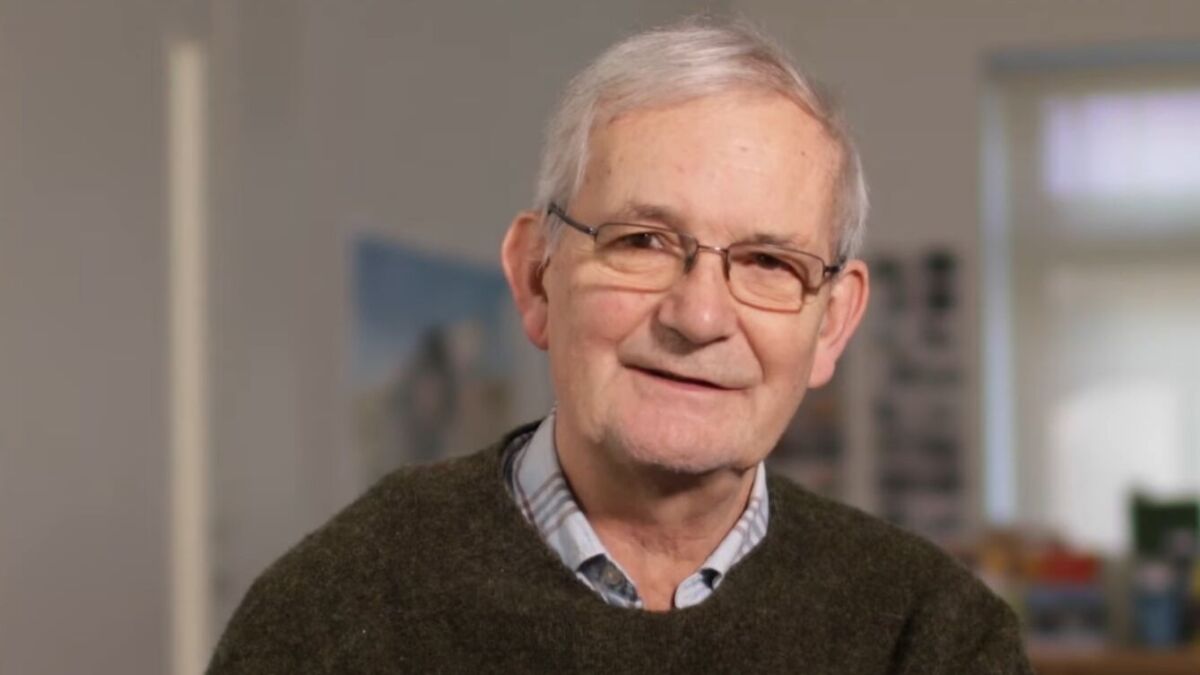
The news of Martin Parr’s death arrived gently, almost in the manner many people described him in private life. He died peacefully at home in Bristol on December 6, 2025, surrounded by the familiar world he photographed with humour, honesty and a sharp eye for human behaviour. His foundation and Magnum Photos confirmed the news the following day. They offered no detailed medical cause, though Parr had lived openly with myeloma since 2021 and continued chemotherapy while staying active in the work that shaped his entire adult life. A close friend said he died while watching football, a quiet moment that felt fitting to those who knew how he lived.
In the hours after his death was announced, photographers, curators and students began sharing small stories about the man behind the images. Many spoke about his ability to make something ordinary feel revealing. Others remembered how his pictures of crowds, beaches, markets and holidaymakers carried a mix of humour and tenderness that came only from long observation. Parr’s photography was never interested in glamour. It was rooted in the small habits of people, in their routines, their awkwardness and their comforts. That approach became the style that shaped him and, in many ways, shaped the generations that followed.
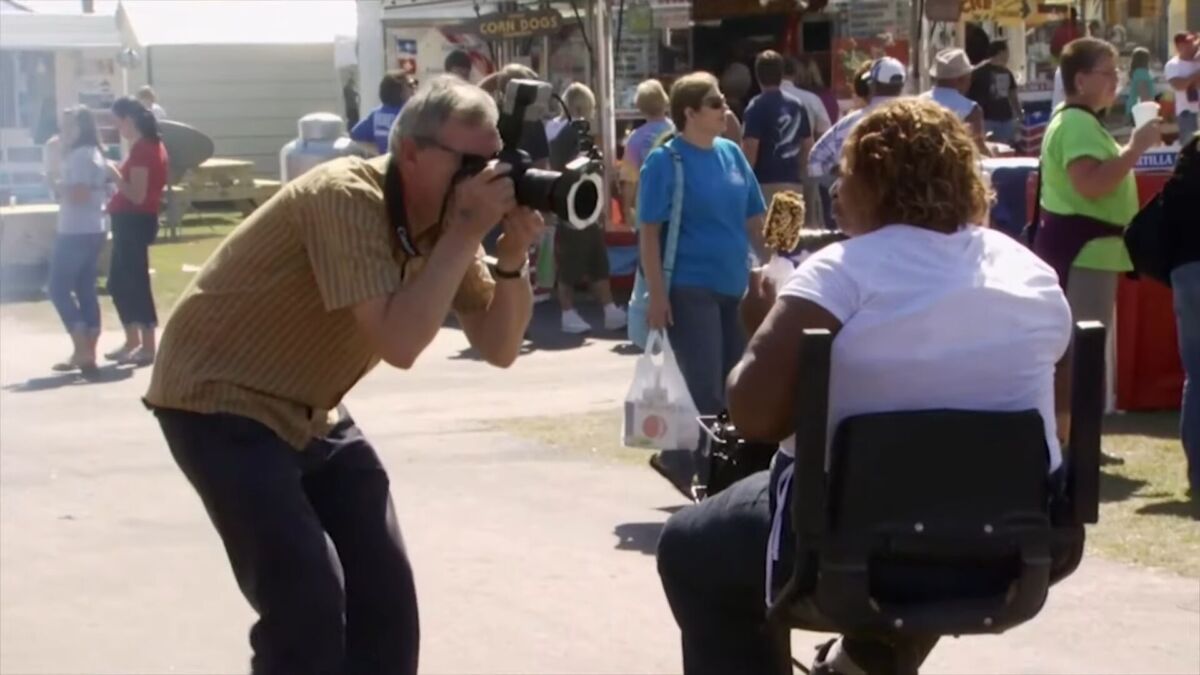
For many, The Last Resort remains the moment when Martin Parr stepped into public attention. Shot in the 1980s at a run-down seaside resort, the series showed families and children in spaces most people walked past without noticing. It sparked arguments about representation and class, but it also opened new conversations about what documentary photography could look like. Today it is taught in classrooms, discussed in festivals and still referenced as a turning point in British photography. What once felt too bright, too sharp or too playful is now recognised as one of the most important visual records of its time.
Across his career, Parr published more than one hundred photobooks. He travelled constantly, photographed constantly and worked with a pace that surprised many who met him. Even while undergoing treatment for cancer, he remained involved in projects, exhibitions and the daily conversations that formed the centre of his life. His autobiography, released only months before he died, captured his voice in a way many readers described as open and unfiltered. It was a simple blend of pictures, notes, small memories and observations that felt very close to how he spoke.
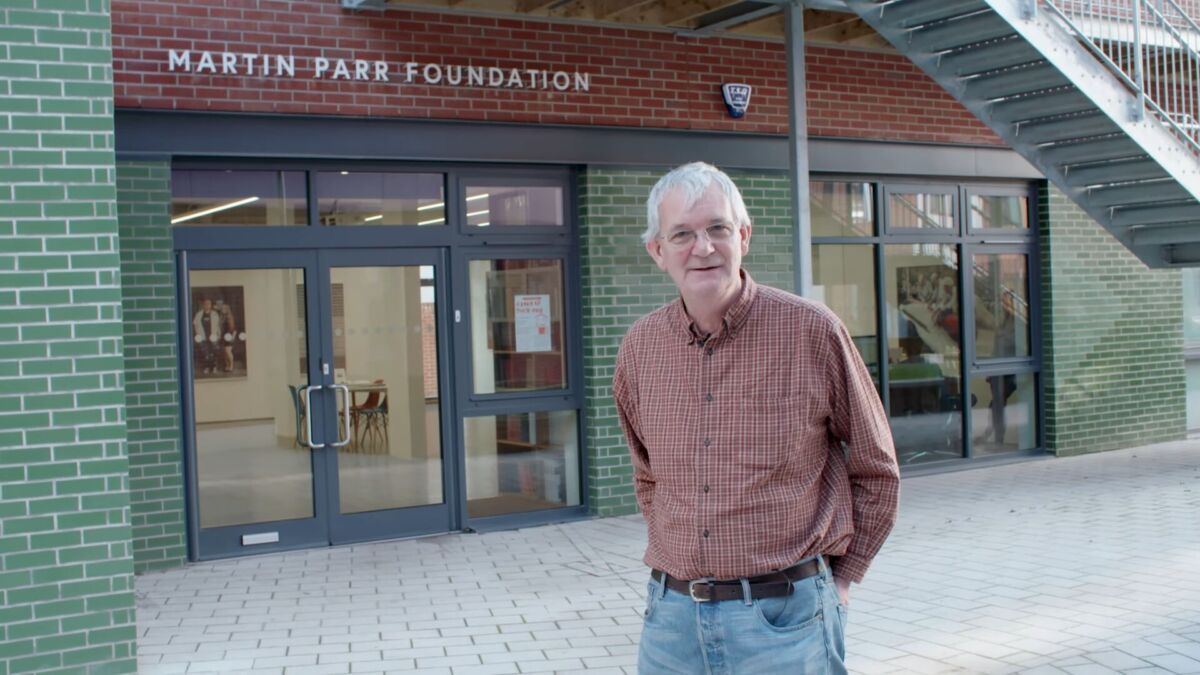
The Martin Parr Foundation, opened in Bristol in 2017, stands as one of his most generous contributions. The foundation preserves his archive, but it also supports emerging photographers and keeps an active programme of exhibitions and talks. For young artists, it remains a place where photography feels alive, accessible and connected to the world outside the gallery.
In the days following Martin Parr’s death, tributes have focused not only on his influence but also on the warmth people felt around him. Some remembered his patience with photographers just starting out. Others remembered how he would stay long after events finished, speaking with whoever wanted to talk. His career stretched across continents and decades, yet the stories that appear now are mostly quiet ones: small conversations, simple kindnesses, moments that stayed with people far more than they realised at the time.
Martin Parr is survived by his wife Susie, their daughter Ellen, his sister Vivien and his grandson George. As the photography world takes in the news of his death, there is a sense of gratitude for the way he paid attention to life, not from a distance but from within it. His influence will continue to grow, carried forward by the thousands who learned to look a little closer because of him.