The final days of the Second World War brought one of the most destructive developments in human history. In early August 1945 the United States deployed atomic weapons against the Japanese cities of Hiroshima and Nagasaki, marking the first and only time nuclear bombs have been used in war. These explosions caused immense destruction and loss of life, reshaping global politics and military strategy for generations.
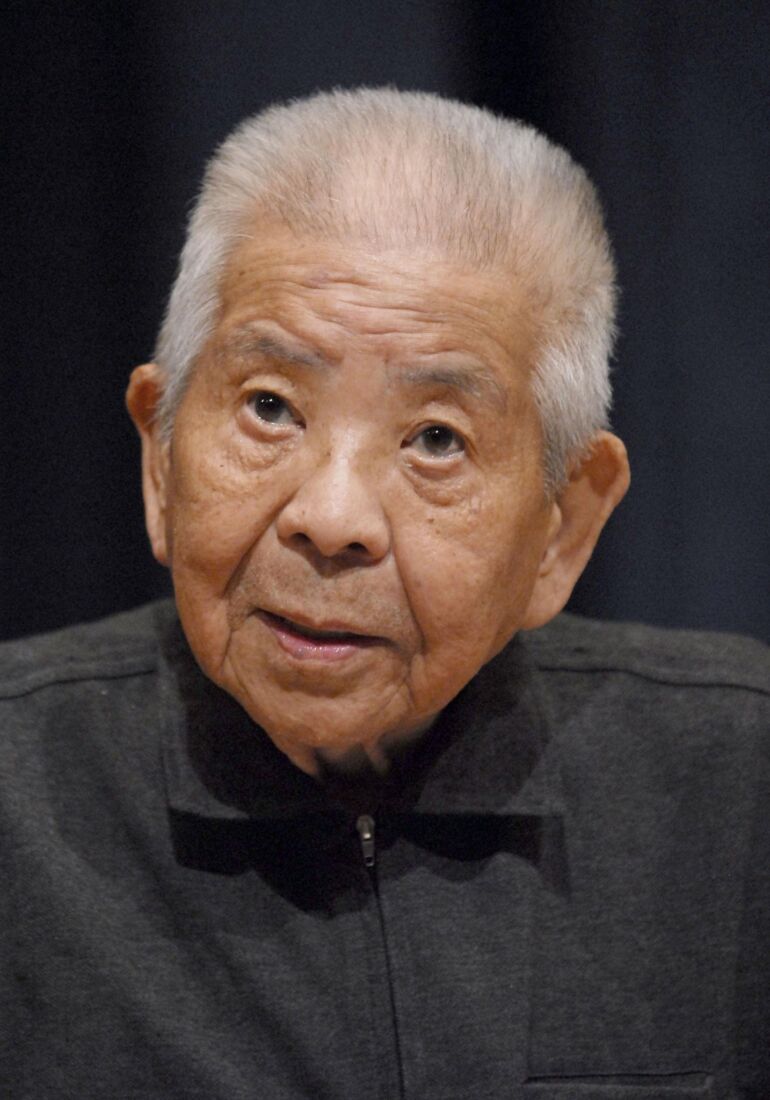
Amid the devastation of those days, the story of one Japanese engineer later captured worldwide attention. Tsutomu Yamaguchi, a shipbuilding engineer working for Mitsubishi Heavy Industries, happened to be in Hiroshima on a business trip when the first atomic bomb was dropped on the morning of August 6, 1945.
That morning Yamaguchi had just stepped off a streetcar and was walking toward the shipyard where he was assigned to work. At approximately 8:15 a.m., the sky above Hiroshima flashed with a blinding white light. The explosion occurred when the atomic bomb known as “Little Boy” detonated high above the city.
Yamaguchi later described the moment he saw the aircraft overhead.
“I looked up into the sky and saw the B-29, and two small parachutes falling down.”
Moments later the bomb exploded, releasing an enormous burst of heat and pressure. The shockwave threw Yamaguchi into a nearby field. The intense flash burned parts of his face and arms, and the blast ruptured his eardrums.
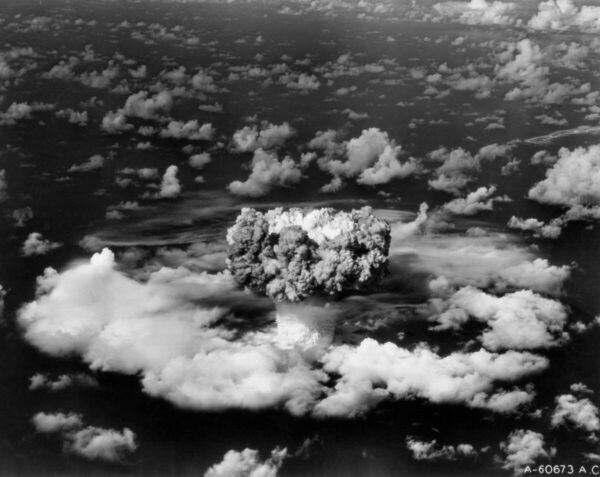
Despite his injuries, he survived the immediate explosion. Hiroshima was quickly engulfed in chaos as buildings collapsed, fires spread through the city, and survivors attempted to escape the devastation.
After spending the night in a damaged shelter, Yamaguchi managed to reach a train station the following day. Even with his injuries, he boarded a train and returned to his hometown of Nagasaki, where his family lived.
Two days later, on the morning of August 9, he reported to work at the Mitsubishi office in Nagasaki. Still bandaged from his injuries, he was explaining the destruction he had witnessed in Hiroshima when the second atomic bomb was dropped.
At 11:02 a.m., the bomb known as “Fat Man” exploded over Nagasaki.
The building where Yamaguchi was located partially shielded him from the blast, although the explosion once again knocked him to the ground. Once again he survived the immediate effects of the atomic detonation.
In later interviews he described the surreal experience of witnessing two nuclear explosions within such a short time.
“The mushroom cloud rose high into the sky again. I thought I had seen it before.”
Yamaguchi eventually recovered from his injuries and lived for many decades after the war. In 2009 the Japanese government officially recognized him as a nijū hibakusha, a person who survived both atomic bombings.
His story became widely known internationally as historians documented personal experiences from the final days of the war.
Although his survival was extraordinary, Yamaguchi often emphasized that many others had suffered far greater losses. He later spent years speaking publicly about the dangers of nuclear weapons and advocating for nuclear disarmament.
Reflecting on his experience, he once explained why he felt it was important to share his story.
“My double radiation exposure is now an official government record. It can tell the younger generation the horrifying history of the atomic bombings.”
Tsutomu Yamaguchi passed away in 2010 at the age of 93. His life remains one of the most remarkable personal stories connected to the atomic bombings of Hiroshima and Nagasaki.
Through his experience, history records not only the destructive power of nuclear weapons but also the resilience of individuals who survived one of the most devastating moments of the twentieth century.