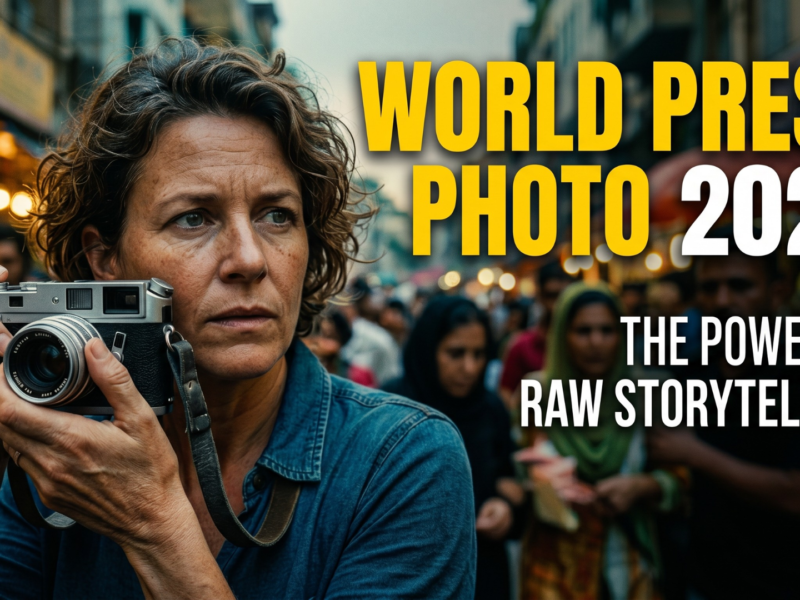
The current imaging landscape often feels like an arms race. Sensors read out in fractions of a millisecond. Autofocus algorithms lock onto a subject before the human brain even registers the movement. We are surrounded by tools engineered to eliminate friction and guarantee that every frame is sharp, properly exposed, and technically flawless. But technical perfection rarely equates to a compelling narrative. In the relentless rush to capture everything at high frame rates, there is a very real danger of seeing nothing at all.
The antidote to this frantic pace is a deliberate return to slow observation. This is not about rejecting new tools or ignoring the benefits of hybrid camera systems. It is about refusing to let the machine dictate the rhythm of the shoot. True documentary work requires a complete immersion in the environment. It means lingering on a street corner long enough to understand the shifting geometry of the shadows. It involves waiting for the precise moment when the physical elements and the emotional tension align. This patient approach builds a visual depth that rapid-fire bursts simply cannot manufacture.
The Discipline of Invisibility
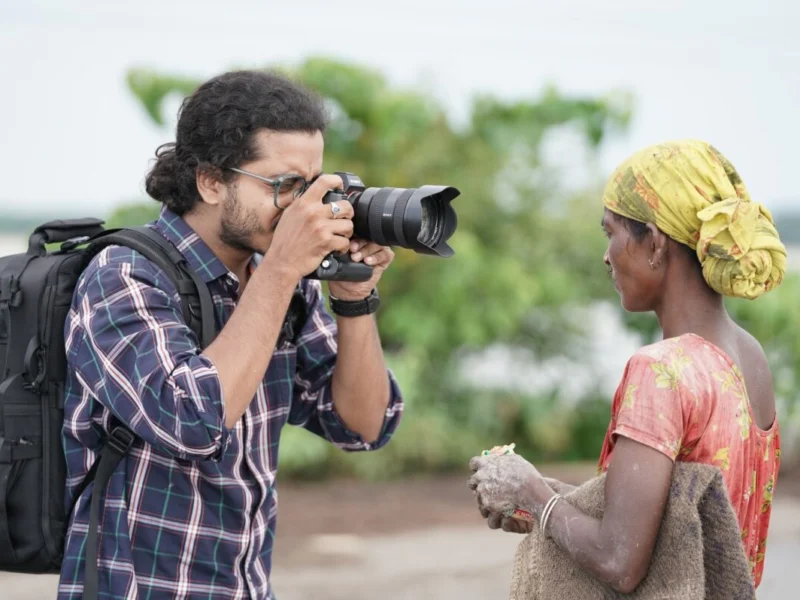
To capture a raw, unscripted moment, the photographer must learn how to disappear. The presence of a lens naturally alters human behavior, often prompting defensive postures or manufactured smiles. Breaking through that initial barrier requires time and genuine presence.
When you rush into a space, shoot indiscriminately, and leave, the resulting images lack gravity. They become mere visual data. True storytelling happens when you let the environment breathe. You find the frame, establish the composition, and let life unfold within those four walls. It is a cinematic approach that treats a single photograph like a paused frame in a much longer motion picture. The viewer should feel the weight of what happened just before the shutter clicked, and anticipate what will happen immediately after. This level of anticipation cannot be programmed into an autofocus tracking system. It comes from human intuition and practiced patience.
The Anchor of Monochrome
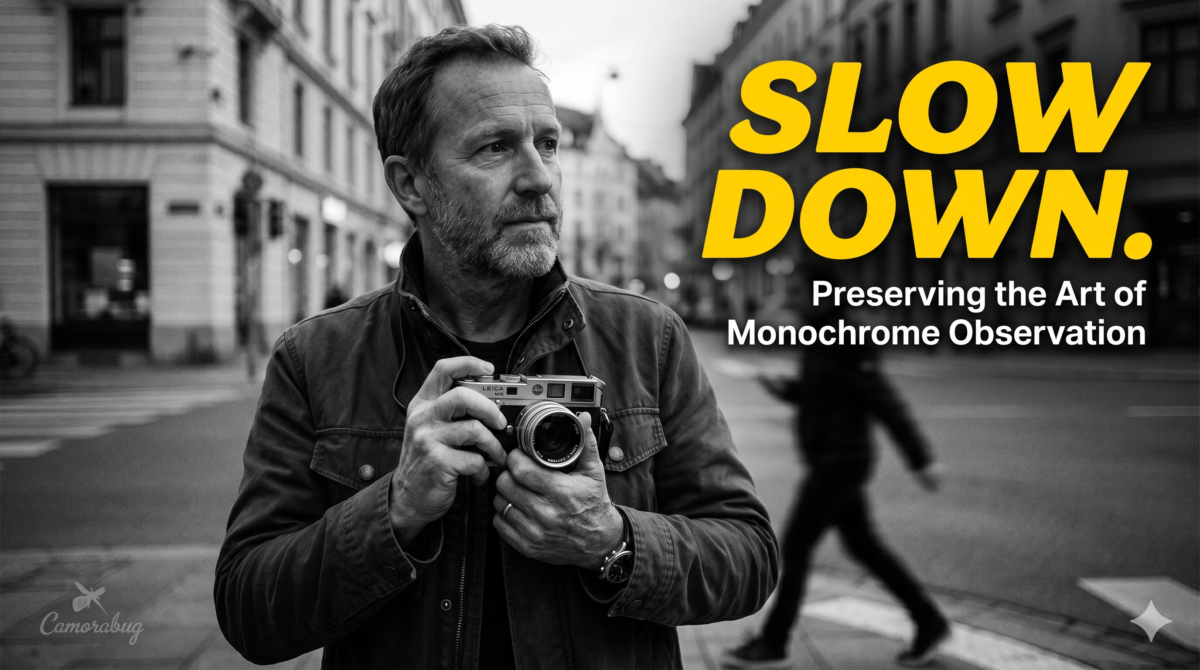
Stepping away from the noise of hyper-reality often involves stripping away the distraction of color. Choosing a black and white aesthetic forces a necessary slowdown in the creative process. The scene must be evaluated entirely on its structural merits, relying on contrast, light, and form.
Without vibrant hues to lean on, the raw human element must carry the entire weight of the frame. It is an intentional, almost stubborn choice that strips the image of immediate modernity. Color can sometimes date a photograph or anchor it too firmly to a specific commercial trend. Monochrome acts as a translator. It distills complex reality into its fundamental emotional components. This approach anchors the photograph in a timeless narrative tradition, demanding more from the person behind the lens and offering a more profound emotional return to the viewer.
Building Intentional Narratives
Ultimately, the equipment in our hands is secondary to the vision in our minds. Establishing a lasting visual brand requires a distinct voice rather than just ownership of the latest sensor. Audiences connect with intent. They recognize the inherent difference between a picture captured by a rapid-fire computer and a photograph crafted by a patient observer.
The process of building a narrative requires thinking in sequences. A single strong image is an achievement, but a cohesive series of images creates an entire atmosphere. Photographers who excel in documentary storytelling understand how to pace their work. They know when to pull back for a wide, environmental establishing shot, and when to push close to capture the subtle tension in a subject’s hands. This editorial pacing builds a rhythm that keeps the audience engaged long after the initial glance.
The Return to Tangible Media
This philosophy extends directly to the physical presentation of the work. As the digital world becomes increasingly saturated with AI-generated perfection and disposable content, the physical print is experiencing a massive resurgence. When preparing images for print sales or longform editorial layouts, the intentionality of the shot becomes magnified.
A carefully observed, unscripted moment printed on fine paper holds a tangible authority. It demands to be looked at, not just scrolled past. Establishing a commercial print business is not just about revenue; it is about taking ultimate control of how the work is experienced. The transition from a backlit screen to an archival cotton rag paper fundamentally changes the relationship between the viewer and the image. It transforms a fleeting digital file into a permanent artifact of human observation. It stands as a quiet rebellion against the disposable nature of modern digital content, proving that patient, deliberate storytelling will always hold value.