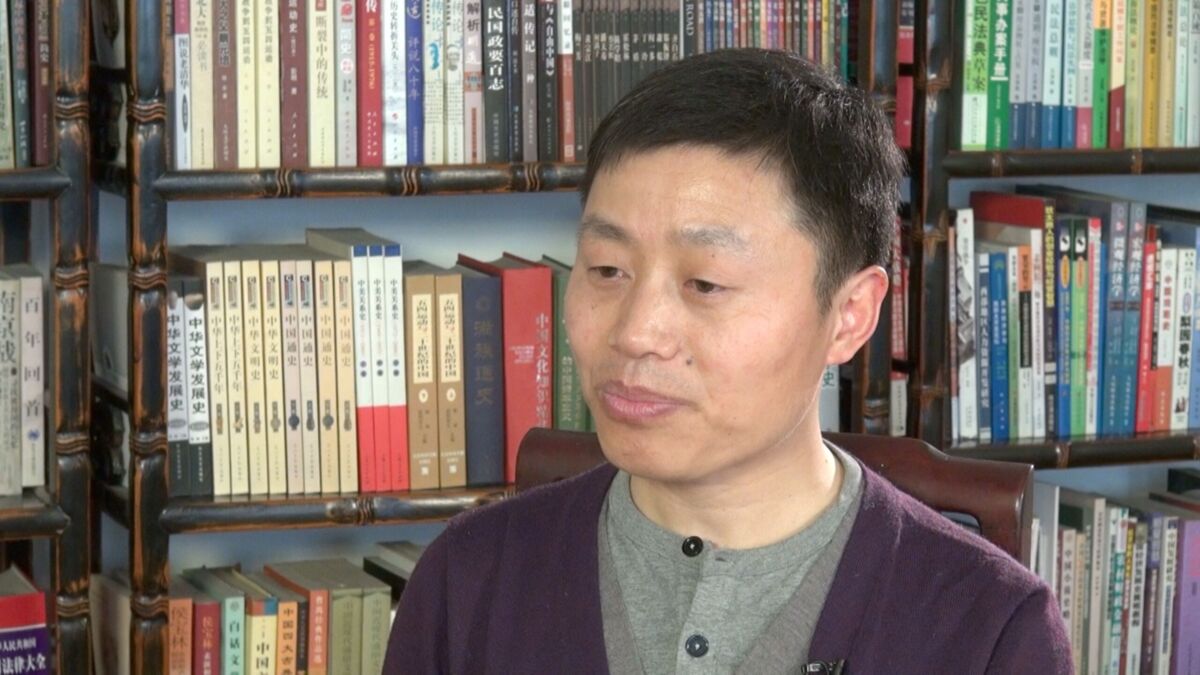
A familiar portrait of Du Bin often circulates alongside his work, showing him seated quietly in a room lined with books. That picture has taken on a heavier meaning as colleagues, rights groups, and supporters raise concerns following his detention in Beijing.
The photojournalist, known for his sensitive storytelling and his ability to listen deeply to the people he photographed, has now been held for more than a month. Public information about his case remains limited, and the silence surrounding his situation has unsettled many who have followed his career.
Du had been caring for his mother, who was in hospital, and preparing to travel overseas when authorities arrived at his home the evening before his departure. His sudden detention left his family grappling with uncertainty, and the passing days have only added to their concern.
Press freedom organisations monitoring the region have noted that the charge associated with his case is broad and frequently used, making it difficult for families and colleagues to understand the specifics of what has occurred. These groups stress that early communication and transparency are essential for ensuring fairness, and when such information is limited, it amplifies the emotional burden on relatives and the wider community hoping for clarity.
Du’s career has been defined by patient, long form storytelling. In the early years of his work, he spent time among communities in Beijing whose struggles rarely found room in mainstream coverage.
He photographed workers, migrants, elderly residents, and individuals living on the margins of the city. His photography often carried the feeling of someone who spent long hours walking, watching, and listening before lifting the camera.
His approach relied on patience and respect. He allowed conversations to unfold at their own pace, and many of his subjects opened up because they sensed this quiet sincerity. Over time, his photographs formed a record of human stories that existed beneath the surface of urban life, stories often overshadowed by the pace and rhythm of the city.
The move into documentary filmmaking expanded his ability to listen and record. One of his most discussed projects emerged in 2013, when he released a documentary centred on the stories of women inside a labour camp.
The film travelled far beyond China and generated discussions well outside the region. Many viewers described the documentary as intimate and measured. It allowed individuals to speak about their experiences without embellishment, and that quiet honesty made it powerful in ways that stayed with those who watched it.
The release of the documentary led to a period of detention that introduced new risks into his work. Yet even after that, Du continued writing books that explored historical events, political environments, and the social conditions shaping everyday life. His writing and filmmaking never aimed to provoke. Instead, they documented experiences as they were lived, capturing details that offered a clearer picture of changes affecting ordinary people.
His colleagues often describe him as patient, observant, and committed to the idea that stories matter even when they are uncomfortable or difficult to document. For many, his work provided a window into lives that seldom receive attention. It reflected the importance of listening to individuals whose daily experiences often remain invisible.
The contrast between this quiet approach and the seriousness of his current situation has resonated widely. Supporters say they feel a deep sense of concern not only for the photographer but also for the broader message this detention sends to those continuing similar work.
The absence of clear public updates after more than forty days in custody has drawn stronger reactions from press freedom organisations. These groups argue that transparency is essential for maintaining public trust and protecting journalists. They explain that when transparency is limited, journalists become more vulnerable to procedural delays and misunderstandings, and the emotional toll on families increases dramatically.
The conversation surrounding Du’s detention is not limited to China. Around the world, journalists face environments where access to information can shift quickly. Some regions deal with legal restrictions, while others grapple with surveillance, hostility, or financial pressures that affect newsroom capacity.
Despite these differences, press freedom organisations say there is a shared need to protect independent reporting. Without it, the public cannot properly understand the societies in which they live. Without safe conditions for journalists, stories that need to be told risk fading before they can be documented.
Du’s work often revealed small but meaningful details: the quiet determination of workers returning home late at night, the patience of petitioners waiting outside offices for answers, the resilience of individuals navigating complicated situations. These images were never designed to shock. They were steady observations of everyday life, and they created a connection between viewers and subjects that felt grounded and real.
When journalists like Du are unable to continue this work, the absence is felt deeply. Communities that relied on his attention lose a voice willing to record their experiences. Audiences lose access to the subtle details that help shape public understanding. Supporters say this loss is one of the reasons his detention has drawn such strong emotional reactions.
As the days continue, international advocacy groups have maintained their call for his release. They urge authorities to communicate clearly, allow access to legal support, and ensure that the process reflects fairness and transparency. They argue that independent journalism is essential for recording human experiences, especially in societies undergoing rapid transformation.
They also stress that the treatment of one journalist often signals broader conditions. When detentions occur without clear information, other reporters may hesitate to pursue stories that require time, sensitivity, and the willingness to work in challenging environments.
Observers watching the case say the hope is for a resolution that respects fundamental principles associated with press freedom. They emphasise that such values must exist not only in discussion but in practice. When journalists are supported, societies gain a richer understanding of themselves. When they are restricted, public awareness narrows.
The emotional impact on those who know Du or who have followed his work remains significant. His photographs and films carried a sense of calm observation, a quality that many fear may disappear if reporters face increasing risks simply for documenting reality.
His detention has encouraged fellow photographers, filmmakers, and journalists to reflect on the balance between recording truth and managing the pressures surrounding that work. Some say the case has reminded them of the emotional cost of independent reporting. Others view it as a moment that reinforces the need for solidarity, especially for those documenting stories that are otherwise difficult to hear.
What remains clear is that Du’s work mattered to many. His images offered insight into moments of quiet resilience, deep uncertainty, and everyday life. His documentaries and books expanded public understanding of experiences that would otherwise remain hidden. His detention has now become part of a larger story about the risks and responsibilities connected to independent journalism.
For his supporters and colleagues, the hope remains that clarity and fairness will guide what happens next. As they wait for updates, the calls for openness, transparency, and the protection of press freedom continue to shape the discussion surrounding his case.
Press Freedom Update
Further reading from an international press freedom institution: https://rsf.org/
For more newsroom reports, visit https://camorabug.com/category/news
Why has Du Bin’s detention raised global concern?
Because press freedom groups note that the lack of clear information and use of broad charges reflect wider risks for independent journalists.
How long has he been in custody?
He has been held for more than forty days, with limited public updates about his condition or the legal process.
Why does this case matter beyond China?
Global press freedom organisations say such cases influence how secure journalists feel when reporting on sensitive issues, regardless of region.
What have advocacy groups requested?
They have called for transparency, communication with his family, and assurance of fair treatment under international standards.
How has Du’s work influenced public understanding?
His long form photography and documentaries highlight social issues that rarely appear in mainstream news, offering insight into everyday experiences often overlooked.

- Panasonic LUMIX 40mm f/2 S Lens and S9 Special Edition Announced at NAB 2026 - April 21, 2026
- How to Shoot Alone Without Losing Motivation - April 14, 2026
- How “Community” Became a Marketing Strategy - February 15, 2026