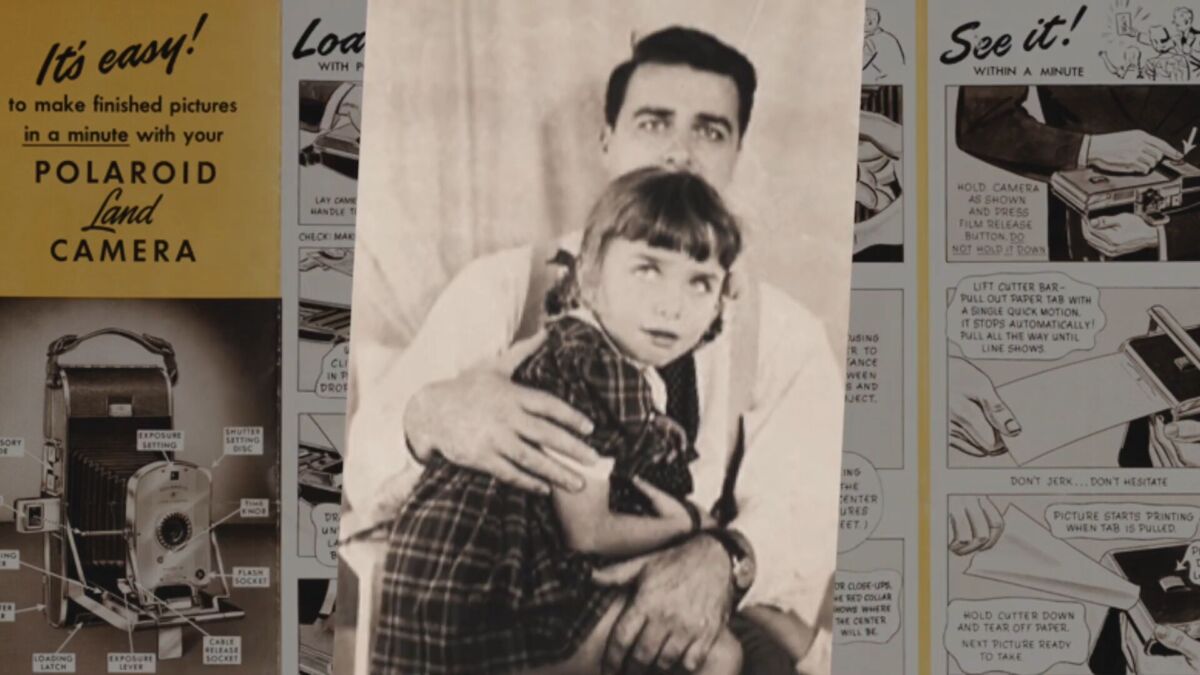
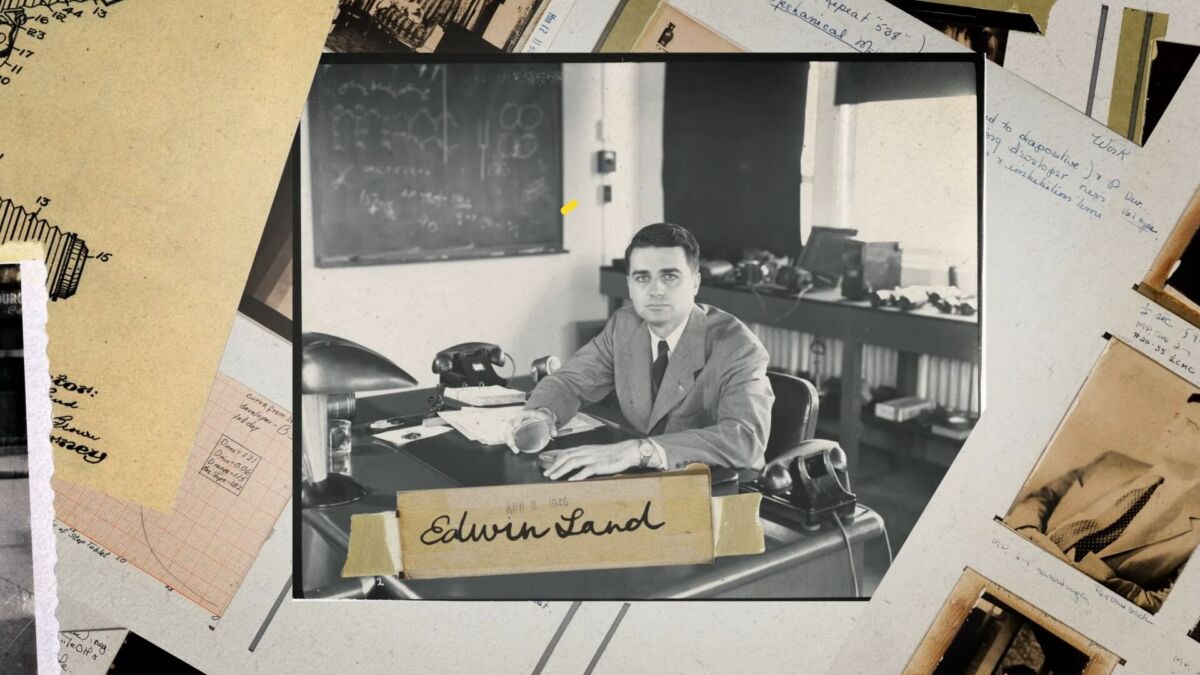
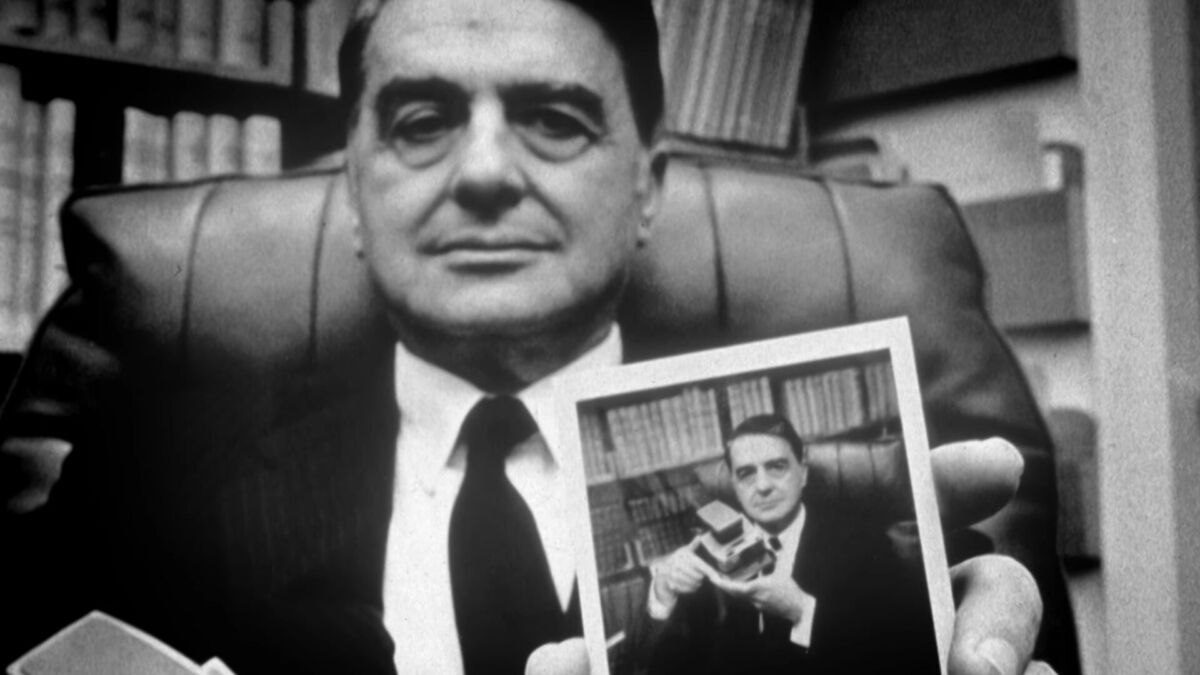
When American inventor Edwin Land photographed his three-year-old daughter during a family outing in the 1940s, he expected the moment to end like every other photo taken in that era — with a long wait for the picture to be developed. But his daughter’s response changed the course of photographic technology. She looked at her father and asked why she couldn’t see the photo immediately. Land later said he saw her question as a puzzle to be solved, and within four years, he produced a camera that fundamentally altered how people captured memories.
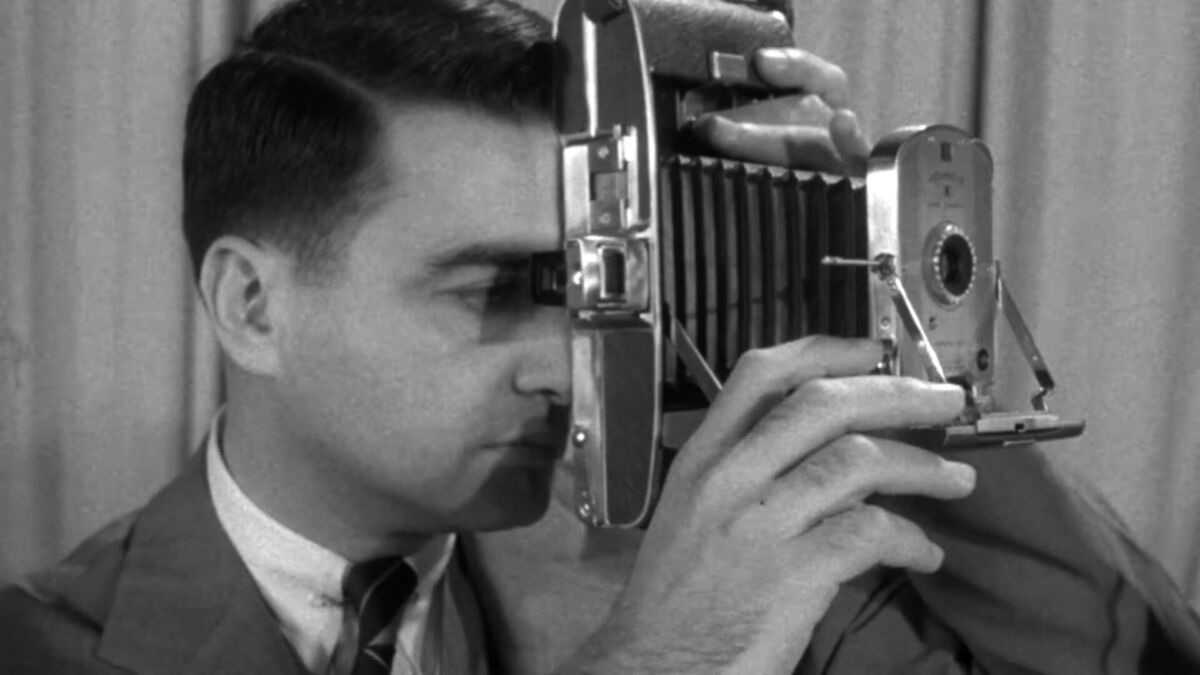
On November 26, 1948, the first commercial Polaroid camera went on sale in Boston. It sold out within minutes. The device used a self-developing film system that delivered a finished photograph in under a minute, eliminating the need for darkrooms or processing labs. The idea was so revolutionary that within a decade the Polaroid Corporation became a household name and instant photography a cultural phenomenon. By the 1960s, company figures suggested that nearly half of all American households owned a Polaroid camera.
For many early users, the camera’s magic was hard to describe. Tourists reportedly gasped when they saw the first images appear before their eyes. Inventor and entrepreneur Florian Kaps, who later led the campaign to rescue Polaroid after its decline, compared the public reaction to the unveiling of the iPhone—an innovation so unusual that it immediately captured the world’s imagination. Kaps emphasized that Polaroid technology democratised photography, putting image-making into the hands of people who had never considered themselves photographers. It also removed the filtering and judgment of photo labs, which quietly opened the door to more private and experimental uses of the camera.
Artists quickly recognised the potential of instant photography. The release of Polaroid’s colour film in 1963 expanded creative possibilities further, allowing photographers to explore new palettes, tones and textures. Andy Warhol used Polaroids to produce casual celebrity portraits that became central to his work. David Hockney, Maripol, Ansel Adams and Robert Mapplethorpe also embraced the format, and designers and filmmakers used the cameras to test light, sketch ideas and build visual references. As writer Ruby Mitchell observed, instant colour film gave Polaroid “a new palette of expressive possibilities,” helping cement its place not only in everyday life but also in the history of visual art.
The digital photography boom of the early 2000s nearly ended Polaroid’s story. After two bankruptcies, the company announced in 2008 that it would stop making instant film altogether. But Kaps, who had already begun collecting Polaroids, launched what became known as the Impossible Project, acquiring Polaroid’s final factory and developing new film formulas to keep the format alive. The project eventually grew into a revived Polaroid company that now produces both film and modern instant cameras for a new generation of users.
Kaps believes the format’s survival reflects a renewed appetite for tangible, physical imagery. At a time when most photographs exist only on screens, the chemical process of watching an image slowly appear on a square of film feels almost miraculous. For many, that slow reveal — the wait, the anticipation, the moment of emergence — remains the heart of Polaroid’s enduring charm.
Seventy-seven years after its debut, the Polaroid camera continues to occupy a unique place in photography. What began with a child’s simple question grew into a global cultural force, shaping art, technology and everyday life. And on this anniversary, the invention stands as a reminder of how curiosity can spark an entire era of visual storytelling.