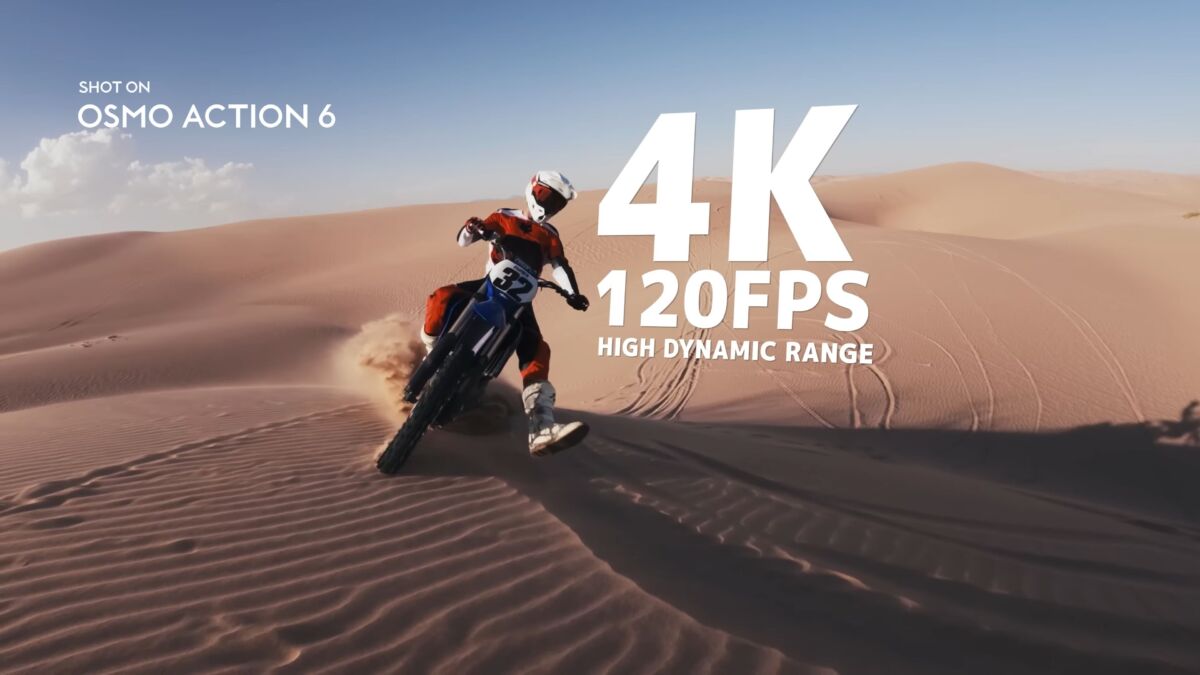
The moment comes in a blur of dust and motion. A photographer braces a mount on a rugged terrain, the wind biting, the slopes steep, and the light shifting faster than the shutter clicks. In that moment, the camera is not a passive witness—it becomes an extension of vision, an active participant in creation. For many of us who travel, who document, who feel that the world won’t wait until we’re ready, this kind of gear matters more than ever.
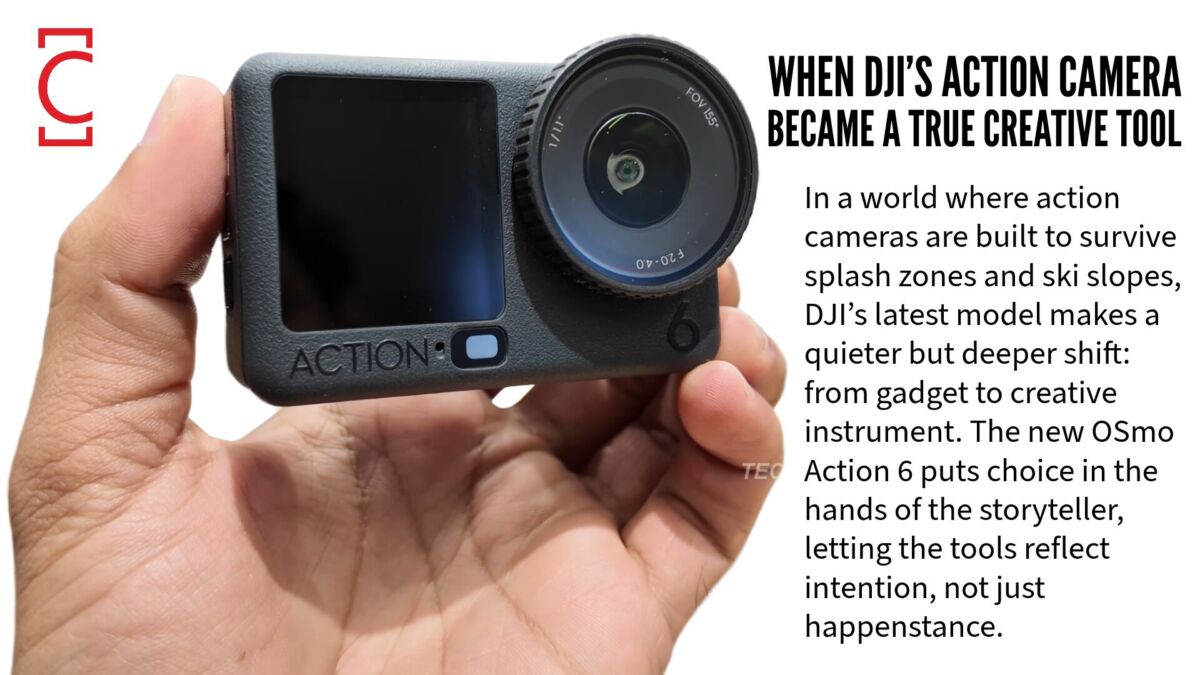
Which is why the recent announcement from DJI Osmo Action 6 matters. Because it isn’t just another model in the lineup; it signals a deeper change in what an action camera can do—not simply survive the conditions, but shape them.
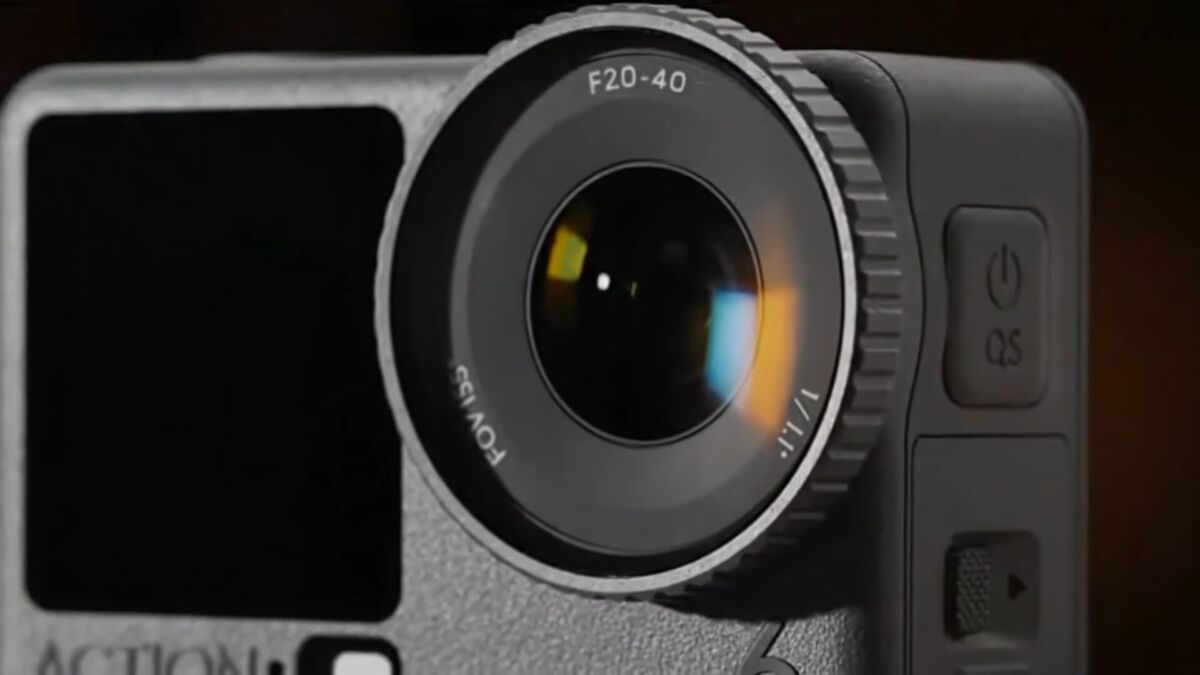
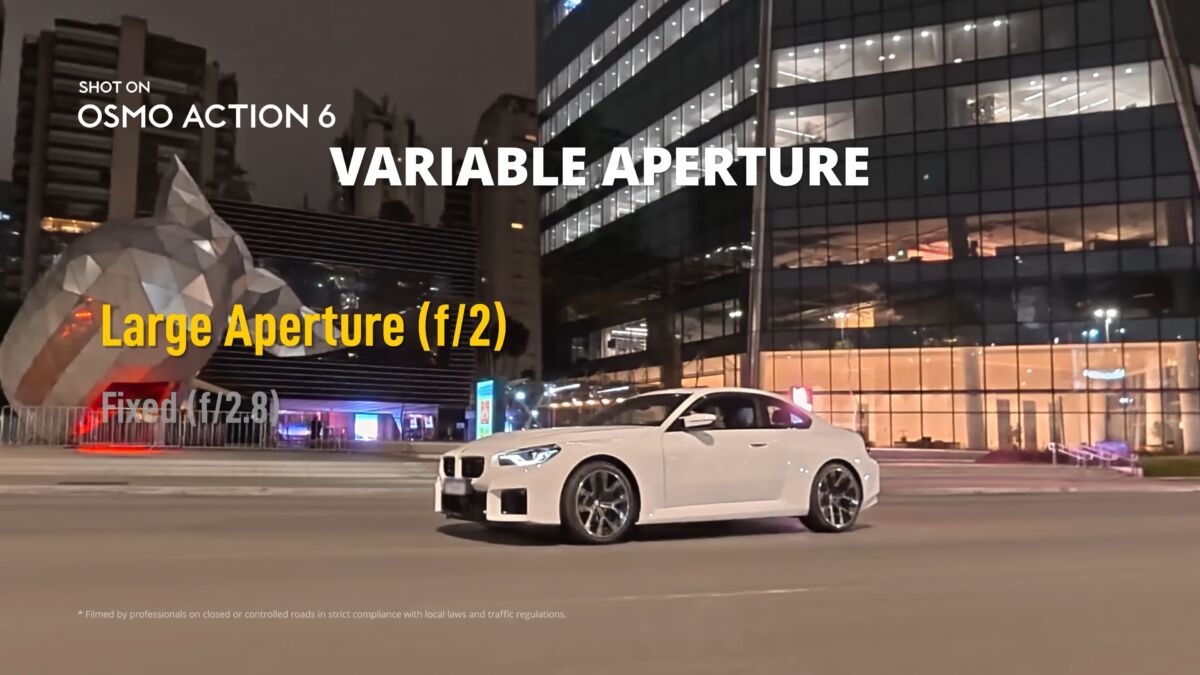
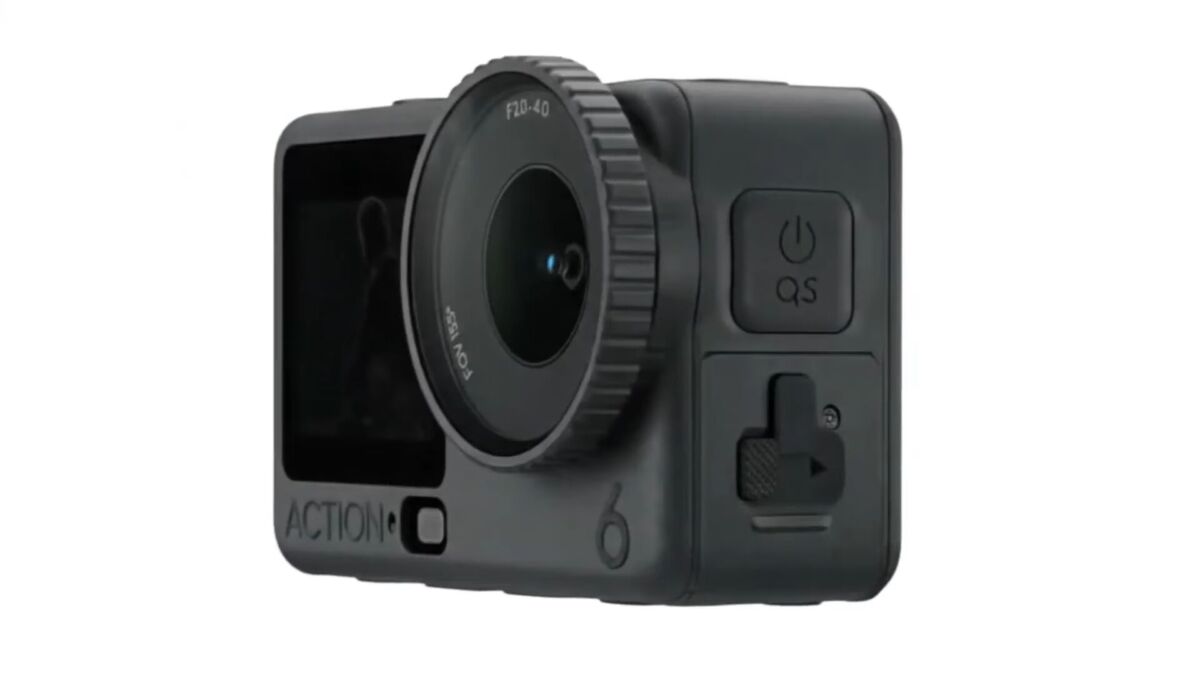
At first glance, the Action 6 looks familiar. The same compact form, the same rugged body, the same magnetic mount system that allows you to fling a camera into motion and trust it to hold on. But beneath the surface lies a lens that carries intent: a variable aperture ranging from f/2.0 to f/4.0. Until now, action cams have largely been fixed-aperture devices—open wide, take what comes. To see aperture become a creative choice in that category is meaningful.
And then the sensor: the 1/1.1-inch square CMOS, larger than many earlier action-cam sensors, and capable of richer light gathering, stronger dynamic range, and more flexibility in framing. The square shape of the sensor—unusual in this field—gives you room to shoot now, crop later, adapt outputs to vertical or horizontal, social or cinematic, without losing the edge of what you captured. In effect, the camera doesn’t ask you to conform to it; it asks you how you want to see.
For creators in the field—those who carry gear across rainstorms, muddy trails, bustling festivals, sunbleached deserts—this is the kind of upgrade that matters quietly. It isn’t about chasing more megapixels for bragging rights. It’s about adapting to light when you can’t control it, it’s about framing your story when you don’t have a studio. It’s about letting the tool honour your vision, not limit it.
I remember being on assignment in Assam where the monsoon arrived like a surprise guest: heavy clouds, shifting light, reflections on wet ground, people moving and water flowing—all at once. I had a compact setup for mobility, but the shadows were deep and the highlights fierce. On nights like that, you long for a body that can flex, not just hold on. That is the promise here: more than endurance, more than resilience—it’s responsiveness.
In practice, the Action 6 offers you an aperture that opens wide when you’re in low light (f/2.0) and can close down (f/4.0) when you’re in bright sun, giving you depth of field choice, highlight control, and in some cases, the chance to use natural fall-off rather than relying on ND filters or post-trickery. Reviewers note the flexibility as one of its standout features. The larger sensor helps too, giving a baseline of image fidelity that makes even rugged footage feel deliberate.
This shift is important because context matters. In action-camera work we seldom get perfect light. We seldom capture on our terms. The terrain moves. The weather shifts. The story forces us forward. So to have a camera that responds—not just reacts—is powerful.
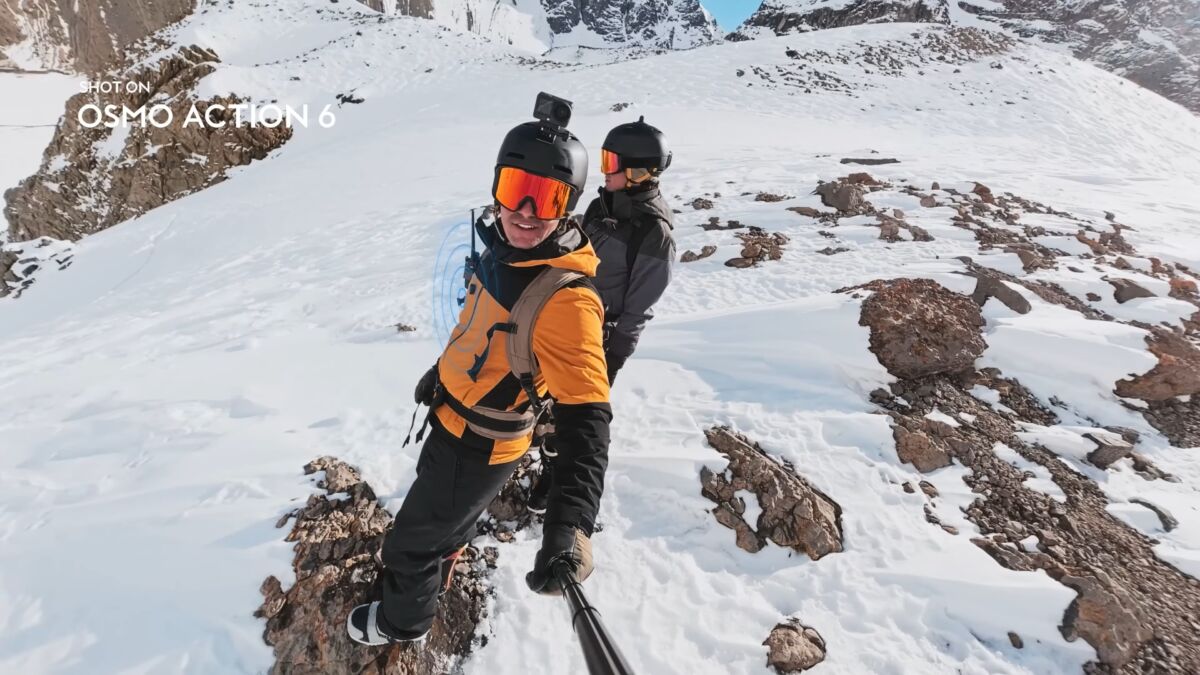
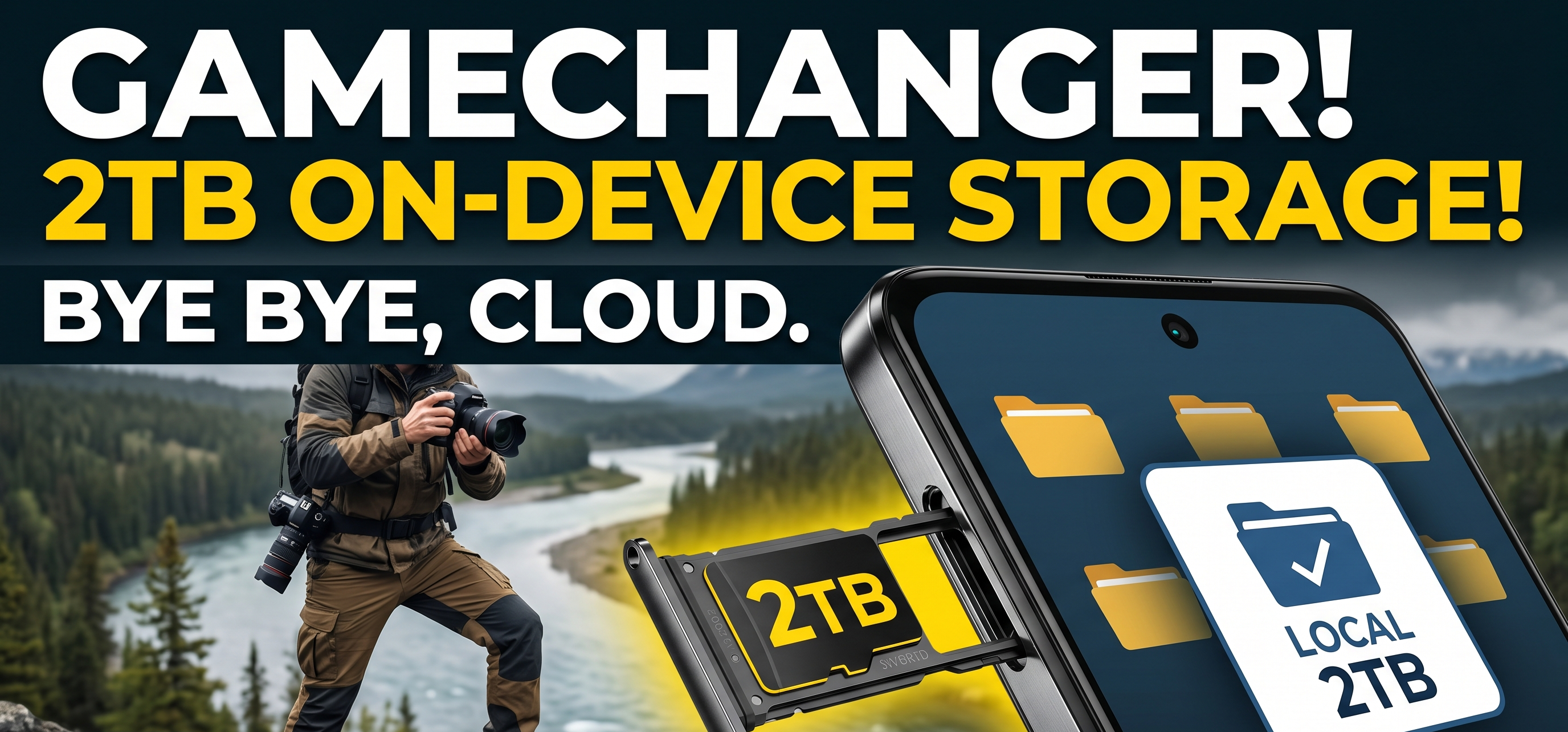
But quality gear isn’t just about specs. It’s about letting the creator breathe, and worry less about gear logistics. To that end, the Action 6 includes internal storage (50GB), microSD support for up to 1TB, dual touch-screens, improved audio, and a battery rated for up to 4 hours under ideal use. These upgrades might seem incremental, but when you’re working long hours in demanding terrain, they compound into fewer interruptions, fewer sacrifices.
The question arises: for whom is this camera built? Is it for the adrenaline-storm content maker alone? The skier, the diver, the mountain biker? Certainly yes. But also for the storytellers who move across contexts: the travel photo-journalist, the street shooter who might mount the action cam for high vantage or unusual angles; the hybrid creator who wants robustness and aesthetic flexibility.
In other words: the camera is built not just to follow action, but to elevate it. To turn what was once “just a rugged camera” into “a creator’s camera.”
Of course, there remain caveats. If you already own a recent model from DJI’s line, the leap may feel less dramatic—some reviewers suggest that. And market availability may vary (in some regions restrictions apply). Yet the broader significance is beyond any one transaction.
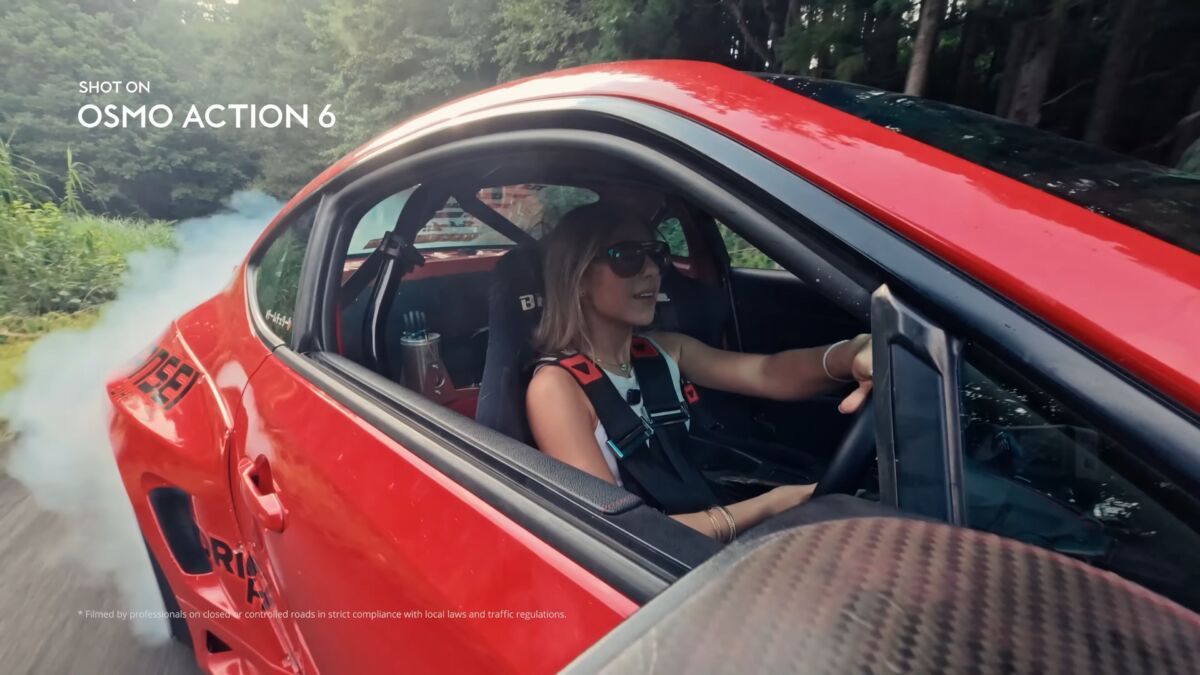
For graphic storytellers in India and northeast regions—where light can shift moment to moment, where outdoor conditions vary wildly, where gear access and service may be constrained—this camera offers something different: control without sacrifice, mobility without too much compromise, creative latitude without heavy rigs.
In the larger arc of photography and videography, this kind of gear evolution signals maturity. The era of “more specs, more hype” is giving way to “more control, more meaning.” When a camera equips you not just to survive the conditions but to shape the story, it becomes part of the craft rather than just the kit.
Picture a scene: the sun has just set over a river in Assam. The pink glow fades into deep blue twilight. You mount the action cam on a small boat, water lapping, lanterns reflected on surface, people moving silently. The camera opens to f/2.0 to let in the last light. You switch to a slower shutter. You capture the shimmer, the movement, the atmosphere. Later, you crop the footage for vertical social upload, yet retain the detail and depth you achieved. That kind of flexibility used to belong to larger rigs. Now it fits in your backpack.
And that is the quiet revolution: the relocation of creative power to the tool that follows you—not you accommodating the tool. It’s a shift from “fit my gear into the moment” to “gear fits around my moment.”
With this in mind, for Camorabug’s audience of visual storytellers, creators and independent photographers who traverse place and culture, the arrival of the DJI Osmo Action 6 is worth more than just reading specs. It invites us to rethink how we shoot in imperfect light, how we compose when the world moves too fast, how we keep our gear light but our vision full.
In the end, the tool doesn’t make the artist—but when the tool aligns with the artist’s needs, the distance between intent and image narrows. With its variable aperture, larger sensor, and design built for creative agility, the Osmo Action 6 encourages that alignment. It reminds us that even in the most ephemeral moments—action, travel, street, documentary—the image remains first. The tool exists to serve that image, not overshadow it.
And for anyone who carries a camera into the unpredictable, the rugged, the fleeting—it offers the freedom to say: yes, I will capture that scene. And I will do it my way.