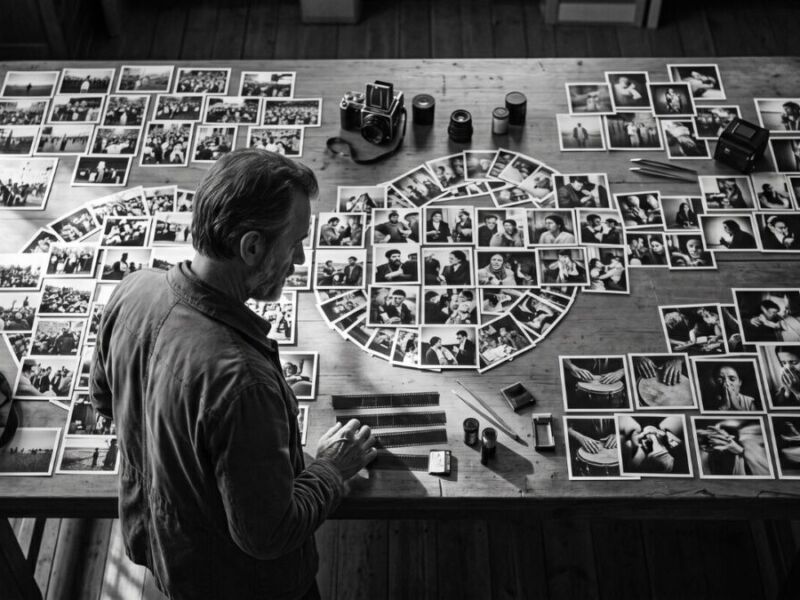
There was a time when pressing the shutter meant something. It was not casual, and it was not endless. Each frame carried weight because it came from a decision. You waited, you observed, and only then did you raise the camera. What you captured was not just an image, but a moment you had understood enough to keep.
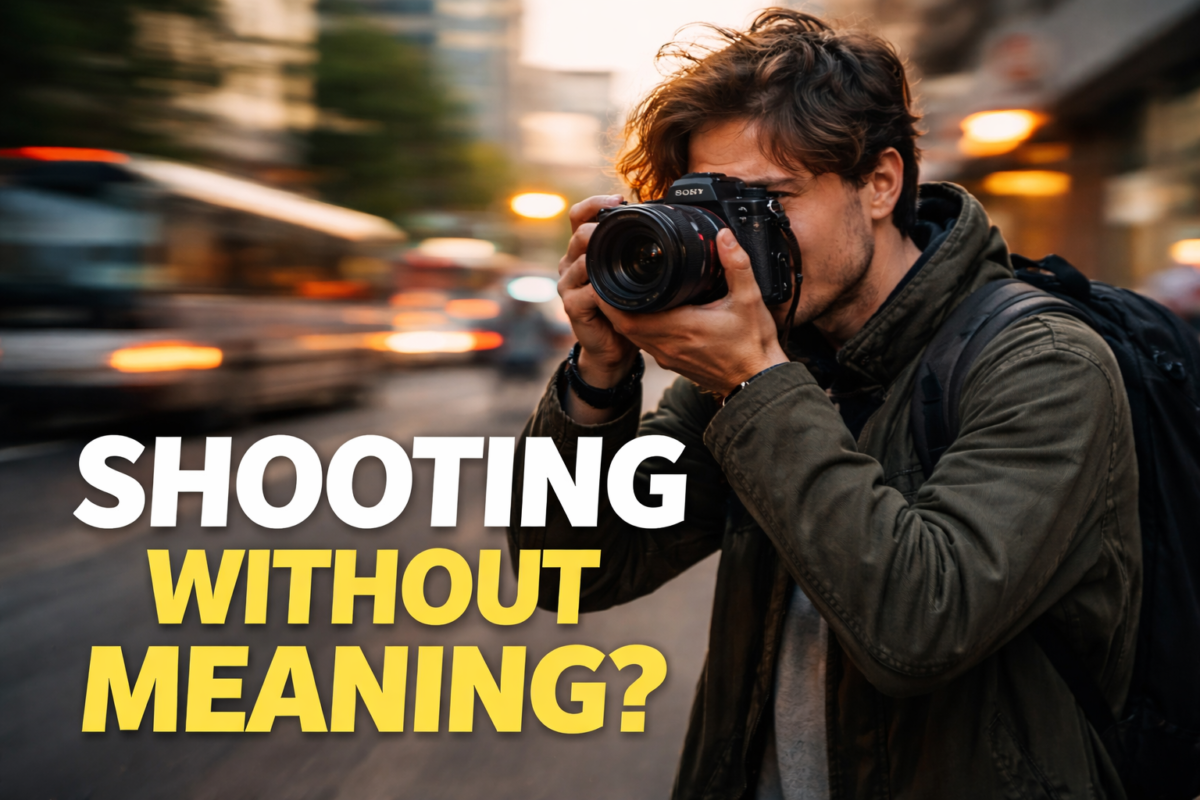
That rhythm is slowly being replaced by something faster and far less deliberate. Photography today often moves ahead of thought, where the camera is lifted before the moment is fully seen. Frames are taken not because they matter, but because they might. What was once a conscious act is now becoming a reflex, shaped less by observation and more by the quiet pressure to keep producing. In this shift, shooting without meaning is no longer occasional. It is becoming routine, and that routine is beginning to resemble something closer to addiction.
The modern photographer rarely allows space for stillness. There is always something to capture, something to share, something to maintain presence. The pressure is subtle but persistent, built into the way platforms reward visibility and frequency. If you are not posting, it feels as though you are disappearing. That sense of urgency changes the way photographs are made. You begin to shoot in passing moments, in fragments of time that have not been fully understood, and over time the connection between seeing and photographing begins to weaken.
This is where the deeper problem starts to take shape. When photography turns into repetition without intention, it gradually loses its centre. Images begin to resemble one another, not because the world lacks variety, but because the photographer is no longer responding to it with awareness. Instead of engaging with life, the act of photographing becomes a reaction to the need to produce. Production takes over from creation, and while the difference between the two may seem subtle, it changes everything about the work that follows.
There is a clear distinction between being active and being present, yet the current environment often blurs that line. Shooting frequently is not the same as shooting with purpose, but frequency is what gets rewarded. As a result, many photographers begin to prioritise visibility over meaning. A photograph is no longer evaluated by what it expresses, but by how often it appears. It becomes part of a continuous stream, designed to keep attention rather than to hold it. These images pass quickly through the viewer’s mind, rarely staying long enough to leave an impression.
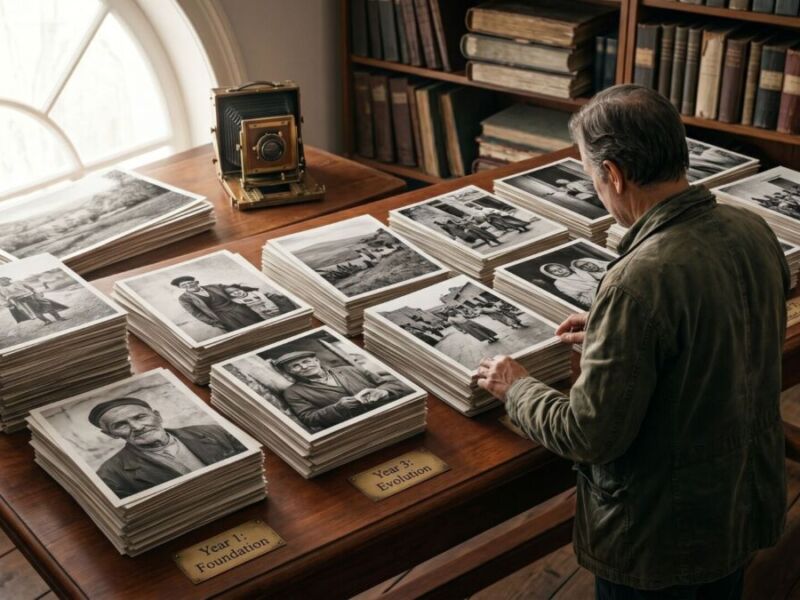
Over time, this affects not only the audience but also the photographer’s relationship with their own work. Photography was never meant to be constant. Its strength has always come from selectivity, from the ability to recognise when not to press the shutter. That discipline is what allowed certain images to stand apart and carry weight. Without it, everything begins to feel equal, and when everything feels equal, very little remains memorable.
This is why so many photographers find themselves feeling stuck even while producing more work than ever before. The issue is not always a lack of creativity, but an excess of output without reflection. When images are created continuously, they rarely have time to settle. They are edited quickly, posted quickly, and forgotten just as quickly. The process moves forward, but understanding does not deepen, and without that understanding, growth becomes difficult.
The cycle continues because it feels productive. There is always movement, always activity, and that activity creates the impression of progress. In reality, it often prevents it. The photographer remains busy, but direction becomes unclear, and the work begins to lose its sense of purpose. At the same time, audiences are becoming more perceptive. Even within fast moving platforms, people can sense when an image lacks substance. They may still engage, but the connection is weaker, because images made without intention rarely stay with them.
What people remember are moments that feel genuine, and those moments require meaning. This is where the shift needs to happen, not in technique or equipment, but in intention. The question becomes simple again, yet it is often overlooked. Why am I taking this photograph. Not every scene needs to be captured, and not every moment benefits from being turned into an image. Sometimes, choosing not to shoot creates the space needed to truly see what is happening.
When that space exists, the act of photographing changes. You begin to notice details that would otherwise pass unnoticed, and your timing becomes more precise because it is guided by understanding rather than impulse. The shutter is no longer a reaction. It becomes a response, and that response carries a different kind of weight. The photograph feels necessary rather than optional.
This does not mean reducing the number of images for the sake of it, but restoring awareness to the process. The difference between impulse and intention becomes central. In a time when cameras have made photography easier than ever, the challenge is no longer technical. It is knowing when to stop, and that is a far more difficult discipline to develop.
Stepping back from the constant need to produce requires a different mindset. It means accepting that not every day needs to result in a photograph, and that absence does not erase presence. In many cases, it strengthens it. Periods of quiet allow perception to sharpen and ideas to form. When you return to the act of shooting, it is no longer driven by habit but guided by purpose.
This is where photography regains its depth. Not in the number of images produced, but in the few that endure. The photographs that stay are not always the most technically perfect, but they are the ones that feel necessary. They carry something beyond the surface, something that connects both the photographer and the viewer to the moment in a lasting way.
The danger of shooting without meaning is not simply that it produces weaker images. It is that it produces forgettable ones, and over time, forgettable work becomes a pattern. The photographer continues to move, but without a clear direction, and that is where the real cost lies.
Because photography has never been about capturing everything. It has always been about recognising what matters. When that sense of recognition is lost, no amount of output can replace it. The way forward is not complicated, but it does require intention. Slow down, allow moments to unfold, and give your work time to exist before replacing it with something new. Sometimes, the most important photograph is the one you choose not to take.
FAQ
What does shooting without meaning mean in photography
It refers to taking photographs without clear intention or purpose, often driven by habit or the need to stay active online.
Why is this becoming common
Social media pressure and constant content demand are encouraging photographers to shoot more frequently, often without deeper thought.
Does shooting more improve photography skills
Not always. Without reflection and intention, frequent shooting can lead to repetition rather than improvement.
How can photographers avoid this habit
By slowing down, being more selective, and focusing on why a photograph is being taken.
Is it better to shoot less
Quality and intention matter more than quantity. Shooting less with purpose often leads to stronger work.