I’ve always believed that black and white isn’t an aesthetic choice as much as a way of listening. It’s the quiet in a world that is too often loud, the moment after someone exhales, the hour before dawn when everything feels unfinished and honest. Whenever I lift the camera and know the frame will carry no color, something inside me slows down. The world becomes less about spectacle and more about essence, as if I’m asking it to show me not how it looks, but how it remembers itself.
My earliest memory of black and white was not a photograph, but a winter morning when I was young. The sky was a pale, tired gray and the ground, still holding the night’s frost, reflected it back like an uncertain mirror. The world felt reduced to two tones, and yet, in that reduction, everything seemed sharper — the sound of a distant train, the crisp breath of cold air, the faint outline of bare branches waiting for spring. I didn’t know it then, but I was learning that absence can be its own kind of presence, and that simplicity has a strange way of insisting on depth.
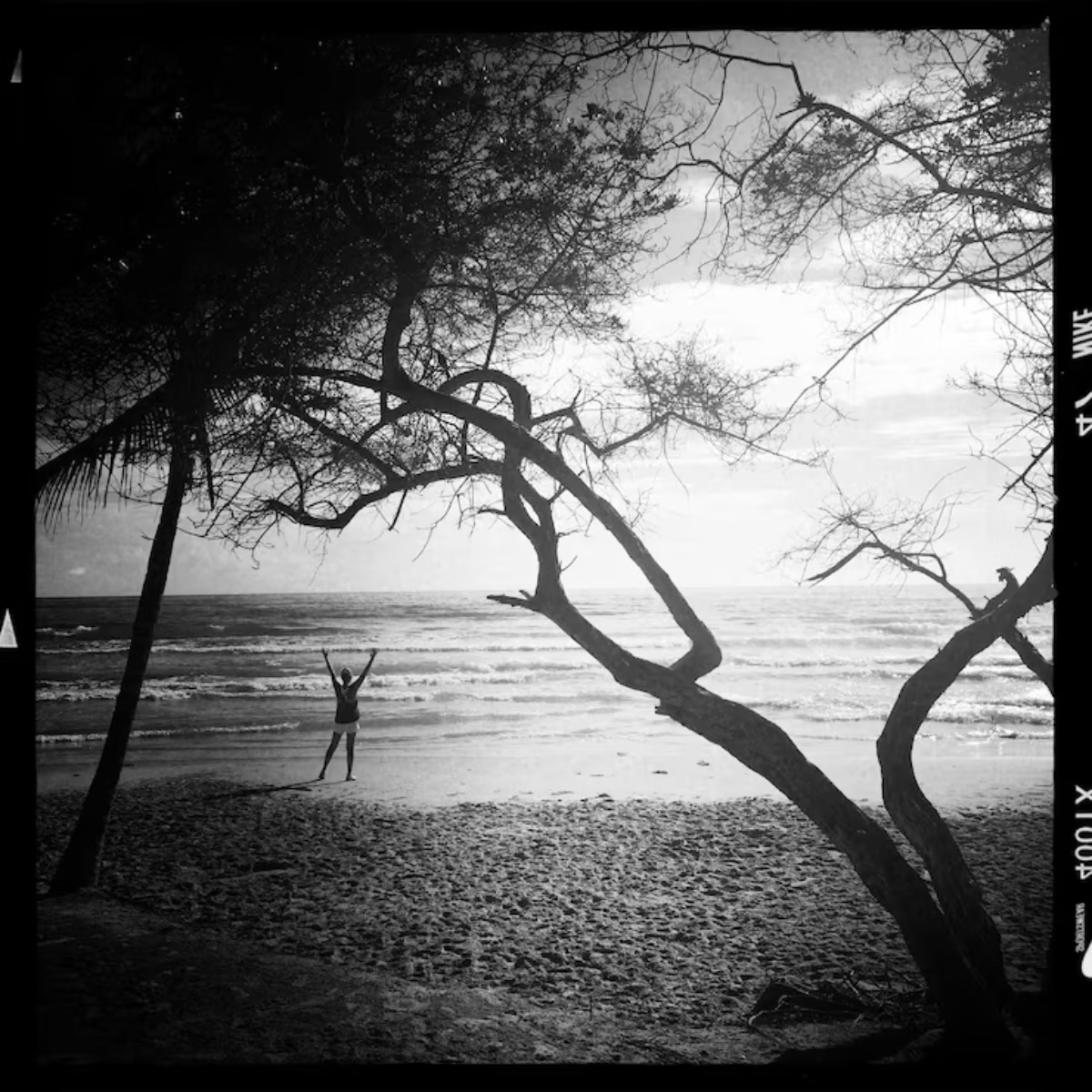
When I began photographing seriously, I chased color the way children chase fireflies — believing that saturation held emotion, that vibrancy equaled truth. But there were moments when color betrayed me, when it created a beauty that didn’t belong, when it softened something that should have been hard or decorated a scene that needed to stand undressed. And there were days when the world felt too complex to be translated the way it was, when the heart needed fewer choices, fewer distractions, fewer ways to distort what was in front of me.
Black and white gave me a language for those days. It teaches you to notice the slope of a shoulder, the hesitation in a smile, the way light rests on skin as if offering a blessing or a warning. It forces you to see shapes before stories, and stories before assumptions. It reminds you that contrast isn’t only visual — it’s emotional. It’s the tension between what is said and what is withheld, between who we are and who we hope to be.
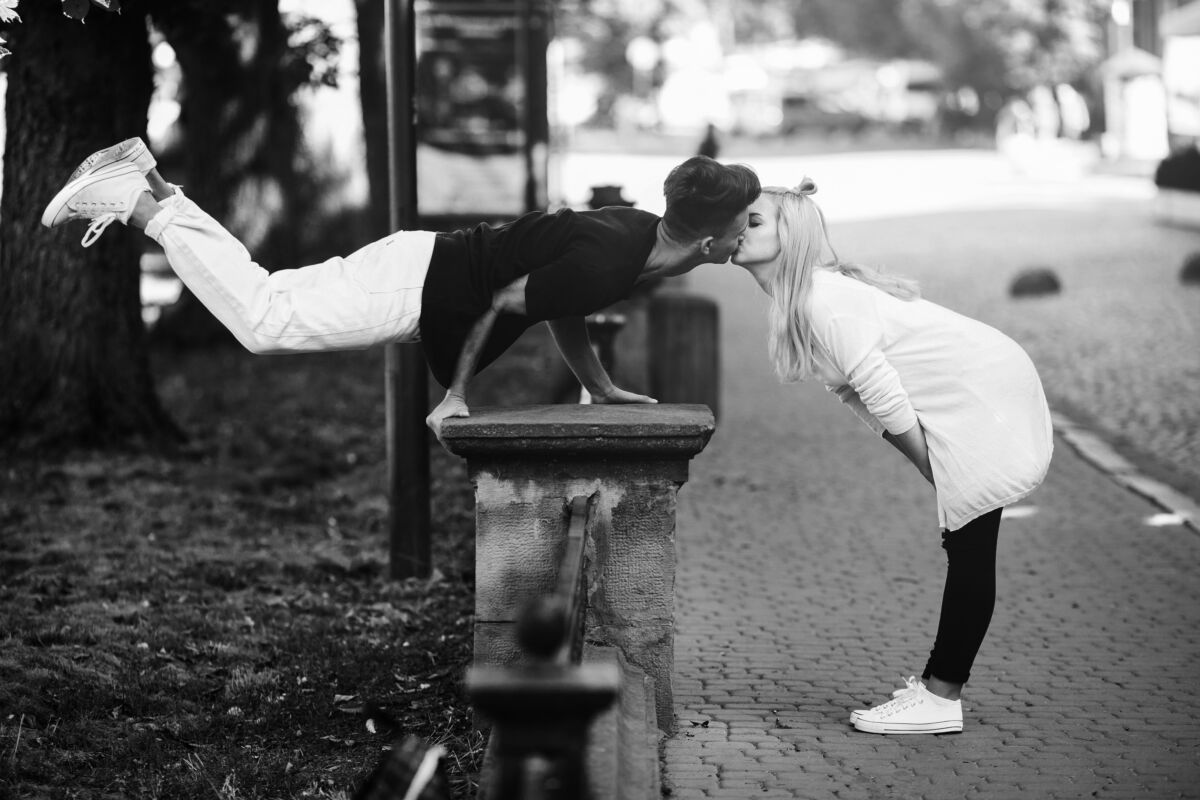
Some people say black and white feels nostalgic, but I’ve never thought of it that way. For me, it feels immediate. Present. Almost painfully so. Color can romanticize. Monochrome reveals. There is nowhere for lies to hide when everything is reduced to illumination and shadow. If a person is hurting, you will feel it in the grayscale. If they are joyful, it will radiate through the soft glow on their face. The photograph becomes a pulse.
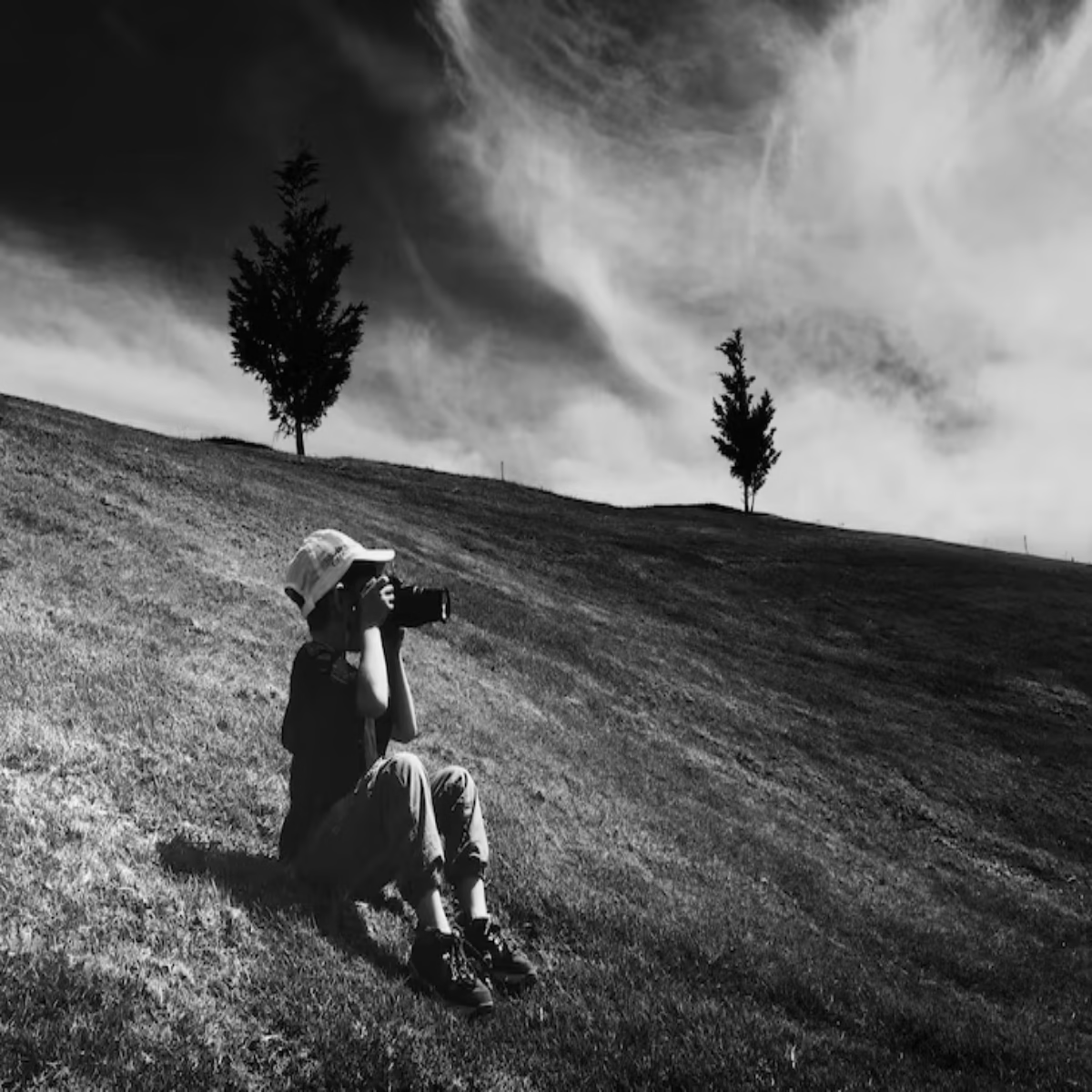
I remember once photographing an old man in a small, forgotten town. He sat outside a tobacco shop, his hands trembling slightly, not from age but from something unspoken. When I raised the camera, he looked at me with a clarity that startled me — almost as if he was giving me permission not to look away. In color, the scene would have been warm: faded red bricks, yellowed shop lights, the blue of his coat. But in black and white, it became something else. His wrinkles felt like written lines of a story he had lived too long with. The shadows around his eyes seemed to hold entire winters. The photograph didn’t ask for beauty; it asked for recognition. And he offered it.
Black and white also slows time in a way that feels almost sacred. It teaches patience, the kind you learn only from waiting for a cloud to drift into the right place or for a stranger to forget that you’re there. You begin to understand that light is not just illumination but a living thing — moody, unpredictable, sometimes merciful, sometimes not. In monochrome, you watch it move across a room like a tide, receding and returning, revealing and hiding in equal measure.
Perhaps what I love most about photographing life this way is how it shows the edges of things: not just the edges of objects but the emotional borders we draw and erase every day. A mother leaning over her child in a quiet moment becomes a study of curves and soft shadows; you feel the tenderness in the shape more than in the color. A deserted street at night becomes an anatomy of loneliness — each lamppost casting a pale slash of light that seems to separate the world into what is known and what isn’t. Monochrome has a way of turning even the simplest moment into a whisper of something universal.
People sometimes ask whether black and white is limiting. I think the opposite is true. Color often tells you what to feel — the warmth of red, the coolness of blue, the vibrancy of green. But black and white asks you to listen instead. It invites interpretation. It gives space for silence. It allows emotion to emerge without the choreography of hue. It is less about removing color and more about removing the unnecessary, letting the essential remain.
And there is something profoundly human about that. We are, after all, creatures of contrast. We are made of our brightest days and our darkest nights. We carry shadows behind our smiles and light behind our grief. Life itself is black and white long before it is anything else — a constant negotiation between what we illuminate and what we keep hidden, between the moments we share and the ones we protect.
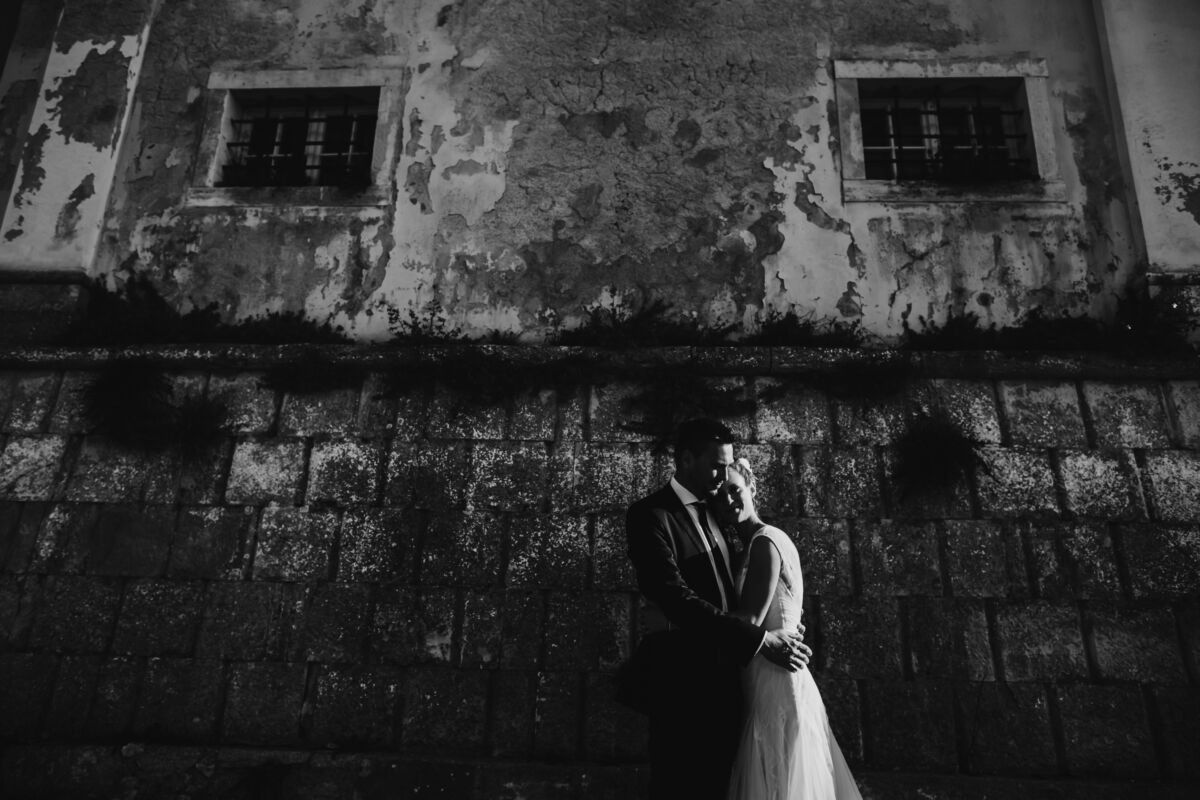
Whenever I look at a monochrome photograph, even one taken decades before I was born, I feel a strange connection to the person behind the lens. As if the absence of color makes the human presence stronger. As if the frame is no longer bound by era or place but by something deeper — the desire to understand, to witness, to hold onto a fleeting moment before it slips into memory. That, to me, is the soul of black and white photography: it doesn’t freeze time, it honors it.
Life in black and white isn’t less rich. It’s more distilled. It’s what remains after the noise fades. It’s the kind of seeing that demands honesty, both from the photographer and from the world. And maybe that’s why, every time I return to it, I feel like I’m returning to something essential — the hum of truth beneath the layers, the delicate architecture of light, the quiet courage of shadows.
In the end, black and white is not an absence at all. It is a presence — the most transparent kind. It reminds us that the world does not need to be colorful to be alive. It only needs to be seen, truly seen, in the brief and fragile moment when light and life find each other.
And as I grow older, I find myself trusting that simplicity more. Trusting the grain, the imperfections, the rawness that color sometimes smooths over. Trusting that the world, stripped to its elemental tones, still has more than enough truth to offer.
Maybe that’s the real lesson of living and photographing in black and white: that clarity doesn’t always come from what we add, but from what we allow ourselves to let go of. And that somewhere in the grayscale — in the soft ash of morning or the charcoal hush of evening — the world is still quietly asking us to look closer, to stay longer, to recognize the beauty that hides not in the colors we expect, but in the contrasts we often overlook.

- Panasonic LUMIX 40mm f/2 S Lens and S9 Special Edition Announced at NAB 2026 - April 21, 2026
- How to Shoot Alone Without Losing Motivation - April 14, 2026
- How “Community” Became a Marketing Strategy - February 15, 2026