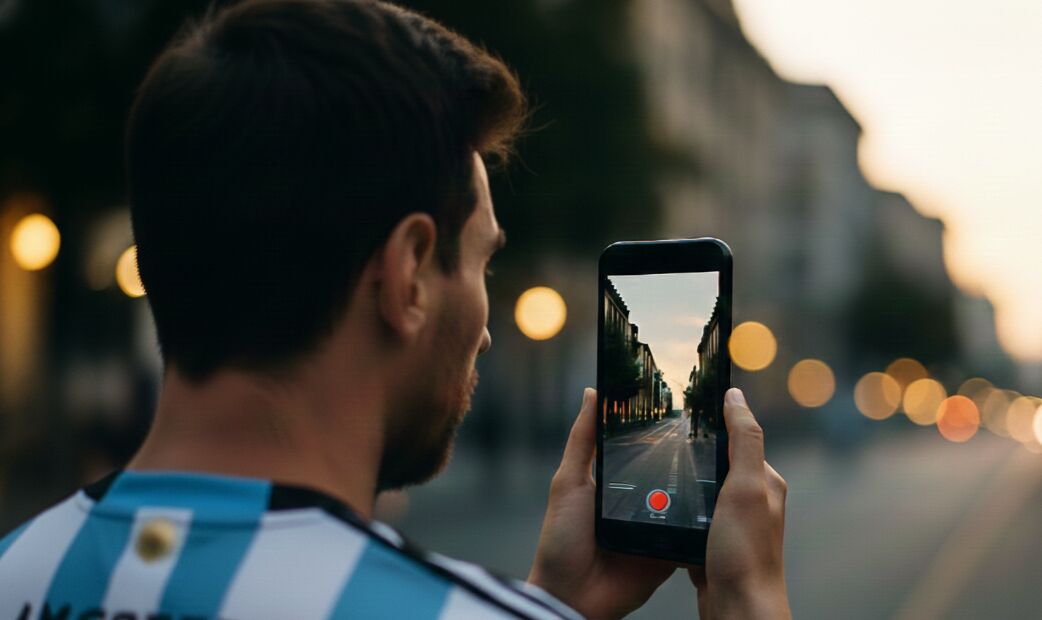
Photography changes with culture, and culture today moves through screens people hold in their hands. This simple truth shapes photography in 2025 more than any new camera or lens. People scroll through life in vertical lines. They watch stories that last a few seconds. They shoot moments that disappear by the next morning. The space where images live is now a phone screen, not a print or a large monitor. This shift influences how people frame their shots and how they tell stories. It influences choices in light, movement and timing. It influences what feels natural. Photography trends 2025 are built around this new world.
Vertical content is becoming the most natural format for everyday storytelling. Ten years ago people argued that vertical was a mistake. They insisted everything should be horizontal because cameras were horizontal. That argument feels distant now. In 2025 the vertical frame is not a trend. It is the environment. It is the language through which most people communicate. It fits the hand. It fits the mind. It fits the way we scroll. Many creators no longer ask whether they should shoot vertical. They ask how vertical can carry the emotion and depth they want to express.
The vertical content trend does not just change composition. It changes the pace of storytelling. A vertical frame has less space to fill. It pushes the viewer closer to the subject. It forces the creator to focus on faces, gestures and moments instead of wide scenery. Travel videos that once relied on broad landscapes now focus on movement, atmosphere and small details. Street photography that once relied on large spatial relationships now follows people more personally. The world becomes intimate when viewed this way.
Cinematic storytelling inside these short vertical pieces is rising faster than most people expected. Short form storytelling once felt chaotic. People posted quick clips with no rhythm. Today many creators shape their short videos with intention. They use controlled movement, soft light, leading lines and calm pacing. They use silence. They use mood. They use natural colours and gentle transitions. They tell micro stories that feel complete even if they last fifteen seconds. This form of storytelling is quickly becoming one of the strongest photography trends 2025 because it blends simplicity with emotion.
Another part of this shift is the rise of mobile first photography. Many young creators today have never used a dedicated camera. They learned everything through a phone. They learned exposure, timing, movement and framing on small screens. They trust the phone. They know the phone. They create entire visual identities with nothing but a mobile device. This is not a limitation. It is a choice. It creates a generation of photographers who think differently. They do not measure quality by sensor size. They measure it by feeling. They shape mood through light rather than gear. They shoot more freely because the device is always with them.
This rise of mobile first photography also inspires new ways of thinking. The phone removes the barrier between daily life and creativity. People no longer need to plan a shoot. They see something and capture it instantly. This creates a more honest style of photography built around instinct and response rather than preparation. It also creates a new rhythm in creative life. People capture what they experience rather than staging moments for the camera. The authenticity in these images has become one of the strongest visual signatures of 2025.
Short form storytelling is also changing how creators understand editing. Videos are edited with small curves, soft contrast and gentle colour choices. The loud presets that once dominated social media are slowly fading. People prefer cleaner looks. They prefer natural skin tones. They prefer subtle warmth. They prefer images that feel personal rather than loud. This change is happening quietly but consistently. Many creators who once followed heavy edits now choose simplicity because it looks more human and relatable in a vertical frame.
Another important shift inside photography trends 2025 is the way people use motion. Even still photographers now think of movement because the vertical format invites it. A simple turn of the head, the movement of fabric, a hand adjusting hair, or a slow walk can carry emotion more than a static pose. Photographers think about movement because vertical screens reward rhythm. They reward small gestures. They reward natural flow. The trend blurs the line between photography and video. Even stills now carry the energy of motion.
This change also pushes camera companies to adapt. Many new cameras include vertical shooting modes, rotating screens designed for mobile formats and built in tools that make portrait orientation easier. Some cameras even allow exporting vertical video directly for social platforms without heavy editing. The industry understands that young creators want gear that fits their behaviour, not the other way around.
The vertical content trend also changes how people view space. A tall frame emphasises height, human shape and emotional distance. It shifts attention away from wide environments toward single subjects. This encourages creators to work differently with depth. They shoot closer. They frame tighter. They capture intimacy more easily. Even landscapes are being reframed as vertical slices, highlighting layers rather than horizontal reach.
Cinematic storytelling also becomes more powerful because the vertical frame naturally guides the eye from bottom to top. The viewer’s attention moves through the frame in a straight line. This allows creators to build scenes intentionally around movement. For example, they use slow upward pans to reveal buildings or downward movement to create mood. The frame itself becomes a tool.
Another reason photography trends 2025 lean toward vertical storytelling is the shift in how audiences engage with content. People scroll from one moment to the next. Their eyes adapt to rhythm. They expect a certain pace. They want something to feel immediate. They want something to feel sincere. This pushes creators to keep their images simple and emotional. The goal is no longer perfection. The goal is connection.
This does not mean traditional photography is disappearing. Horizontal frames still hold strength. Cinematic landscapes still carry power. Professional storytelling still uses wide space. But the everyday creative world lives inside the vertical frame, and this influence spills into professional work too. Even commercial campaigns are being shot vertically first, with horizontal adaptations created later.
The rise of mobile first shooters also affects gear trends. People who begin with phones often buy their first real camera to improve control while keeping the same vertical habits. They choose compact mirrorless bodies, lightweight lenses and small setups. They prefer minimal gear that blends with their natural shooting flow. They look for cameras with soft colour science and simple menus. They value reliability over complexity. This shapes how camera companies design new models.
Another strong shift comes from the emotional tone of modern content. People want calm. They want honesty. They want something that feels real. Cinematic storytelling inside the vertical frame gives this feeling when done naturally. It feels closer to life because the phone is the object through which people already experience the world. When the shooting tool matches the viewing device, the emotional distance becomes smaller.
Another important part of photography trends 2025 is the confidence people feel when creating. The fear of perfection has faded. People are willing to share imperfect moments because the vertical frame feels less formal. It invites authenticity. This freedom helps more people enter photography without feeling the pressure to match professional standards.
The trend also influences how people think about memory. Vertical content feels personal and immediate. It feels like a message to the self. It feels like a moment preserved in its natural shape. This kind of intimacy makes vertical photos and videos more emotionally powerful in everyday documentation. Many people now scroll through their memories vertically, not horizontally. This changes how they understand their own past.
Photography in 2025 is not about choosing between vertical and horizontal. It is about understanding the world where images live. The vertical frame fits the way people look at their devices. The cinematic tone fits the way people want to feel. The mobile first workflow fits the way people move through life. Together these elements create a new kind of storytelling that defines this moment in visual culture.
Photography always moves with the tools people use. In 2025 the tool is the phone, the frame is vertical, and the story is short and emotional. The real shift is not in technology but in behaviour. People want to create and connect more often and more simply. They want images that feel like real moments. They want stories that feel immediate.
The future of photography will continue moving in this direction until the next cultural shift arrives. But right now the vertical frame shapes how the world sees itself, one moment at a time.
FAQ
Why is vertical content so dominant in 2025
Because most people consume stories on mobile phones, and the vertical frame fits natural viewing behaviour comfortably.
Does vertical photography reduce creativity
No. It changes the way people compose and tell stories, but the creativity remains in the intention and emotion of the image.
Why are mobile first shooters becoming so common
Because phones are accessible, easy to use and powerful enough to create complete visual styles without expensive gear.
Is cinematic storytelling possible in short vertical videos
Yes. Many creators now build emotional micro stories using gentle movement, soft light and simple editing.
Will horizontal photography disappear
No. Horizontal images will continue to exist for film, print and traditional visual work, but vertical will remain dominant for daily content.