The modern visual economy runs on a cycle of immediate consumption. Photographers are frequently pressured to arrive at a location, extract a compelling image, process the file, and publish the work within a matter of hours. This rapid deployment of content certainly feeds the algorithm, but it rarely produces a narrative of lasting substance. True documentary photography is not an extraction industry. It is a practice of deep immersion, and the most resonant bodies of work are those forged over years of patient observation rather than hours of frantic shooting.
Committing to a long term project fundamentally alters the relationship between the camera and the subject. When you return to the same community, the same annual festival, or the same geographical space over a period of years, the superficial layers of the environment begin to peel away. The initial novelty fades, replaced by a nuanced understanding of rhythm and routine. This is where the actual story lives. It resides in the quiet intervals that parachute journalism simply does not have the time to witness.
Moving From Spectator to Participant
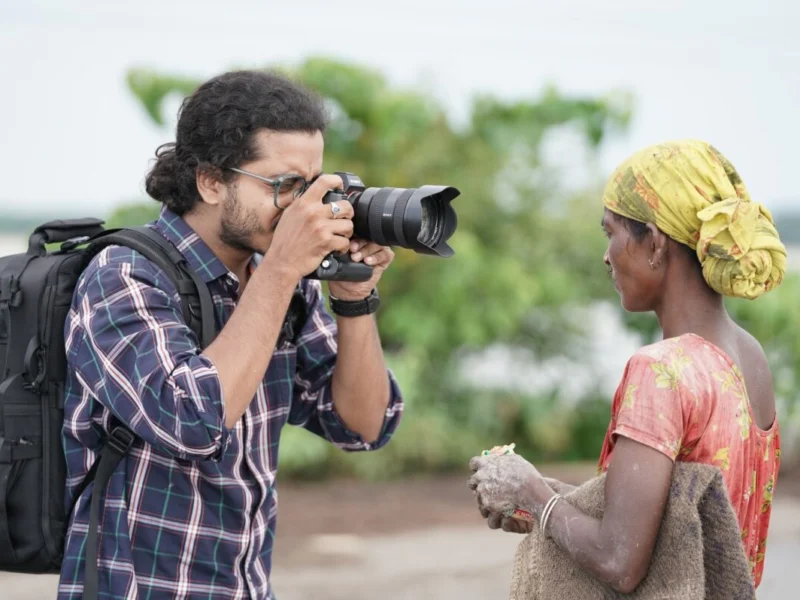
The primary hurdle in any documentary work is the inherent disruption caused by a lens. When you first enter a space, you are a spectator. Subjects are acutely aware of your presence, and their behavior naturally stiffens into a performance. Overcoming this barrier cannot be hacked with a longer focal length or a stealthier camera body. It requires the most expensive currency a photographer possesses: time.
Returning repeatedly signals a commitment that extends beyond a quick editorial turnaround. Trust is built in the spaces between pressing the shutter. As you become a familiar fixture within an environment, the performative masks drop. The unscripted, raw moments that define impactful photojournalism only reveal themselves to those who have earned the right to be ignored. You transition from an outsider stealing a frame to a participant documenting a shared reality.
Developing a Cohesive Visual Thread
Sustaining a narrative over several years presents a unique set of aesthetic challenges. Equipment will inevitably change. Lighting conditions will fluctuate. The photographer’s own perspective will mature. Maintaining a cohesive atmosphere across a sprawling archive requires deliberate artistic constraints.
For many documentarians, black and white becomes the unifying language of a long term endeavor. Stripping away color removes the immediate temporal markers that can disjoint a multi-year sequence. It forces the viewer to focus entirely on the structural integrity of the frame, the interplay of light and shadow, and the enduring human element. Monochrome acts as a visual anchor, ensuring that a photograph taken in year one sits seamlessly next to an image captured in year five. Color is utilized only when the specific narrative demands it, rather than as a default setting.
The Authority of the Printed Archive
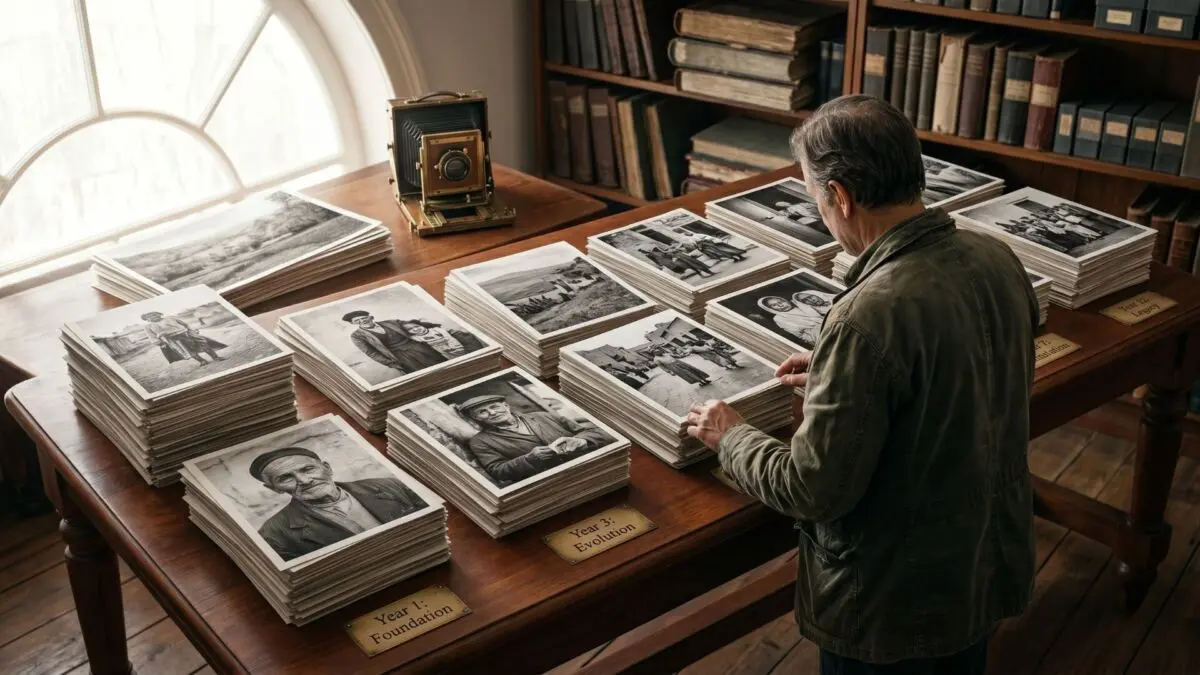
The culmination of a long term project rarely belongs in the ephemeral feed of a digital platform. When you have dedicated years to observing and distilling a complex reality, the final presentation must carry a corresponding physical weight. The transition from a digital archive to a tangible format is a crucial step in cementing a visual brand.
Curating these expansive narratives into physical prints and bound volumes commands a different level of respect from the audience. A carefully sequenced photo book or a gallery of archival prints invites the viewer to slow down and engage with the material at the pace it was created. It proves that the work has enduring value. Establishing a practice of selling these physical prints does more than generate revenue; it allows the photographer to place artifacts of deep, intentional observation out into a world that desperately needs them.