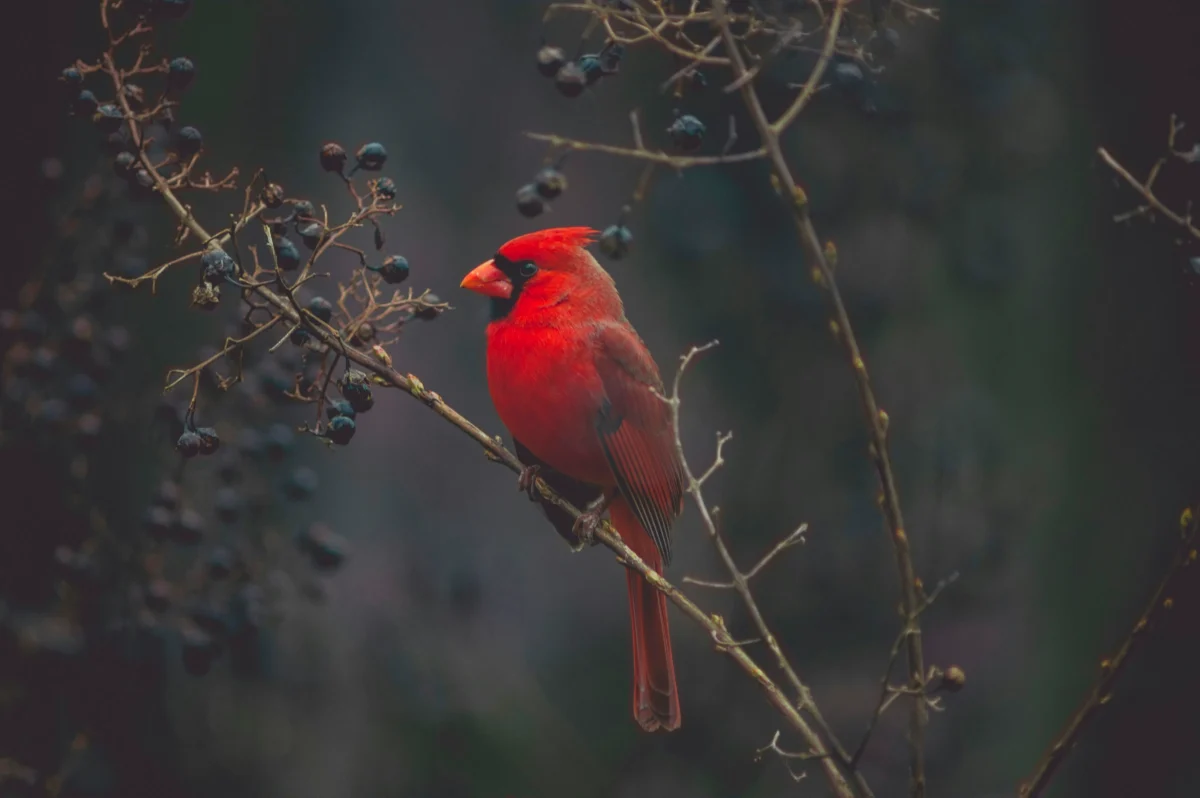
Bird photography is one of the most demanding forms of wildlife work. Birds move fast, change direction without warning, hide in bad light, and test every part of a camera system. I have spent years photographing everything from backyard cardinals to diving ospreys and marsh hawks at sunrise, and I can say this with confidence: the best camera for bird photography is not just the one with the biggest specs on paper. It is the one that helps you lock focus fast, track cleanly, shoot long bursts, and hold detail in feathers when the light gets rough.
If you are searching for the best cameras for birds photography, you are probably looking for a few very specific things. You want sharp images of birds in flight, reliable autofocus, strong battery life, useful burst speed, good high ISO performance, and a body that does not fight you when the action starts. That is exactly what this guide covers.
I am writing this from personal field experience, not from reading spec sheets alone. These are cameras I have used, tested, or worked alongside on real shoots, where weather, distance, and bird behavior matter more than marketing language.
In a rush and just need the quick answer? Here are my top-rated picks you can confidently choose from right now.
What Makes a Camera Great for Bird Photography
Before I get into the actual camera picks, here is what I look for as a working bird photographer.
Autofocus that stays locked
Bird photography lives or dies on autofocus. A great birding camera must detect the subject quickly and hold it, especially when the bird flies across a messy background like reeds, branches, or water reflections.
Fast burst shooting
When a heron strikes the water or an eagle spreads its wings for takeoff, one frame is rarely enough. A high continuous shooting speed gives you more chances to catch the perfect wing position and eye contact.
Strong crop flexibility
Even with long lenses, birds can feel far away. A camera with high resolution or a crop sensor advantage can be extremely helpful when you need extra reach.
Clean files at higher ISO
Bird photographers often shoot in early morning or late afternoon, which means pushing ISO. Cameras that keep feather detail and color at higher ISO settings give you more freedom in real conditions.
Good ergonomics
If you are standing in mud for two hours waiting on a kingfisher, camera comfort matters. A body that balances well with telephoto lenses and offers intuitive controls saves missed shots.
Affiliate Disclaimer: This guide is reader-supported. If you buy through the links on this page, I may earn a small commission at no extra cost to you.
Best Cameras for Birds Photography
1. Canon EOS R7

If someone asks me for the best camera for bird photography without spending full flagship money, the Canon EOS R7 is usually the first model I mention. I have used it in wetlands, woodland edges, and backyard bird setups, and it consistently performs like a serious wildlife tool.
The APS C sensor is a huge advantage for bird photographers. That crop factor gives your telephoto lenses extra reach, which is a real gift when small birds stay just a little too far away. Pair it with a quality telephoto lens and the setup feels made for birds.
What impressed me most in the field was the autofocus. Canon’s subject tracking works very well with birds, especially birds in flight. It recognizes the eye and head reliably in decent light and keeps up better than many cameras in this class. The burst rate is excellent too, which means you can follow action sequences without hesitation.
Image quality is strong, with enough resolution to crop when needed. The body itself feels light enough for long walks but still substantial in hand.
One morning I was photographing swallows over a lake, and they were cutting through the air so quickly I almost gave up. The R7 stayed with them far better than I expected, and I came home with sharp frames that would have been pure luck on older systems.
What other photographers say
A local birder I know switched from an older DSLR to the R7 and told me the jump in hit rate was immediate. He said he finally stopped blaming himself for missed focus on flight shots.
Another photographer in my wildlife group loves the reach advantage. She shoots warblers in forest edges and says the crop sensor helps her fill the frame without carrying the absolute biggest lens.
2. Nikon Z8

The Nikon Z8 is one of the most complete wildlife cameras I have ever used. For serious bird photographers who want flagship level performance in a body that is easier to carry than a full pro brick, this camera is outstanding.
The autofocus is fast, sticky, and smart. On birds in flight, it does a remarkable job keeping focus through rapid motion and cluttered backgrounds. I have used it for gulls, egrets, and hawks, and the tracking confidence is obvious the moment you start shooting.
The image quality is exceptional. You get high resolution, rich detail, and files that handle editing beautifully. For bird photographers, that matters because you often need to crop, lift shadows, or recover highlights in white feathers.
The blackout free shooting experience also helps. When a bird changes direction mid flight, being able to keep visual contact with the subject makes a real difference.
The Z8 feels like a camera built by people who understand action photography. Controls are responsive, the viewfinder is excellent, and the body balances well with serious telephoto glass.
A short field story
I was on a coastal shoot when a pelican dropped suddenly into the water right in front of me. I barely had time to react. With the Z8, the sequence stayed locked from the dive to the splash and the lift out. It felt less like fighting the camera and more like working with it.
For technical reference and full manufacturer details, Nikon’s official product page gives a solid breakdown of the system and shooting capabilities through the Nikon Z8 product overview.
3. Sony A1

The Sony A1 is the kind of camera that makes bird photography feel almost unfair in the best way. I have used it on fast coastal birds and erratic songbirds, and its speed and autofocus are among the best I have ever experienced.
What makes the A1 special is how complete it feels. You get top tier autofocus, very high burst speed, excellent subject tracking, strong dynamic range, and enough resolution to crop heavily when a bird does not come close enough. That combination is incredibly useful in wildlife work.
Bird eye detection on Sony’s better bodies is genuinely helpful. It is not magic in every situation, especially through heavy branches, but in open flight and cleaner backgrounds it can be phenomenal.
The files are sharp, flexible, and professional grade. If you publish, print, or crop aggressively, the A1 gives you room to work. It is especially good for photographers who shoot a mix of birds in flight and perched portraits.
The biggest thing I noticed using the A1 was confidence. You stop second guessing whether the camera can keep up and start focusing more on behavior, light, and composition.
What other photographers say
A sports shooter friend of mine borrowed the A1 for a weekend bird trip and came back stunned by how responsive it felt. His words were simple: it reacts instantly.
Another wildlife photographer I know loves it for terns and shorebirds because the camera keeps pace with chaotic motion better than most systems she had tried before.
For a broad technical evaluation, I often point people to the detailed testing at DPReview’s Sony A1 review.
4. OM System OM 1 Mark II
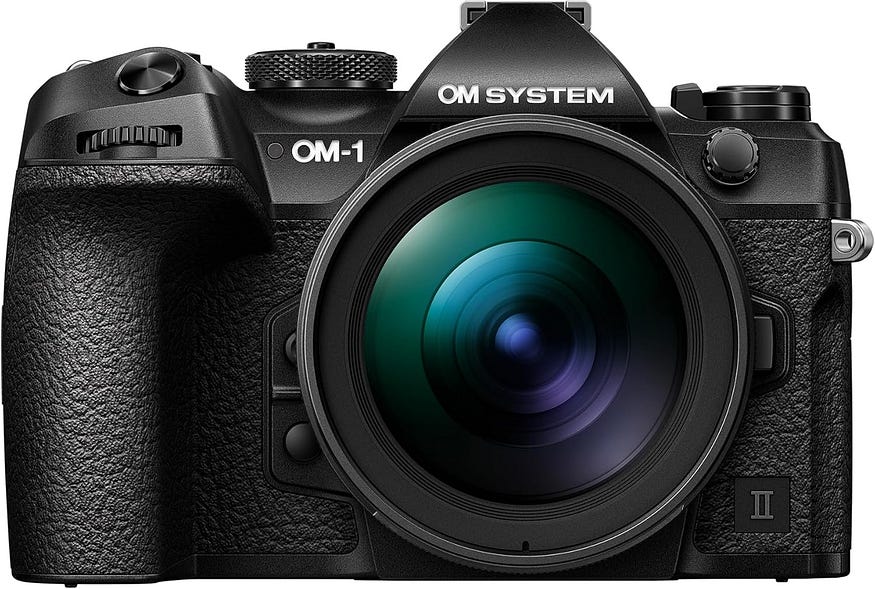
This is the camera that surprises a lot of people until they actually use it for wildlife. The OM System OM 1 Mark II is extremely capable for bird photography, especially if you value mobility, weather resistance, and effective reach.
I have taken this camera on long hikes where carrying a heavier full frame setup would have become a chore. That is where it shines. The Micro Four Thirds system means your telephoto lenses stay smaller and lighter, which can be a major advantage in the field.
The autofocus is very usable for birds, and the subject detection has improved a lot. The real strength here is the overall field practicality. You can carry an effective long range setup all day without feeling wrecked by sunset.
Image quality is very good, especially in decent light. While it does not match the absolute best full frame cameras at very high ISO, the tradeoff in portability can be worth it for many bird photographers.
I also trust this body in bad weather. For marshes, coastlines, and early morning dew, that kind of reliability matters.
A short real life moment
During a rainy woodland session, I watched another photographer put his camera away to protect it. I kept shooting with the OM system body and finished with a clean series of a woodpecker feeding on a soaked tree trunk. Sometimes the best camera is the one you can actually keep using.
You can explore the feature set through the OM System official camera page.
5. Canon EOS R5

The Canon EOS R5 remains one of the most balanced cameras for serious bird photographers. I have used it for both perched birds and birds in flight, and it still holds up beautifully in the current market.
What makes the R5 so appealing is balance. You get excellent autofocus, high resolution, fast burst shooting, and very strong image quality in one body. It is especially good for photographers who want a camera that can do birds, wildlife, landscapes, and even professional video without compromise.
The autofocus system tracks birds very well. Small birds moving through open areas are no problem, and larger birds in flight are handled with confidence. The files are rich with detail, and the resolution gives you meaningful room to crop.
In real use, the R5 feels refined. The menus, controls, grip, and viewfinder all work together in a way that feels polished. When I am on assignment and need reliability over a long day, that refinement counts.
Short story from the field
I once spent nearly an hour waiting for a great blue heron to launch from a marsh edge. The light was low and the bird took off without warning. The R5 caught the whole motion cleanly, and one frame from that burst ended up being the keeper from the week.
For extra performance data, sensor analysis from DXOMARK can be useful when comparing image quality behavior across systems.
How I Choose Between These Cameras
If you want the best camera for birds in flight and top shelf all around performance, the Sony A1 and Nikon Z8 are elite choices.
If you want the best bird photography camera for reach and value, the Canon EOS R7 is incredibly hard to beat.
If you want a lightweight wildlife camera for travel and long hikes, the OM 1 Mark II deserves serious attention.
If you want a high resolution all purpose camera that is still excellent for wildlife, the Canon EOS R5 remains one of the smartest buys in the category.
Final Thoughts
The best cameras for birds photography are the ones that help you get more keepers when conditions turn unpredictable. After years of working with wildlife gear, I can say this clearly: autofocus reliability, burst performance, and handling matter more in the field than flashy spec sheet claims.
If I were recommending from real experience, the Canon EOS R7 is the smart reach focused option, the Nikon Z8 is a professional powerhouse, the Sony A1 is a speed machine, the OM 1 Mark II is the practical mobile choice, and the Canon EOS R5 is one of the best balanced cameras ever made for wildlife.
Bird photography can be frustrating, but that is part of what makes it rewarding. When the camera disappears in your hands and the bird fills the frame at exactly the right moment, that is when you know you picked the right tool.
FAQ
What is the best camera for bird photography beginners?
The Canon EOS R7 is one of the best starting points for serious beginners because it offers excellent autofocus, strong burst shooting, and extra reach from the APS C sensor.
Is full frame better for bird photography?
Full frame is excellent for image quality and high ISO performance, but crop sensor cameras can be better for reach. It depends on your style, budget, and lens lineup.
What camera settings are best for birds in flight?
I usually recommend fast shutter speed, continuous autofocus, burst shooting, and bird subject detection if your camera offers it. Practice matters as much as settings.
Do I need high megapixels for bird photography?
High megapixels help with cropping, which is useful in bird photography, but autofocus and lens quality are often more important than resolution alone.
Which camera brand is best for bird photography?
Canon, Nikon, Sony, and OM System all make excellent bird photography cameras. The best brand is the one with the body and telephoto lenses that fit your needs in the field.