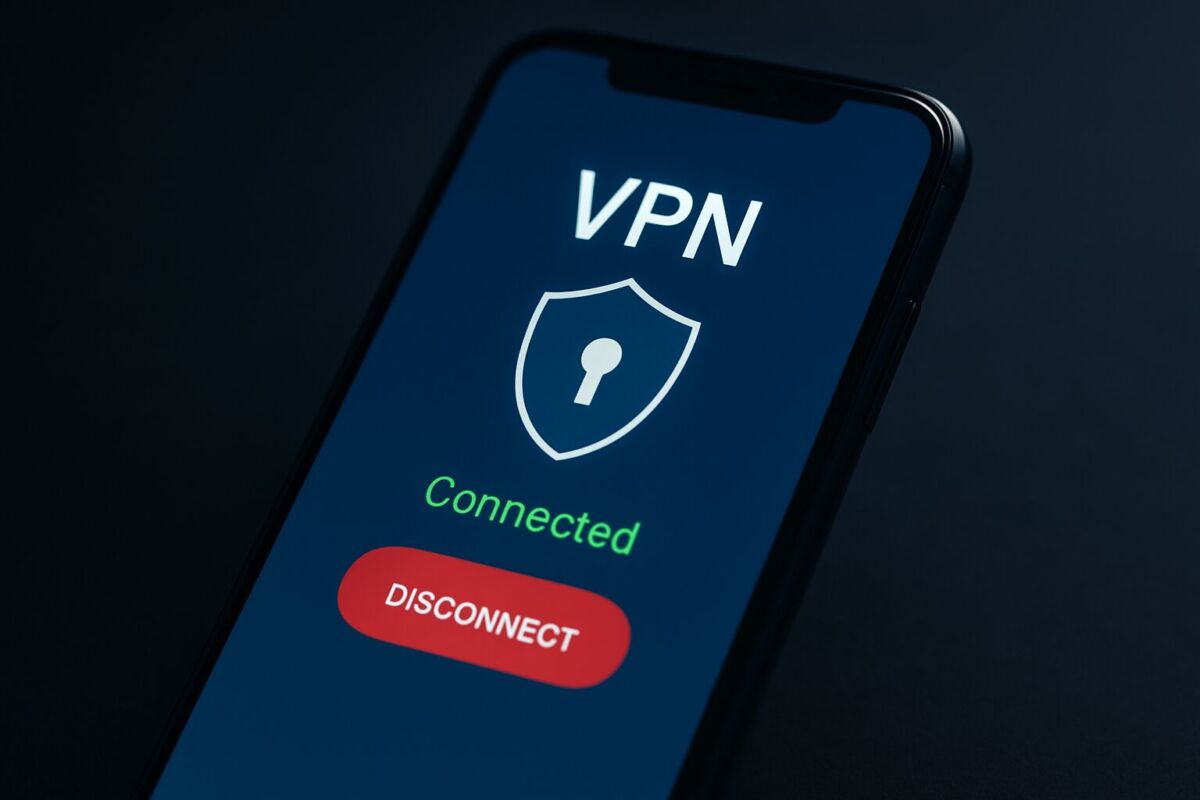
Most people download a free VPN because they believe it gives them safety. They want privacy when browsing the internet. They want to hide their location. They want to feel protected from websites and companies that follow them online. The problem begins with the idea that anything free will offer the same protection as a trusted and well built service. The free VPN danger is not only real. It is one of the most ignored digital risks today. The reason is simple. People do not question an app that claims to protect them.
Free VPN apps appear every day on app stores. They use colourful icons, simple names, and strong promises. They say they secure your phone. They say they protect your connections. They say they hide your data from everyone. What most users never ask is how a free product can maintain servers around the world, manage bandwidth, handle millions of connections and stay online every hour of the day. All of this costs money. A company that gives all of it away for free must earn money from somewhere. The truth behind many of these apps is uncomfortable. Most earn money by collecting the very data users want to hide.
People think privacy means hiding from websites. But the first person who sees your data is the VPN provider itself. When someone uses a free VPN, the provider gets complete access to browsing patterns, search habits, device information, sometimes even app activity inside the phone. This information becomes their product. Instead of protecting you, the free VPN danger grows because your data is now controlled by someone you do not know. Many of these providers operate from unknown locations, with no legal responsibility and no transparency. Some do not even have a real company website.
Security researchers have studied different free VPN apps and found disturbing results. Many of these apps contain built in tracking frameworks. Some secretly connect to external servers that have nothing to do with the VPN tunnel. Some record device identifiers that allow long term tracking. A few send encrypted packets to unknown servers in countries that users never selected. All of this happens quietly in the background. The user believes the VPN is creating safety, while the app creates its own silent network of surveillance.
There is also a growing issue with fake privacy terms. Many free VPNs display long documents that claim they do not collect logs. But the wording is designed to confuse the user. They may not store your browsing history, but they record your connection time, your device type, your network location, and your behaviour patterns. This information can still be sold to third party buyers. These buyers include advertising companies, data brokers, analytics groups and sometimes unknown clients who purchase data in bulk without revealing their identity. Once your information enters this market, you cannot get it back. This is one of the strongest reasons the free VPN danger should not be ignored.
Another issue is the lack of security within the VPN itself. Many free VPNs do not use strong encryption. Some use outdated protocols that have known weaknesses. A few do not encrypt anything at all. They create the illusion of protection while keeping every user exposed. This becomes a serious problem when people use public WiFi, airports, hotels or cafes. They think the VPN shield protects them from attackers. But the poor encryption makes it easy for someone skilled to intercept the connection. A free VPN can make a person less safe than before they used it.
People also forget that a VPN controls the path your data takes. When you open a social media app or log in to your bank, the traffic passes through the VPN server first. If the provider is dishonest or careless, your information can be copied in transit. Even if you use secure websites, the metadata around your activity can be extremely valuable. This metadata reveals when you are online, how long you stay on apps, the type of content you view and the pattern of your behaviour. Companies pay large amounts of money for this type of data. A free VPN does not need your subscription when your behaviour is the real product.
There is a psychological reason this continues. Free apps reduce resistance. People like the feeling of getting privacy without paying money. The idea of taking control of your digital life feels powerful. But this feeling hides the missing piece. Real security needs real investment. The free VPN danger exists because it exploits the user’s hope for protection without cost. It turns trust into a business model and hides the trade behind friendly design.
Phone manufacturers and security experts warn people every year, but the warning gets drowned by the huge number of new free VPN apps that appear in app stores. Many of these apps are supported by aggressive advertising. They show countdown timers, security threat messages and bright visuals that create fear. This fear pushes users to install the app without thinking. Once the app is installed, it often asks for permissions that have nothing to do with VPN functions. Some ask for access to photos, contacts, notifications or system settings. These permissions allow deeper tracking and create more opportunities for data extraction.
Some free VPNs are also known to inject ads into your browsing sessions. These ads are not coming from websites. They come from the VPN server itself. When a VPN manipulates the content you see, it is no longer a security tool. It becomes an advertising engine that uses your connection to deliver targeted promotions. This is not only annoying. It is dangerous. It means the provider has the ability to modify your traffic. If they can inject ads, they can modify information. They can redirect you to fake sites. They can create opportunities for phishing. They can capture login attempts. The free VPN danger extends far beyond data selling. It becomes a gateway for more complex attacks.
Another hidden issue comes from the fact that many free VPN services rely on shared servers that host thousands of users. These servers attract attackers because they know the traffic on them is valuable. If a server gets compromised, every user connected to that server becomes vulnerable at the same time. This is one of the risks that almost nobody talks about. Paid VPNs invest money in secure infrastructure. Free VPNs often rent cheap servers from unknown sources. This makes them an easy target for cybercriminals.
People often ask whether all free VPNs are unsafe. The reality is more simple. A VPN service that is free needs money to survive. If they do not charge you, they must earn from your data. Even if a free VPN is not actively harmful, it still cannot provide the strong and transparent protection that a trusted service can offer. Privacy is not something that can be built without resources. This is why every security expert encourages users to avoid free VPN services when possible. The free VPN danger is not based on rare incidents. It is built into the business model.
There are some better paths for people who want privacy without risk. The most important habit is to avoid unknown VPN apps from random developers. Instead, choose providers that have clear policies, open transparency reports, and real company information. Some paid services offer affordable monthly plans and strong protection. For people who cannot subscribe, using built in security features like private DNS, encrypted browsers or secure wifi settings may give safer results than installing a free VPN that puts the phone at risk.
The core of the issue is simple. Online privacy is not a product that can be given away for nothing. It requires trust, resources and responsibility. The free VPN danger will continue as long as people choose protection from services that have no responsibility to protect them. When someone installs a free VPN, they often believe they have taken control of their digital life. But in reality, they hand over control to someone else. This is the part that must change. People must understand that privacy cannot come from a system built on hidden costs. Real security demands a choice that respects the value of personal data.
The world keeps moving to mobile life. People shop, work, communicate and store memories on their phones. The risks have grown quietly with this shift. The simplest way to stay safer is to avoid the tools that pretend to help but silently take more than they give. The free VPN danger is not a story of rare misuse. It is a daily reality that affects millions of users who believe they are protected while their information moves into unknown hands.
FAQ
Why are free VPNs considered dangerous
Because many of them earn money by collecting and selling user data instead of protecting privacy.
Do free VPNs really track what users do
Many record connection data, device information and behaviour patterns even when they claim not to store logs.
Can a free VPN steal passwords
If the service is dishonest or compromised, it can monitor or redirect traffic, creating risks for sensitive information.
Is it better to use no VPN at all instead of a free one
In many cases yes. An unsafe VPN can make your phone more vulnerable than using a normal connection.
How can someone stay safe without paying a lot
Choose trusted services, use built in security features, and avoid unknown apps that promise too much for free.