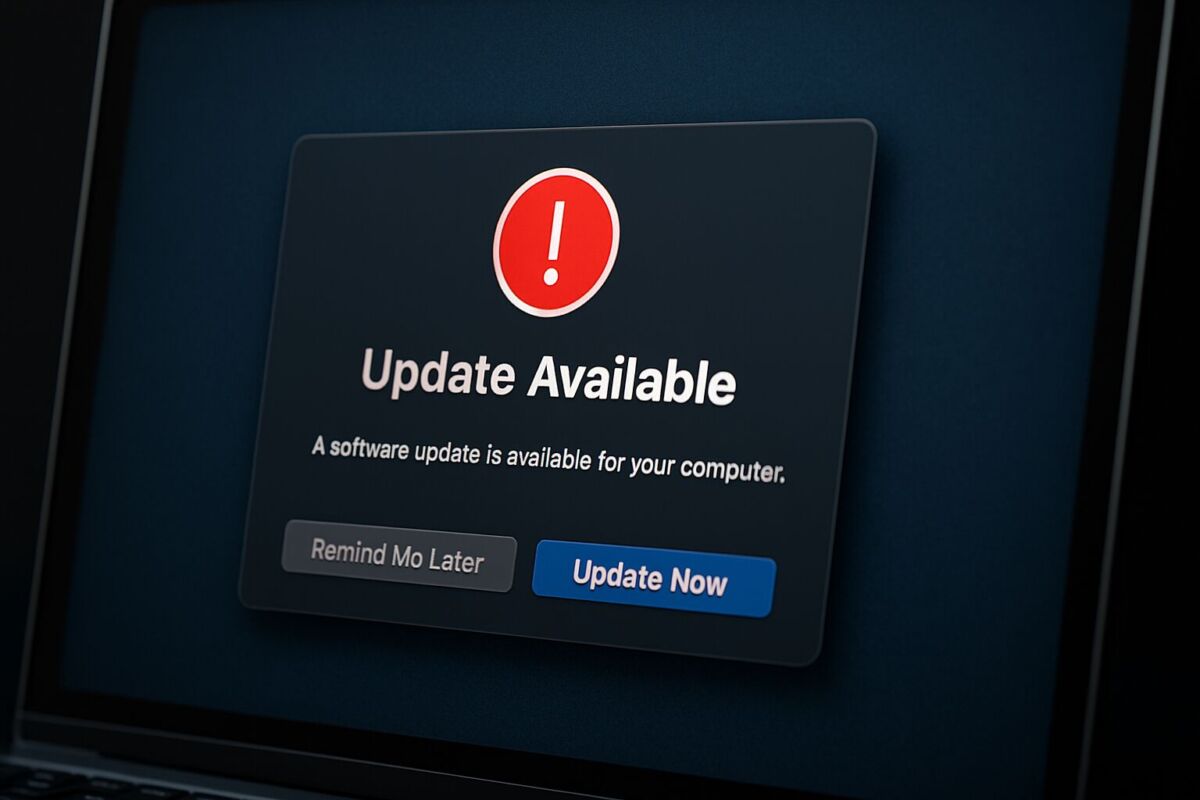
The phrase outdated software threat sounds like something from an old instruction manual that nobody reads anymore. People think the danger comes only from new forms of malware, new cyberattacks, and new tools that spread fast through social networks. The truth is the opposite. The danger that keeps returning and hurting people year after year is not the latest virus or sophisticated attack. It is the quiet and familiar habit of leaving apps and systems outdated for weeks, months, and sometimes years. This outdated software threat is so common that most people forget it exists, yet it is the starting point of many attacks that later become headline stories.
The idea seems too simple to be dangerous. A phone notification about an update or a computer reminder that something needs to be patched does not feel like a serious problem. People skip it because they are busy, or because the update looks unnecessary, or because the device still works fine. What gets forgotten is that every old version of software has holes that attackers know how to use. When companies fix these holes, the patch needs to reach users quickly. If it does not, the attacker always has more time than the user. That time becomes the doorway for cybercrime.
Every year researchers study how attacks begin, and they continue to find the same pattern. A large number of cyber incidents come from known vulnerabilities. These vulnerabilities have existed for months or even years. They are not mysterious and they are not hidden. They were already discovered and fixed, but users did not update their devices. This is how outdated apps allow attackers to enter systems through public WiFi, fake websites, infected files, and even normal looking email links. The outdated software threat continues because people underestimate what a few ignored patches can cause.
Most people imagine attackers using advanced tools, but many criminals do not need anything advanced. They only need victims who have not updated their devices. Entire hacking tools are built around scanning the internet for old software versions. These tools check millions of devices every day. When they find a phone or computer running outdated software, the attack becomes easier than people think. A single vulnerability can expose passwords, photos, financial information, and work files. Even trusted apps can turn into an entry point if they are not updated.
Large organizations deal with the same issue. Businesses often use older systems because their teams do not want to interrupt work for updates. Offices sometimes run old versions of operating systems because updating them feels risky or time consuming. This delay becomes a gift for attackers. When one employee works on an outdated system, the entire company becomes vulnerable. Cybersecurity teams continue to warn that outdated software remains one of the main causes behind large data breaches. The problem is not lack of awareness. It is the belief that nothing will happen today, or this week, or this month. But attackers do not wait. They scan constantly and strike when they find a weak point.
Another issue is the common belief that phones are safe by default. Many people assume their phones protect them automatically. They believe only computers need to be updated. This is not true anymore. Phones carry personal photos, messages, banking apps, and health information. Phones are also used for two factor authentication. When a phone runs outdated software, it becomes a direct path to everything connected to the user. Attackers know this. That is why mobile malware and mobile spyware continue to rise in different countries. The outdated software threat is not limited to desktops. It follows people everywhere because their entire lives move through mobile devices.
A similar problem grows quietly inside smart home devices. These devices often run old firmware and rarely receive proper updates. People forget about their routers, cameras, or small connected accessories. Many of them are never patched. Attackers use these devices to build botnets, spy on home networks, or redirect users to malicious pages. When a router remains outdated, it exposes every phone and laptop connected to it. Updating the router is one of the simplest ways to reduce risk, yet it is the most ignored step in home cybersecurity.
The challenge is not only technical. It is also psychological. People get overwhelmed by notifications, updates, and warnings. They get tired of the constant reminders. They click “later” because later feels harmless. Over time those small delays become the reason an attacker gains access. What feels like a tiny inconvenience today becomes a significant loss tomorrow. This makes outdated apps a silent danger. They stay hidden behind normal daily habits until the damage is already done.
This problem can be reduced with simple, consistent action. People need to treat updates the same way they treat locking the door before leaving home. It is a basic step, not an optional one. Updates exist to close security holes that attackers already know about. When updates are ignored, those holes stay open. The outdated software threat is not a theory. It is something attackers use actively every day. The safest habit is to install updates immediately when they appear. This habit alone can stop many attacks before they even begin.
For people who want to manage this properly, it helps to turn on automatic updates wherever possible. It also helps to uninstall apps that are no longer used. Old apps that sit idle often become the weakest link. People should also update their routers and smart home devices regularly. Most routers have an update page inside their settings menu. A quick check once a month protects the entire home network.
Businesses and creators should follow the same approach. If a laptop or workstation is used for work, it should never run outdated systems. If a photographer, editor, or journalist stores important files on their device, updates are part of protecting that work. Cybersecurity is no longer only about avoiding suspicious links. It is also about keeping devices healthy. The outdated software threat grows whenever updates are delayed. It shrinks every time a system is patched.
People sometimes think the threat is too big, and they feel powerless. But this is one area where the user has real control. Updating a device is the one action that can stop many attacks long before they reach the user. It is a simple step that strengthens the entire digital life. It takes little time, and it prevents a long list of problems that come from outdated apps and software.
The world keeps changing, new technologies appear, and new threats arrive every year. Yet the most damaging attacks often come from familiar mistakes. Outdated systems remain the foundation of many breaches. The best way forward is to build a habit that protects everything at once. When people update their devices, they close doors that attackers rely on. The outdated software threat continues only when people hesitate. It disappears when people act on time.
FAQ
Why is outdated software still dangerous today
Because attackers already know the weaknesses in old versions. These weaknesses remain open until the user installs the update.
Is updating apps really enough to stay safe
It does not solve every threat, but it blocks the common entry points that attackers use most often.
Do phones face the same outdated software threat as computers
Yes. Phones store sensitive information and are attacked frequently when updates are ignored.
Are routers and smart devices part of the same risk
Yes. Outdated routers and smart devices can expose the entire home network.
How often should someone check for software updates
Every time a notification appears. For routers and smart devices, checking once a month is enough.