A photographer always knows when a camera has reached the end of its chapter with them. Not because it suddenly becomes useless, and not because it stops performing, but because something inside the photographer shifts first. Vision changes long before hardware does. One morning, after years of creating with the same familiar tool, you begin to feel a subtle distance between what you want to capture and what your camera can comfortably deliver. You still love it, of course—love isn’t what fades—but you recognize that your work is calling you somewhere new. And that calling is the beginning of a complicated goodbye.
Upgrading gear isn’t the dramatic leap that spec sheets and press releases often make it sound like. It is, more often, a quiet negotiation with yourself. You stand at the edge of a new possibility while holding an object that has walked with you through seasons of triumph, failure, experimentation, and growth. Every scuff on the bottom plate, every softened rubber grip, every moment when it resisted the rain or dust or exhaustion, becomes a memory suspended inside metal and glass. Saying goodbye is not merely a transaction. It is an emotional release.
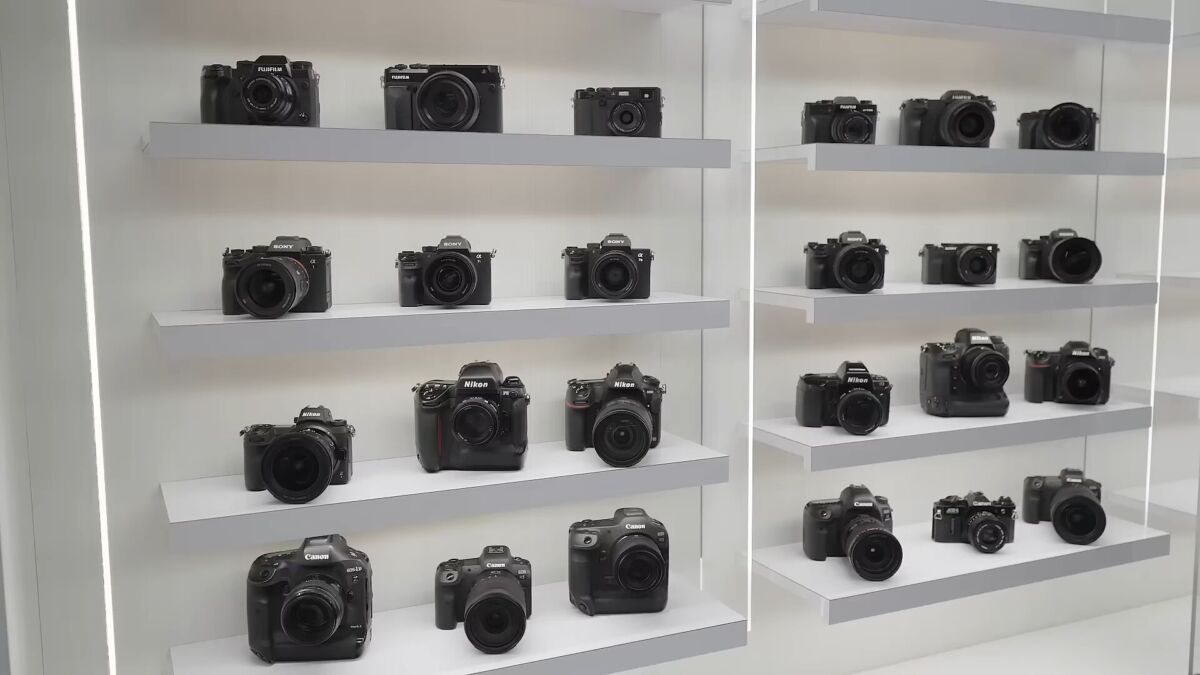
This is the part the industry rarely speaks about. But KEH seems to understand it—perhaps more than most companies ever have. Their new Better Trade program is not simply a restructured upgrade system. It feels like a reframing of how photographers part with their tools, how those tools move into new hands, and how the lifecycle of creativity continues long after the original owner has moved forward.
The announcement arrived with the usual details—fair quotes, a 5% bonus toward certified gear, consistent grading, smoother exchanges—but beneath all those practicalities lies something richer. Better Trade treats gear like the carriers of stories that they are. It recognizes the emotional weight behind parting with a camera and offers a softer, more dignified way of transitioning from one creative chapter to the next.
What makes this concept resonate so deeply is that every photographer, no matter how experienced, has lived the internal tug-of-war between nostalgia and necessity. When you hold a camera that has shaped years of your life, you begin to understand that photographs are not the only things that accumulate over time. Cameras themselves gather presence. They remember. They witness. They age alongside the artist. And when you reach the moment where you must upgrade, it can feel as though you’re leaving behind a version of yourself.
But KEH proposes something different: that sending away an old camera doesn’t need to feel like an ending. It can feel like passing on a legacy.
Imagine the quiet ritual of preparing to trade in your camera. The way you clean the lens one last time. The way you check the shutter count out of habit. The way your fingers rest on the same worn edges they have touched thousands of times before. This is not the cold detachment of selling a phone or a laptop. This is the farewell of someone who has shared a journey with you. And KEH, instead of turning that moment into a rushed, impersonal process, allows it to be slow, gentle, and respectful.
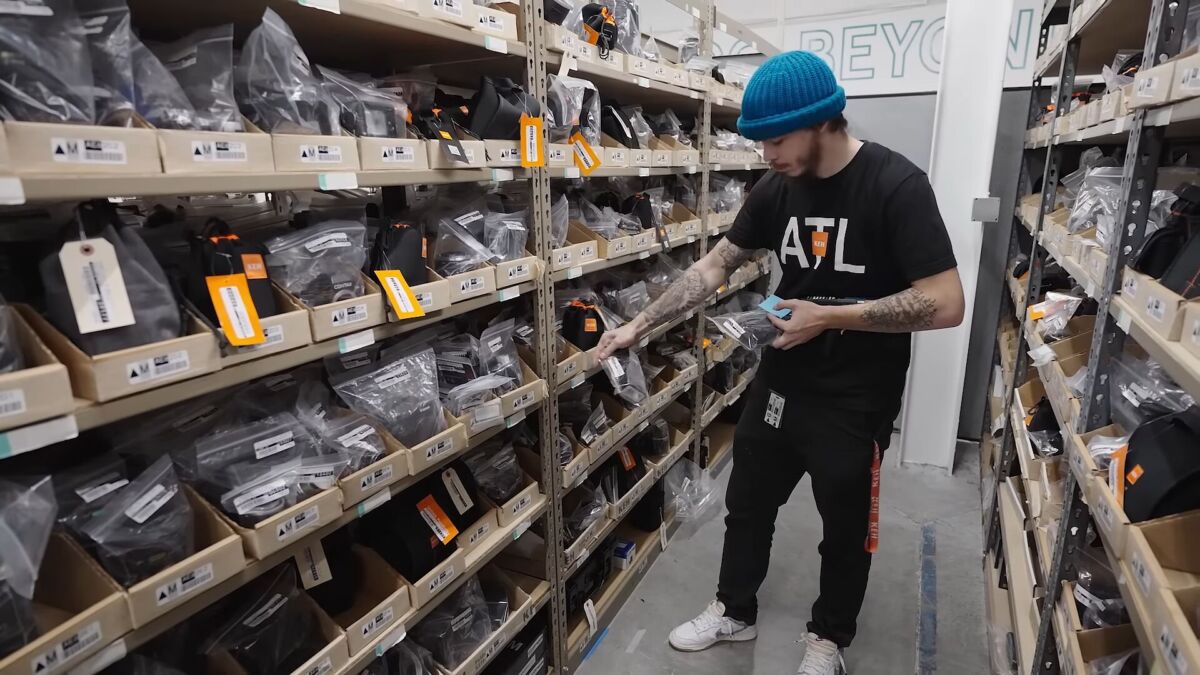
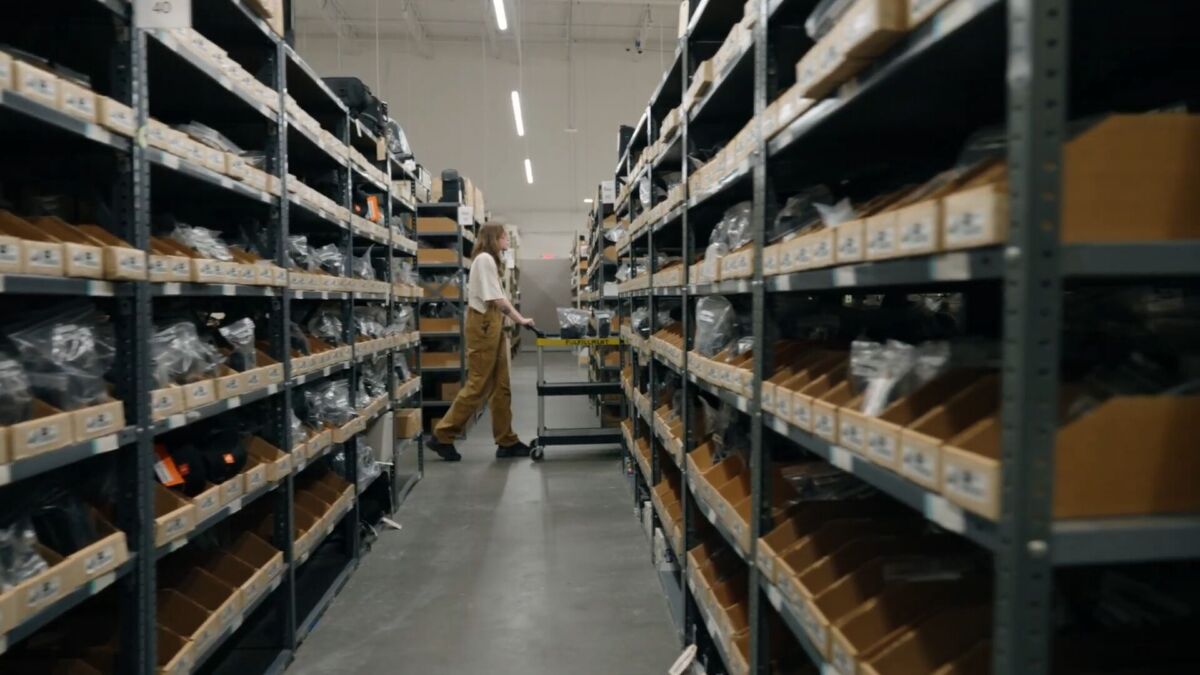
Once the camera leaves your hands and enters the Better Trade pathway, something almost ceremonial happens. It is evaluated, cared for, reconditioned if needed, and placed back into a world where another photographer—someone eager, someone curious, someone hopeful—will feel the thrill of holding it for the first time. They will not know your name. They will not know the stories your camera has already seen. But they will inherit the invisible warmth of a tool that has already loved the light.
In that sense, Better Trade is not only a gear initiative. It is a cultural gesture. It imagines a future where tools are not abandoned but renewed. Where creativity flows from one pair of hands to another through the objects that survive our artistic evolutions. Where cameras are not disposable, but cyclical—forever moving, forever serving, forever seeing.
This is especially meaningful in a time when the pace of camera releases feels relentless. Each year brings faster processors, sharper lenses, deeper buffers, brighter screens. The world tells photographers that they must keep up, keep spending, keep upgrading or risk being left behind. Yet that message only tells half the truth. The other half is quieter, more human: you do not leave your old camera behind—you let it move forward without you, into a new story.
And that new story matters. Somewhere, a young photographer who couldn’t afford a brand-new body will be able to buy a certified pre-owned one at a fair price. A traveler preparing for their first solo journey will find a camera that has already survived monsoons, streets, mountains, and memories. A student falling in love with photography will pick up a lens that once sat in someone else’s backpack as they waited for a decisive moment.
A traded-in camera becomes a witness with a second chance.
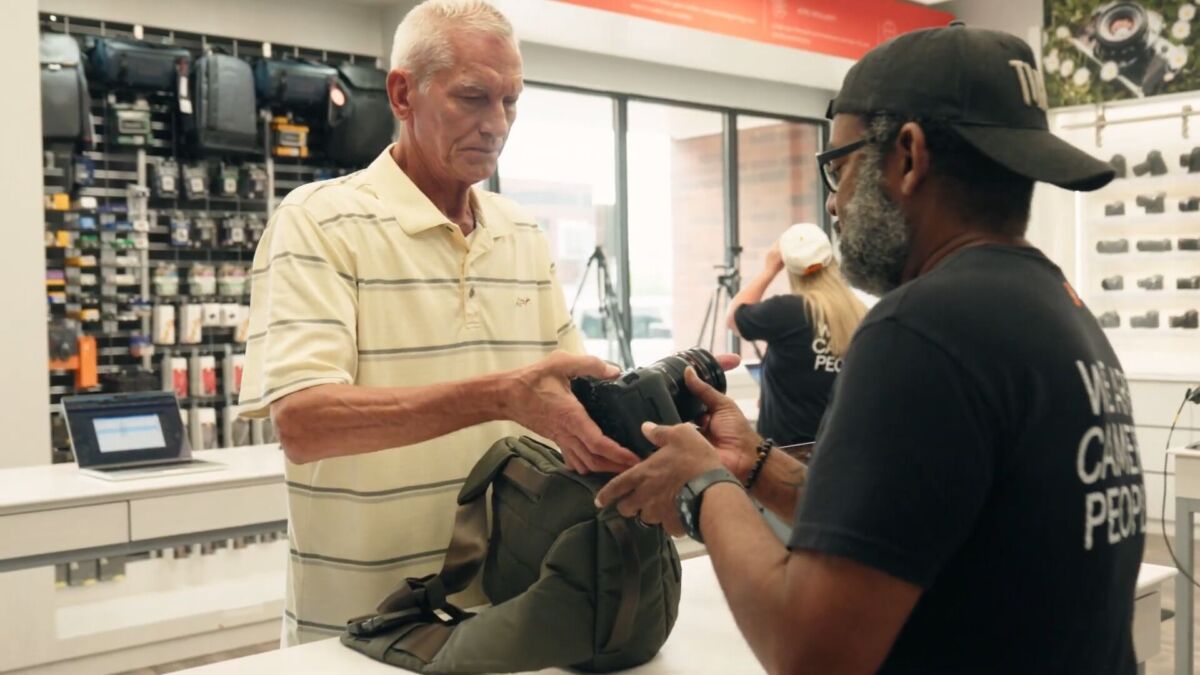
The philosophy behind Better Trade reminds the industry—and all of us—that photography is not just about capturing images. It is about carrying tools that evolve with us, then letting those tools go so they can serve someone else’s vision. It is the closest thing photography has to reincarnation.
In a world saturated with newness, sustainability becomes a kind of tenderness. Buying used gear is not the act of someone who cannot afford better—it is the act of someone who understands that beauty does not disappear because something has been touched before. A camera with history often has more soul than one freshly unboxed. You can feel it in the shutter, in the weight, in the way it responds like something already broken in, already warmed, already dreaming.
What KEH has crafted is a bridge between the emotional truth of being a photographer and the practical reality of needing new tools. It offers creators a way to upgrade without abandoning the past, and beginners a way to start without being priced out of the craft. It honors every stage of a camera’s life—its birth in manufacturing, its years with its first owner, and its rediscovery by its second.
And in a deeper sense, it honors the idea that art itself moves in circles. What you no longer need might be exactly what someone else has been searching for. What has outgrown your vision may become the catalyst for another artist’s breakthrough. Creativity is generous like that. It flows outward, never inward. It cannot be hoarded. It must be shared.
Perhaps the most touching part of this entire movement is the realization that the trade-in box you seal today will open on another photographer’s table weeks later. You won’t be there to see their eyes widen or their fingers trace the body of the camera with the same curiosity you once had. You won’t witness the first photograph they make with it. But you will be part of that moment. And the camera will carry a small, silent echo of your story into someone else’s world.
That is what makes this initiative more than a business update. It is a reminder that cameras, like stories, never truly end—they just change storytellers.
Better Trade is a simple program on paper, yet its impact is deeply poetic. It teaches photographers to let go with grace, to upgrade with intention, to value sustainability as part of their creative identity, and to understand that the tools we love deserve more than a drawer or a dusty shelf. They deserve new hands, new horizons, new light.
And maybe, as you prepare to send off your old camera, you’ll feel not sadness, but gratitude. Gratitude for what it gave you, and gratitude for what it will give someone else. In that exchange, something inside you will feel lighter—not because you bought something new, but because you honored something old.
That is the quiet revolution KEH has begun. Not a shift in gear culture, but a soft rewriting of how we say goodbye—and how we allow our tools to keep telling stories long after we’ve moved on.