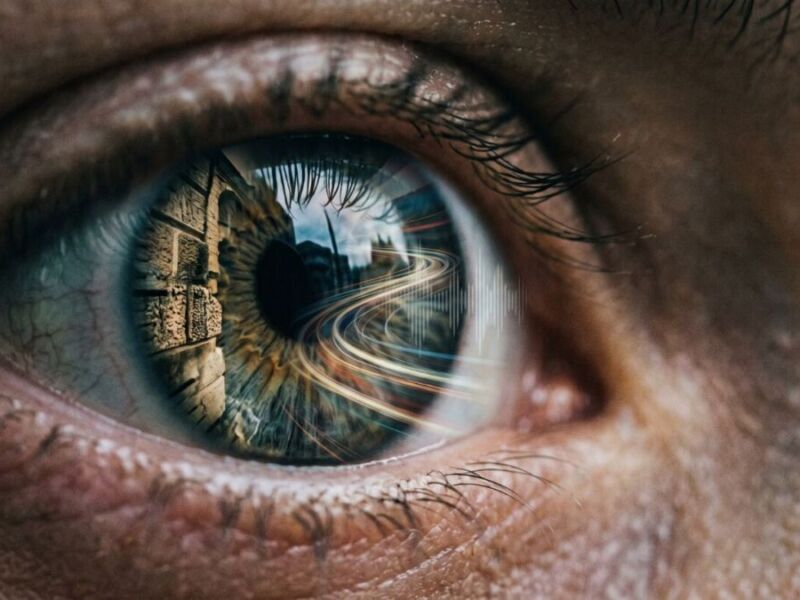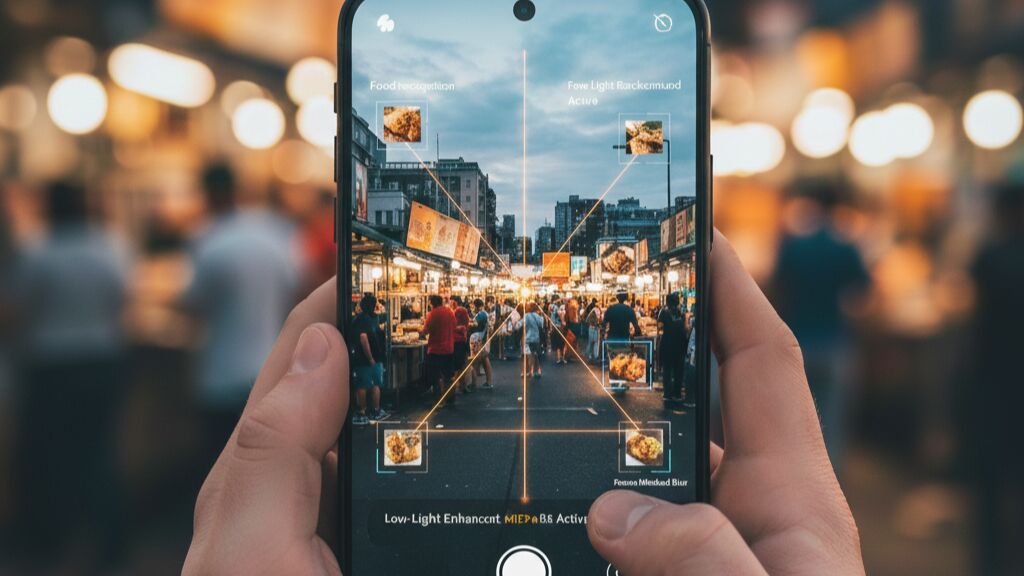
Smartphone photography has always moved fast, but something different is happening now. The changes are no longer coming from bigger sensors or additional lenses. They are coming from the deep layers of software that sit inside every modern phone. AI assisted cameras are no longer a marketing phrase. They are the true engines behind almost every image people take today. The moment someone taps the shutter, the camera does not simply capture light. It studies the scene. It interprets objects. It analyses faces. It builds layers of exposure. It applies texture. It shapes colours. It removes noise. It decides the final look before the user even sees the preview. This is the new world of neural image processing.
Most people do not realise how much the camera is thinking for them. They believe the photo they see is a direct result of the lens and sensor. But the sensor only captures raw data. The phone turns that data into a complete picture using a chain of neural networks trained on millions of images. These systems understand patterns the way a photographer understands light. They recognise a sunset and boost the warmth. They see a face and smooth the skin. They detect a building and sharpen the lines. They recognise a night scene and brighten shadows without telling the user. The camera looks simple on the outside, but inside it is doing work that used to take many steps in professional editing software.
The rise of AI assisted cameras began slowly. Early computational photography tools used basic HDR bracketing and low light stacking. The results felt impressive for the time, but they still carried an artificial look. Colours looked washed. Details looked flat. Edges looked overly crisp. Today the algorithms are far more complex. They do not simply blend exposures. They build a model of the scene. They understand depth. They predict where shadows should fall. They estimate how light behaves on skin. This prediction allows them to create a version of the scene that feels more polished than what the sensor actually captured.
This does not mean smartphone photos are dishonest. It means they are shaped. They are reconstructed. They are curated by automated intelligence. A single tap is no longer a simple capture. It is a collaboration between the user and a machine trained to deliver a pleasing result in any condition.
Neural image processing plays the biggest role in difficult environments. In low light the sensor struggles to collect enough clean data. AI steps in and cleans the image using noise removal trained on real examples. It fills texture where the sensor could not find detail. It smooths colour transitions and prevents harsh grains. At first glance the image looks clear. But if you compare it to a real camera shot in the same light, the difference becomes clear. The smartphone photo carries a softness that feels algorithmic. It carries a clarity that did not exist naturally. It carries a style shaped by software, not by light itself.
This is not a flaw. It is a design choice. Smartphone companies know users want bright and clean low light photos. They know people want crisp textures even in dark rooms. They know the average viewer compares images on small screens. AI creates the look that matches those expectations.
The behaviour becomes even more visible when photographing people. AI systems identify faces and apply tone adjustments to maintain pleasant colours. They reduce harsh shadows while still preserving some structure. They recognise eyes and brighten them gently. They recognise smiles and smooth the mouth area. These adjustments happen instantly. The user never sees the raw frame. They only see the processed version.
This raises a quiet question. Are smartphone cameras capturing the person as they are, or as the AI thinks they should look. The difference is small, but it matters for those who care about authenticity. Neural image processing makes everyone appear more polished. It removes flaws. It removes texture. It sometimes adds clarity that was never there. The result feels pleasing but less true.
This shift also affects the understanding of photography for new creators. Many young photographers start with phones. They develop an eye through AI crafted images. They grow used to contrast that always looks balanced. They expect colours to look vibrant without effort. They rely on phones to correct mistakes. When they pick up a real camera, the results feel dull at first. The dynamic range feels different. The colours look more subtle. The shadows feel deeper. They think the real camera is weak, not realising that the phone has been shaping their idea of a good photo.
This misunderstanding creates confusion. A real camera captures truth and expects the photographer to shape it later. A phone shapes the truth before the user even sees it. The difference shapes the creative process itself.
AI assisted cameras also influence how scenes are interpreted. Some phones brighten skies to make them more dramatic. Some adjust water texture to make reflections cleaner. Some exaggerate sharpness on buildings. Some reduce noise so aggressively that the surface of objects looks smooth and plastic like. These decisions happen in milliseconds and vary between brands.
Neural image processing also introduces small inconsistencies. Because the phone makes decisions on the scene level, some areas receive more processing than others. A face may look polished while the background looks noisy. A sky may look clean while a tree becomes overly sharpened. These shifts create a look unique to smartphones. People might not notice it consciously, but the image feels different from one shot with a real camera.
Another quiet issue is cultural influence. AI models are trained on massive datasets that reflect the preferences of the developers and the target market. If a region prefers warmer tones, the AI adjusts images accordingly. If another region prefers cooler tones, the AI adapts. This changes how people see colour. It changes what they believe a natural scene should look like. It shapes taste without them knowing.
Neural image processing also affects memory. When people look back at their photos, they may not be seeing the moment as it actually was. They are seeing the AI interpretation of that moment. The sunset may look more dramatic than they remember. The city lights may look brighter. The room may look cleaner. The face may look smoother. The memory becomes shaped by the software.
These shifts are not negative. They show how powerful smartphone photography has become. For everyday users, AI makes images stronger, richer and more shareable. It helps people capture moments they would have missed. It saves bad shots. It improves low light. It fixes exposure instantly. It gives confidence to anyone who wants to take photos without learning complicated techniques.
But for photographers and creators, understanding this evolution matters. AI assisted cameras are changing the base of what people think photography is. The camera is no longer just a tool. It is a partner. It makes creative decisions automatically. It chooses the style. It chooses the colours. It chooses the balance. It chooses the shape of the light. The final image is less about what the photographer saw and more about what the AI believes the photographer wanted to see.
The future will push this even further. AI will not just enhance images. It will predict them. It will understand the photographer’s habits and match the style across different shots. It will fix composition. It will adjust the scene based on personal preference. It will unify colour grades. Cameras may soon create personalised looks for each user, shaped by their past editing habits.
This future is not far away. Some phones already analyse your gallery to understand your colour preferences. Some adjust new photos to match your history. This creates a personal aesthetic crafted by the machine.
The question becomes simple. How much of photography should be shaped by AI, and how much should remain untouched. There is no right answer. It depends on the creator. It depends on the moment. It depends on the purpose.
For everyday memories, AI makes photography easier. For artistic work, the photographer may want control. For documentary work, authenticity matters more. For creative exploration, the balance becomes part of the craft.
AI assisted cameras are not replacing photography. They are reshaping it. They are expanding the possibilities. They are giving everyday people access to tools that once required expensive gear. They are creating a new generation of creators who think differently about light and colour. They are building a future where the camera becomes a creative collaborator rather than a passive recorder.
The important thing is awareness. When people understand what AI is doing, they become better creators. They learn to see beyond the processed image. They learn to appreciate real light. They learn to understand texture. They learn to recognise the difference between enhancement and replacement. They learn to decide when to trust the camera and when to take control of it.
Photography will always change, but the core remains the same. It is about seeing. It is about feeling. It is about capturing something that matters. AI can shape the image, but the story still belongs to the person behind the camera.
FAQ
Why are AI assisted cameras becoming so common
Because smartphones rely on neural image processing to overcome the limitations of small sensors and create visually strong images.
Are smartphone photos still real when AI changes them
They are real in the sense that they come from the scene, but they are heavily shaped by software.
Why do phone photos look better than real camera photos sometimes
Because phones process the image instantly and apply enhancements that a real camera leaves for editing.
Does AI change how photographers learn
Yes. It gives beginners polished results but can also confuse their understanding of real light and detail.
Will AI replace the need for large camera sensors
No. AI enhances images, but sensors still matter for texture, dynamic range and authenticity.