Somewhere in the western Atlantic Ocean lies a region that has fascinated sailors, pilots, and writers for generations. It is often referred to as the Bermuda Triangle, an area loosely defined by three points on the map: Miami in Florida, the island of Bermuda, and San Juan in Puerto Rico.
For most people the name immediately brings to mind stories of ships disappearing without distress calls and aircraft vanishing from radar screens. These accounts began appearing in newspapers and magazines during the middle of the twentieth century, turning the Bermuda Triangle into one of the most widely discussed mysteries of the sea.
Yet the ocean in this region had been heavily traveled for centuries before the mystery gained public attention. Major shipping routes between North America, the Caribbean, and Europe pass directly through the area. Thousands of vessels cross these waters every year.
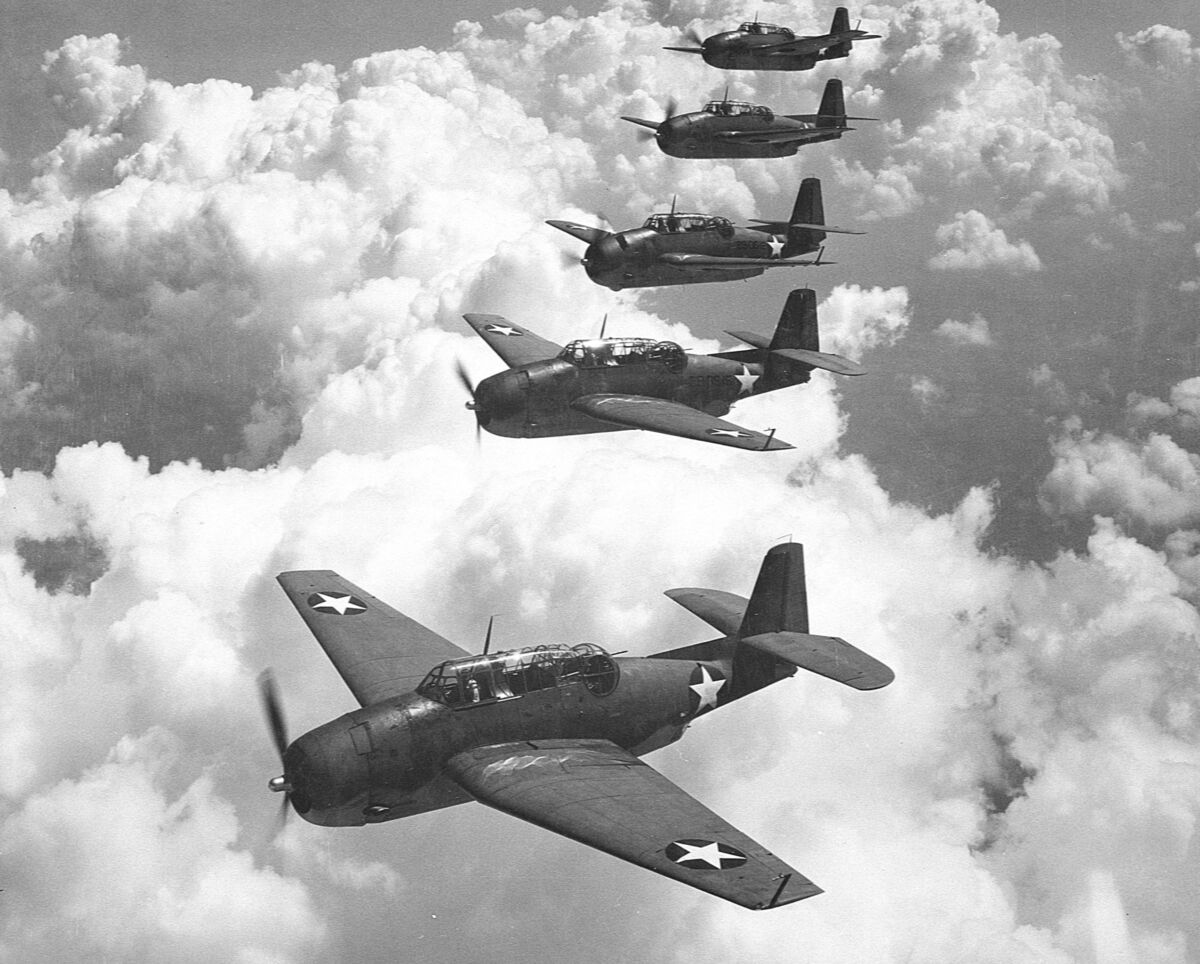
The story that helped popularize the Bermuda Triangle began in December 1945 with the disappearance of five U.S. Navy training aircraft known as Flight 19. The planes had departed from Fort Lauderdale, Florida, on a routine navigation exercise over the Atlantic.
During the flight the instructor reported that the aircraft’s compasses were malfunctioning. The pilots appeared to become disoriented while flying over open water. Radio transmissions suggested they were unable to determine their exact location.
One of the messages reportedly transmitted during the flight captured the confusion the crew was experiencing.
“We don’t know where we are. Everything looks wrong. Even the ocean doesn’t look as it should.”
Contact with the aircraft was eventually lost, and the five planes never returned to base. A search aircraft sent to locate them also disappeared later that evening.
The incident captured public imagination and became one of the central stories associated with the Bermuda Triangle legend.
Over the following decades, writers began compiling lists of unexplained maritime incidents that occurred in the region. Some stories described cargo ships found drifting without crews. Others reported aircraft that vanished while flying across the Atlantic.
One frequently mentioned case involved the American cargo vessel SS Marine Sulphur Queen. In 1963 the ship disappeared while traveling from Texas to Virginia carrying a load of molten sulfur. No distress signal was ever received, and only scattered debris was later discovered.
Stories like these encouraged speculation that something unusual might be occurring within the region. Some writers proposed that powerful magnetic anomalies might disrupt navigation instruments. Others suggested sudden methane gas eruptions from the ocean floor could reduce water density and cause ships to sink rapidly.
More imaginative theories also appeared in popular books and documentaries. Some authors suggested underwater civilizations, time distortions, or even extraterrestrial activity might be responsible for the disappearances.
Despite the dramatic stories, many scientists and historians point out that the Bermuda Triangle does not actually have a higher rate of ship or aircraft loss than other heavily traveled ocean regions.
Meteorologists note that the Atlantic in this area is capable of producing extremely powerful storms, including hurricanes that can develop quickly and move unpredictably. Sudden weather changes have historically caught many vessels off guard.
Oceanographers also emphasize the presence of the Gulf Stream, a strong current that flows rapidly through the region. If a vessel sinks, the current can quickly scatter debris across a wide area, making investigations difficult.
Navigation technology during the early twentieth century also had limitations. Before the widespread use of modern satellite navigation systems, ships and aircraft relied on compasses, celestial navigation, and radio beacons. Small errors in navigation could lead to large deviations over open ocean.
Historians who have examined the original records of many Bermuda Triangle incidents have found that some stories were later exaggerated or misreported. In several cases ships believed to have vanished mysteriously were eventually discovered to have sunk during storms or experienced mechanical failures.
Still, the legend of the Bermuda Triangle continues to capture public curiosity.
Part of its appeal lies in the setting itself. The region sits between tropical islands and deep ocean waters where weather conditions can change rapidly. Vast stretches of open sea create an atmosphere of isolation that has always inspired both exploration and speculation.
Today commercial aircraft and cargo ships pass through the area every day without incident. Modern navigation systems, satellite tracking, and improved weather forecasting have greatly reduced the risks that once made ocean travel unpredictable.
The Bermuda Triangle remains less a place of supernatural mystery and more a reminder of how the sea once challenged human understanding. Long before satellites and digital navigation, the open ocean held many uncertainties.
In that sense, the legend reflects not only a specific location but also an era when large parts of the world still felt unexplained.