Radio was the dominant form of mass communication in the late 1930s. Families gathered around living room radios in the evening to hear news reports, music programs, and dramatic storytelling. It was an era when the voice coming through a radio speaker carried enormous authority, and many listeners trusted broadcasts to deliver accurate information about the world around them.
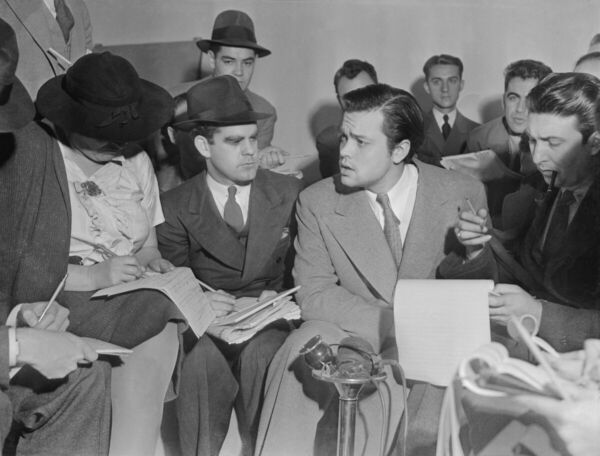
On the evening of October 30, 1938, a dramatic program aired on the Columbia Broadcasting System that would unexpectedly demonstrate just how powerful radio could be. The show was part of a weekly drama series called The Mercury Theatre on the Air, directed by a young actor and filmmaker named Orson Welles.
That night the program presented an adaptation of H. G. Wells’s science fiction novel The War of the Worlds. The original story, written in 1898, imagined an invasion of Earth by advanced Martian machines. Rather than presenting the tale as a traditional drama, the production used a format that mimicked live news reports interrupting ordinary programming.
The broadcast began with music from a fictional orchestra before suddenly shifting into breaking news bulletins. The announcer reported strange explosions observed on the surface of Mars and described an object crashing to Earth in rural New Jersey. As the program continued, actors portraying reporters and government officials described mysterious machines emerging from the crash site.
Listeners who tuned in late sometimes missed the introduction explaining that the program was a fictional drama. Without that context, the realistic style of the broadcast created the impression that the events were unfolding in real time.
During the broadcast one fictional reporter described the arrival of the alien machines in dramatic language.
“Something’s wriggling out of the shadow like a gray snake. Now it’s another one… and another.”
As the story progressed, the imagined invasion spread across the country. Reports described cities under attack, military forces responding to the threat, and civilians fleeing advancing Martian machines.
Although later studies suggested the scale of panic was smaller than early reports claimed, the broadcast did cause confusion among some listeners. Telephone lines were overwhelmed with calls from people asking whether the news reports were real.
Some listeners reportedly left their homes or attempted to contact local authorities for confirmation of the events being described on the radio.
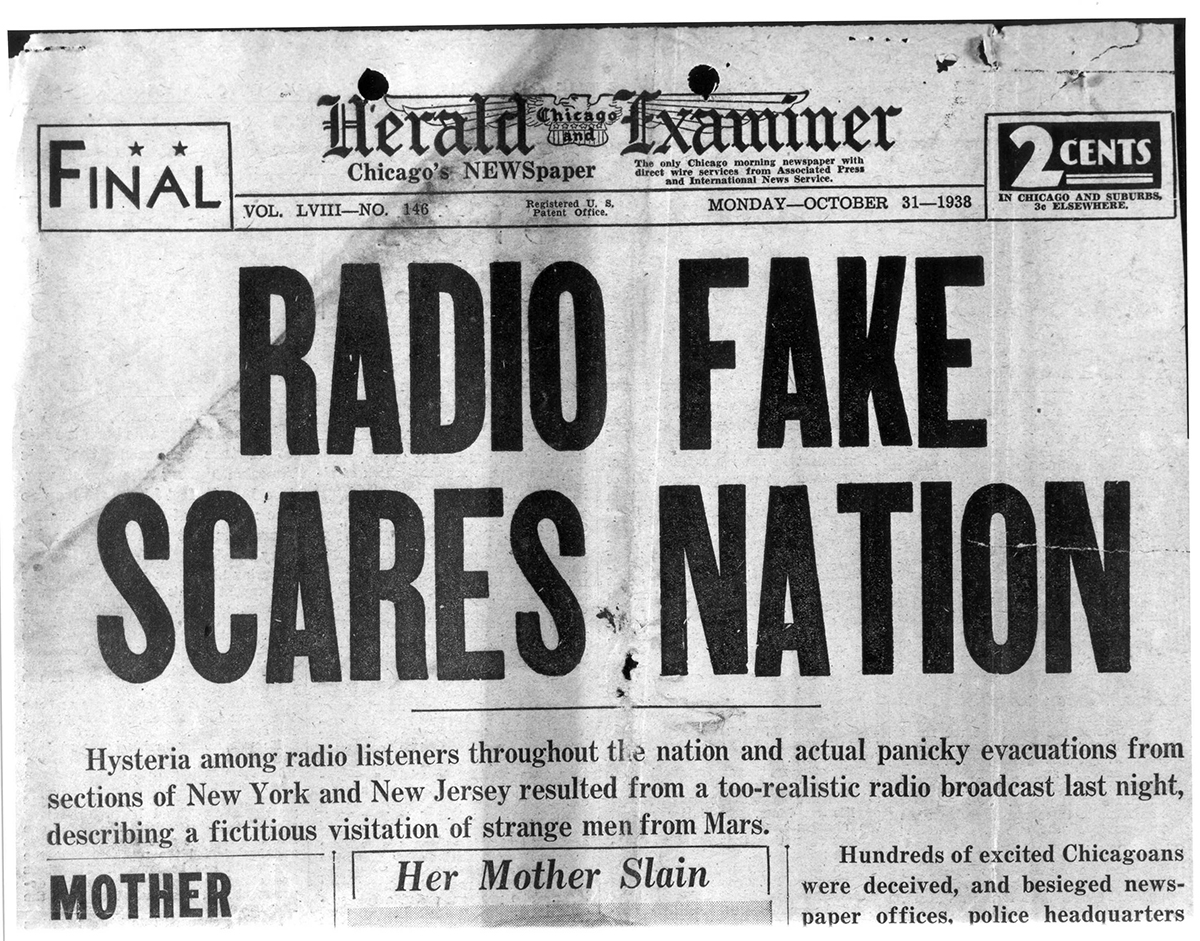
Newspapers the following day published dramatic headlines about the public reaction. The incident quickly became a topic of national discussion, raising questions about how media could influence public perception.
Orson Welles later commented on the unintended consequences of the broadcast.
“We were surprised by the reaction. It was meant to be entertainment.”
Despite the controversy, the program also demonstrated the creative possibilities of radio storytelling. The broadcast used sound effects, voice acting, and simulated news bulletins to create a powerful sense of realism that had rarely been attempted before.
In the years that followed, the War of the Worlds broadcast became one of the most frequently cited examples of media influence. Historians and communication researchers often discuss the event when examining how audiences interpret information delivered through mass media.
The story also marked an important moment in Orson Welles’s career. The attention surrounding the broadcast helped establish him as a major figure in entertainment, eventually leading to his work in cinema, including the famous film Citizen Kane.
Today the broadcast remains a fascinating reminder of how new technologies can shape public perception. In 1938 radio had the power to bring distant events directly into people’s homes, and the War of the Worlds program showed how easily storytelling could blur the line between fiction and reality.
Even decades later, the event continues to illustrate how audiences respond when dramatic narratives are presented in formats that resemble real news.