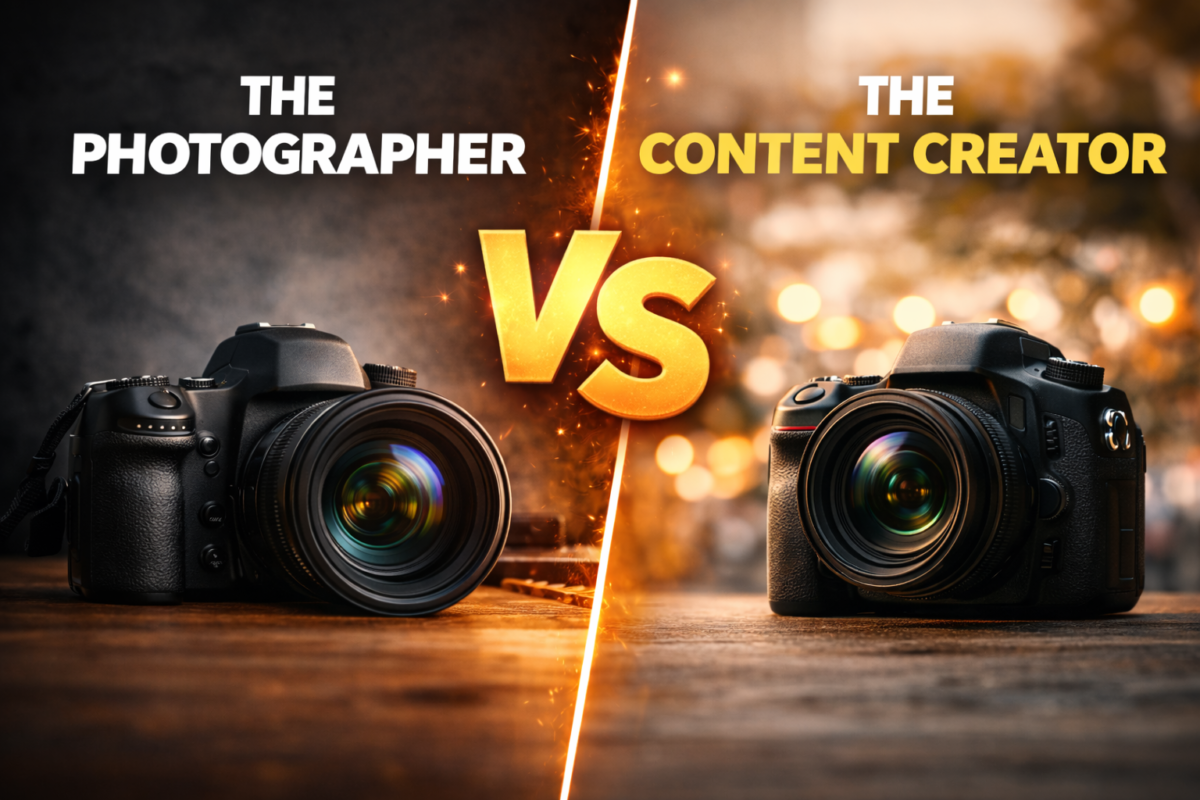
The language of photography is changing, and with it, the identity of those who use the camera. Terms that once carried clear meaning now overlap, often used interchangeably without much consideration. Among them, “photographer” and “content creator” are perhaps the most frequently confused, yet they represent fundamentally different approaches to image-making.
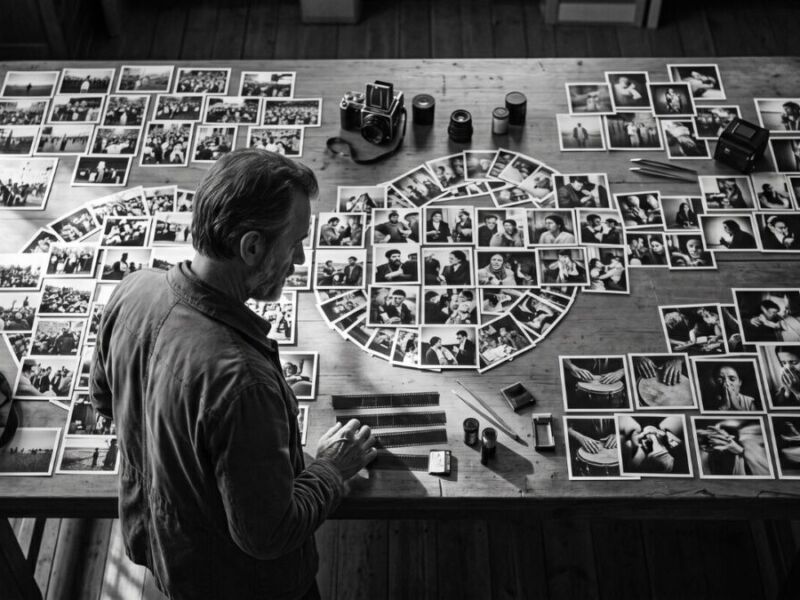
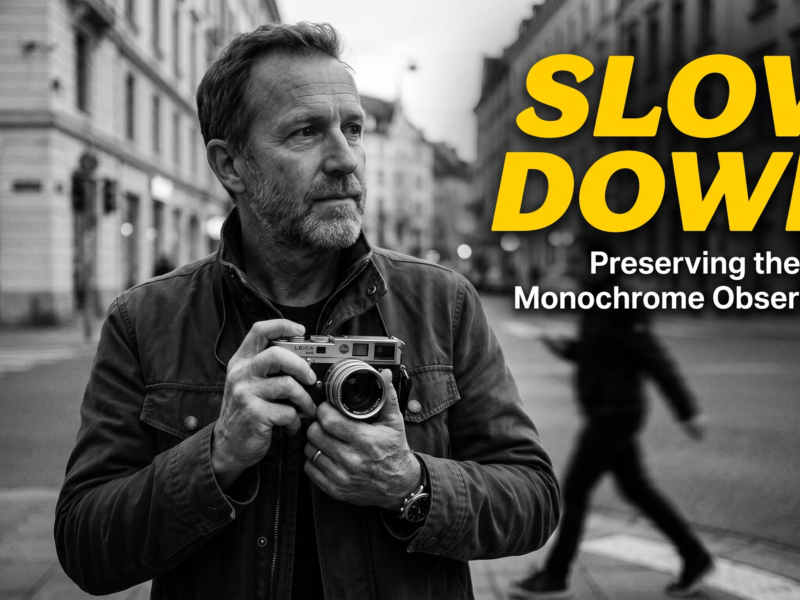
At the centre of this distinction lies intent. A photographer approaches an image as a response to something observed, felt, or understood. The process begins with attention rather than output. Time is spent in looking, in waiting, in allowing a moment to reveal itself before it is framed. The resulting photograph carries that process within it, even if it is not immediately visible. It reflects a relationship between the subject and the person behind the camera.
By contrast, a content creator operates within a different framework, one shaped by immediacy and continuity. The image is not always a response to a moment, but often part of a broader flow of communication. It is created to exist within a sequence, to maintain presence, to engage an audience that is constantly moving. In this context, the value of the image is closely tied to its performance, its ability to hold attention within a limited span of time.
This divergence in intent naturally leads to a difference in depth. Photographic work that emerges from observation tends to carry layers that extend beyond the surface. It invites the viewer to pause, to return, to consider. The meaning may not be immediate, but it unfolds over time. Such images are not designed for quick consumption, and as a result, they often resist it.
Content, on the other hand, is structured for speed. It is created to be understood quickly and replaced just as quickly. Its strength lies in its ability to adapt, to respond to trends, and to remain visible within a crowded digital space. This does not diminish its relevance, but it does define its lifespan. The image exists within a moment of attention rather than beyond it.
The growing influence of digital platforms has amplified this contrast. Visibility is now closely linked to frequency, and frequency encourages production. As more photographers enter this environment, many begin to adjust their process to match its demands. They shoot more often, edit more rapidly, and share more consistently. While this increases output, it can also reduce the time available for reflection, which is essential to developing a distinct visual voice.
Over time, this shift begins to affect not only the work itself but also the mindset behind it. When the primary objective becomes staying visible, the question of why an image is made can become secondary. The photograph risks becoming a unit of content rather than a considered expression. This is where the distinction between the two roles becomes most critical.
Photography, at its core, has always depended on selectivity. The strength of an image often lies in the decision not to take others. This discipline allows certain frames to stand apart, to carry weight and intention. Without it, the process becomes continuous, and continuity can dilute meaning. When everything is photographed, very little feels necessary.
Content creation, by contrast, thrives on continuity. Its effectiveness depends on regularity, on the ability to maintain an ongoing presence. It requires a different kind of discipline, one that values consistency over restraint. This is not inherently less meaningful, but it serves a different purpose. The challenge arises when the expectations of one approach are applied to the other without distinction.
The consequence of this overlap is a growing sense of confusion among image-makers. Many find themselves producing more work while feeling less connected to it. The pace of creation increases, but the clarity of intention diminishes. This is not a failure of skill, but a result of misalignment between purpose and practice.
Understanding the difference between being a photographer and being a content creator does not require choosing one over the other. It requires recognising the demands of each and approaching them with clarity. A photographer who chooses to engage with content platforms can do so without abandoning depth, provided the intention remains intact. Similarly, a content creator can produce meaningful work, but the framework in which that work exists will shape how it is perceived.
What matters is awareness. When the act of image-making is guided by a clear sense of purpose, the process becomes more stable. Decisions are no longer driven solely by external expectations, but by an internal understanding of what the work is meant to be. This clarity allows both approaches to coexist without conflict.
In the end, the distinction is not defined by the camera, the platform, or the audience. It is defined by the mindset brought to the act of photographing. Whether an image is made to explore, to understand, or to maintain visibility will determine its direction and its impact.
The tools may be the same, but the intention behind them changes everything.
Share this:
- Print (Opens in new window) Print
- Email a link to a friend (Opens in new window) Email
- Share on LinkedIn (Opens in new window) LinkedIn
- Share on Reddit (Opens in new window) Reddit
- Share on X (Opens in new window) X
- Share on Tumblr (Opens in new window) Tumblr
- Share on Pinterest (Opens in new window) Pinterest
- Share on Telegram (Opens in new window) Telegram
- Share on Threads (Opens in new window) Threads
- Share on WhatsApp (Opens in new window) WhatsApp
- Share on Mastodon (Opens in new window) Mastodon
- Share on Nextdoor (Opens in new window) Nextdoor
- Share on Bluesky (Opens in new window) Bluesky
Do you have an inspiring story or idea to share? Email us at [email protected]. We’d love to feature your work!